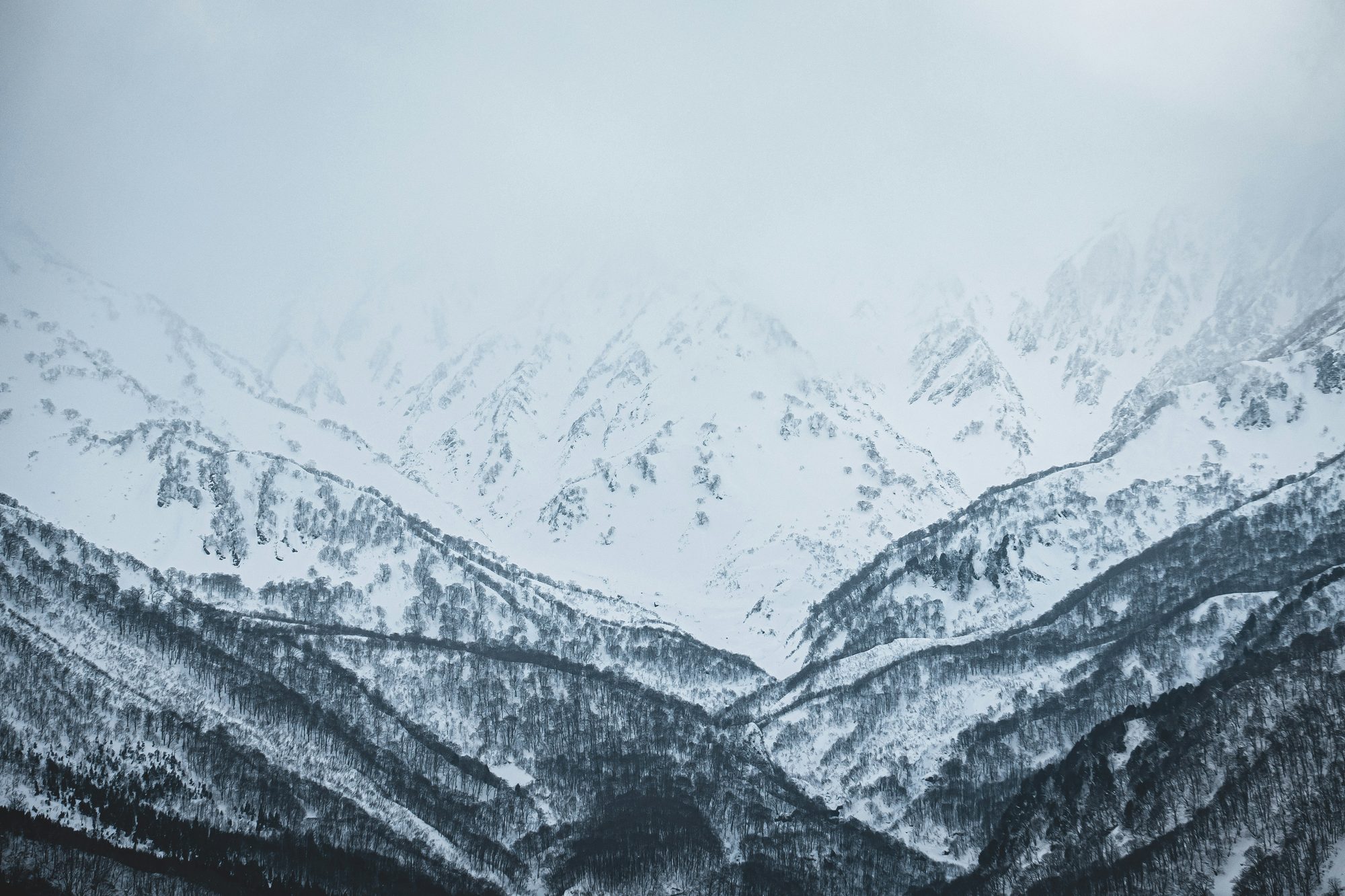
Hakuba Valley, Japan
Ten resorts, one pass, and the 1998 Olympic downhill — Japan’s biggest ski valley, three hours from Tokyo.
Hakuba Valley gathers ten resorts beneath the Japanese Alps on the one pass that hosted the 1998 Nagano Winter Olympics. Happo-One, the biggest and most famous, still opens the Olympic downhill and Super-G courses to the public. Combined, the valley offers around 117 km of piste, Japow tree skiing in Cortina and Hakuba 47, and a bullet-train-plus-bus journey from Tokyo of under four hours.
The ten resorts range from the steep, powder-rich Cortina (Japan, not Italy) to the gentle family slopes of Goryu and Tsugaike, all on a single Hakuba Valley pass. Happo-One is the centrepiece: the 1998 Olympic downhill course drops from 1,831 m with views of the Northern Alps that on a clear day are worth the trip alone.
Hakuba is more authentically Japanese than Niseko — fewer international visitors, more izakayas and soba shops than burger joints — but English is less widely spoken and the infrastructure, while improving, is older. The Jigokudani Snow Monkeys (about two hours away) make a memorable day trip.
Highlights
-
1998 Olympic courses
Happo-One’s downhill and Super-G runs — open to the public.
-
10 resorts, one pass
From powder bowls to family groomers, all on the Hakuba Valley ticket.
-
Tokyo access
Shinkansen to Nagano (80 min), bus to Hakuba (65 min) — under 4 hours door-to-door.
-
Snow Monkeys
Wild macaques bathing in hot springs at Jigokudani — a day trip from the valley.
Practical info
- Visa
- Visa-free for most Western nationalities (up to 90 days).
- Currency
- JPY (¥). Cash essential in many village shops — 7-Eleven ATMs accept foreign cards.
- Language
- Japanese. English limited outside ski schools and hotels.
- Safety
- Very safe; no patrol outside marked runs — rescue costs fall on the skier.
- Getting around
- Shinkansen to Nagano + bus. ~3–4h from Tokyo.
- Tap water
- Tap water safe.
- Plug type
- Type A 100V
- Money
- Cash widely needed; cards at hotels.
General guidance — visas, safety, and health change, so check your government's travel advisory and the official sources before you go.
Common questions
- When is the best time to ski Hakuba?
- January and February for the deepest, most consistent powder. The season runs early December to early May, but mid-winter is the sweet spot for cold temperatures and light Japow. Early January, after New Year crowds leave, is the quietest value window. See snow & season.
- How do you get to Hakuba from Tokyo?
- Shinkansen Tokyo–Nagano (~80–90 min, ~¥7,940), then Alpico bus Nagano–Hakuba (~65 min, ~¥2,200). Total about 3–4 hours door-to-door. Direct highway buses also run from Narita and Haneda. See getting there.
- Which Hakuba resort is best for beginners?
- Goryu and Tsugaike — both have wide, gentle slopes, dedicated children’s areas and English-speaking ski schools. Goryu links to Hakuba 47 on one pass, so beginners start gently and intermediates have room to grow.
- Is Hakuba cheaper than Niseko?
- Yes — significantly. Lift passes are similar in price, but accommodation, dining and nightlife cost less in Hakuba. A mid-range daily budget is roughly ¥31,000–¥34,000 vs ¥55,000+ in Niseko. See what it costs.
- Do Hakuba’s resorts link to each other?
- Not by piste. The ten resorts are separate ski areas spread along the valley. A free shuttle-bus network connects them, and the Hakuba Valley All-Mountain Pass covers all ten. Goryu and Hakuba 47 are the only pair linked on skis. See the ski area.
- Can you visit the Snow Monkeys from Hakuba?
- Yes — Jigokudani Monkey Park (wild macaques bathing in hot springs) is about two hours away by car or organised tour, making it a popular half- or full-day trip. See non-skiers.
- Is Hakuba good for families?
- Very. Goryu and Tsugaike are family specialists with gentle terrain, childcare from 8 months (Happo Kids Club) or age 2 (Goryu), and kids’ play areas. Under-6s ski free on the Hakuba Valley pass. See families.
The ski area
Ten resorts in one valley, on one pass
Hakuba Valley gathers ten separate ski areas beneath the Japanese Alps on a single all-mountain ticket — from the steep Olympic courses of Happo-One to the gentle family slopes of Goryu and Tsugaike.

The ten resorts are not linked by piste — only Goryu and Hakuba 47 connect on skis. You move between the rest on the free valley shuttle bus, which is efficient but not instant. This is a valley of distinct mountains, each with its own character, rather than one mega-circuit.
Happo-One is the biggest and most famous: the 1998 Olympic downhill and Super-G courses are open to the public, the views of the Northern Alps on a clear day are extraordinary, and the vertical is genuine. At the opposite end, Cortina (Japan — not the Italian one) is a powder legend, with ungroomed tree runs that draw serious skiers from across Asia.
| Resort | Base → top | Best for | Notes |
|---|---|---|---|
| Happo-One | 760 → 1,831 m | Intermediates, experts | The flagship — 1998 Olympic courses, biggest vertical, central location |
| Goryu / Hakuba 47 | 750 → 1,676 m | Beginners, families, cruisers | The only linked pair; Goryu is gentle, 47 adds steeper terrain and parks |
| Hakuba Cortina | 870 → 1,402 m | Powder, tree skiing | Legendary ungroomed tree runs — a powder day here is world-class |
| Tsugaike Kogen | 800 → 1,704 m | Beginners, families | Wide gentle slopes, kids’ play areas, multilingual ski school |
| Iwatake | 750 → 1,289 m | Views, intermediates | A panoramic resort with a mountain-terrace café |
| Kashimayari / Jiigatake / Norikura / Sanosaka | ~740–800 m | Quiet skiing, families | Smaller, uncrowded areas ideal for avoiding peak-day queues |
~200 runs across the valley. The Hakuba Valley All-Mountain Pass covers all 10 resorts. Nearby Moiwa is separate.
The bus system works but adds time. If you are staying in Happo Village and want Cortina’s tree skiing, that is a 30–40 min bus ride each way. Plan your days by resort, not by impulse.
Who it suits
Who Hakuba is — and isn’t — for
Ten resorts means ten personalities. Match the resort to the skier and Hakuba covers every level; pick wrong and you waste a day on the bus.
The valley’s range is its strength — but the resorts are spread out, so choosing where to ski (and stay) matters more than in a linked mega-area.
- First-timers & familiesSkipHappo-One’s steeper upper runs and Cortina’s ungroomed treesGoGoryu (gentle, linked to 47, childcare) and Tsugaike (wide, sunny, kids’ play areas)
- Cruising intermediatesSkipexpecting linked piste mileage between resortsGoHappo-One for the Olympic courses and views, Goryu/47 for variety, and a day at Iwatake for the panoramic terrace
- Powder & tree-skiing seekersSkipthe groomed-only resorts on a powder dayGoCortina for legendary tree runs, Happo-One’s upper steeps, and Hakuba 47’s side-country gates
- Budget skiersSkipNiseko’s international pricingGoHakuba for the same Japow quality at ~30% less on accommodation and dining, with a bullet-train link from Tokyo
If you want one seamless linked area you can ski without reading a bus schedule, Hakuba is not that. Its ten separate mountains reward skiers who plan by resort and are happy to ride a shuttle. The upside is variety — from Olympic steeps to family groomers — that no single-mountain resort can match.
Snow & season
Japow on Honshu — 6–8 metres from the Sea of Japan
Cold Siberian air crosses the Sea of Japan and dumps deep, dry powder across the valley — not as much as Hokkaido, but enough to make January and February exceptional.
Crimson bars are the snow-sure core and the crowd peaks. The quietest value week is early-to-mid January, after the New Year rush and before Chinese New Year — often the best powder window too.
Hakuba’s snowfall comes from the same Sea of Japan weather pattern that feeds Nozawa Onsen and the Myoko area — moist air hitting the 3,000 m Japanese Alps and dumping its load. The snow is not as absurdly deep as coastal Hokkaido, but it is dry, cold and consistent through January and February, with clear-sky intervals that give better bluebird days than Niseko sees.
March and April bring spring skiing on the upper slopes, softer snow and longer days. By late March the lower resorts thin out; Happo-One holds longest thanks to its altitude and north-facing terrain.
Lift passes
One pass for the whole valley — or single-resort tickets to save
The Hakuba Valley All-Mountain Pass unlocks all 10 resorts on a single ticket. Individual resort day passes cost less if you are staying put.
Most visitors buy the Hakuba Valley All-Mountain Pass, which covers every lift at all 10 resorts and the inter-resort shuttle. Multi-day passes have generous validity windows (e.g. a 5-day pass is valid within 10 days), so you can take a rest day without wasting a day of pass.
| Duration | Adult (13+) | Child (6–12) | Per day (adult) |
|---|---|---|---|
| 1 day | ¥11,100 | ¥6,400 | |
| 3 days | ¥32,200 | ¥18,100 | |
| 5 days | ¥53,400 | ¥29,700 | |
| 7 days | ¥74,500 | ¥41,700 |
Under-6: free. Senior rates available. IC keycard deposit ¥500 (refundable). 2026/27 published prices from hakubavalley.com. Individual resort day passes run ¥6,000–¥8,000 — cheaper if you are only skiing one area, but you lose the flexibility to hop between resorts.
The per-day cost barely drops after 3 days, so a 3-day pass is the value sweet spot for a short trip. For a full week, the 7-day pass saves only marginally vs buying 7 single days — the flexibility of the generous validity window is the real benefit.
Lessons & guides
English-speaking schools — book early in peak weeks
Hakuba has more English-speaking ski instruction than any Japanese valley outside Niseko — but native-English instructors sell out fast in peak season.
The main English-speaking schools are Evergreen International (Happo-One, well established, all levels), Central Snowsports (Happo-One, British-run), Hakuba 47 Ski Academy International and NBS Japan Snowsports. Japanese-language schools exist at every resort but rarely have English instructors — check before booking.
Private lessons are expensive but split across a family or a group of friends they become reasonable. A full-day private for 4 people at ¥110,000 is about ¥27,500 each — comparable to a European private. Book at least a month ahead for January–February peak weeks; English instructors are the bottleneck.
Lift passes and equipment hire are NOT included in lesson prices. Rent gear the night before from one of the Happo Village rental shops to save morning time.
Families & kids
From babies to first turns — where to leave the children and where to teach them
Hakuba’s family provision splits across resorts: Happo-One for childcare, Goryu and Tsugaike for learning slopes.
As in the European resorts, "childcare" means three different things: nursery/crèche (non-skiing, for babies and toddlers), snow play (a first taste of snow, not structured lessons) and ski-school lessons proper. Hakuba has all three, but not all in the same place.
| Option | Ages | Where |
|---|---|---|
| Happo Kids Club (nursery) | 8 months – 4 years | Happo-One base — non-skiing childcare, indoor play |
| Goryu Activity Centre | 2 – 6 years | Goryu base — snow play and indoor care |
| Ski-school group lessons | 3+ | Evergreen, Central Snowsports, Tsugaike school |
| Kids’ play / snow areas | All ages | Goryu, Tsugaike (Kids’ Trail), Jiigatake (snow tubing park) |
Best family bases: Goryu (gentle slopes, childcare from age 2, linked to 47) and Tsugaike (wide runs, multilingual ski school, kids’ play areas). Under-6s ski free on the Hakuba Valley pass.
The toilet-training rule applies here as in Europe: most ski-school programmes and childcare require children to be out of nappies. Babies and toddlers in nappies go to the Happo Kids Club nursery, which is set up for them.
Getting there
Three hours from Tokyo by bullet train and bus
Hakuba’s proximity to Tokyo is the draw for a long weekend — shinkansen to Nagano, bus to the valley, skis on by lunch.
The standard route is Hokuriku Shinkansen Tokyo–Nagano (~80–90 min, reserved seat ~¥7,940), then the Alpico bus from Nagano Station to Hakuba (~65 min, ~¥2,200). Total journey about 3–4 hours, no car needed. The bus drops you in Happo Village; hotel shuttles and the free valley bus connect from there.
Direct highway buses from Tokyo, Narita and Haneda are cheaper (~¥4,500–5,500) but slower (4–5 hours). The scenic Limited Express Azusa from Shinjuku runs direct to Hakuba in about 4 hours through beautiful mountain scenery, which is a pleasant alternative to the shinkansen if you have the time.
| From | To Hakuba | Notes |
|---|---|---|
| Tokyo (shinkansen + bus) | ~3–4 h | The standard route — fast, reliable, no car needed |
| Tokyo (direct highway bus) | ~4–5 h | Cheaper (~¥4,500–5,500); runs from Shinjuku, Narita, Haneda |
| Shinjuku (Ltd Express Azusa) | ~4 h | Direct train, scenic route through the mountains |
| Matsumoto | ~1.5 h | Small regional airport; limited flights |
Winter tyres/chains required for driving. The bus is the most popular option — no car needed in the valley thanks to the free shuttle network.
Where to stay
Three bases with different vibes — and true ski-in/ski-out is rare
Happo Village is the default. Wadano is for ski-in/ski-out. Echoland is for nightlife. Pick by what your evenings look like.
Happo Village is the main hub at the base of Happo-One — the most restaurants, bars and rental shops, walking distance to the main gondola. It is the default for good reason. Wadano (upper) offers some of the valley’s only genuine ski-in/ski-out access, near the Sakka lifts, in a quieter, more upmarket setting. Echoland is the strip between Happo and Goryu — the liveliest nightlife area, well connected by shuttle but not on the slopes.
Hakuba accommodation runs the full range: dorm beds from ~¥5,000/night, mid-range hotels and pensions ¥12,000–¥20,000, luxury chalets ¥50,000+. Ryokan (traditional inns) with onsen baths exist in the valley and add a Japanese dimension that chalets in the Alps don’t.
True ski-in/ski-out is rare in Hakuba. Most accommodation requires a 5–15 min walk or shuttle to a lift. If slopeside access matters, narrow your search to upper Wadano near the Sakka/Shirakaba lifts or the few lodges directly at Goryu’s base.
Après & dining
More izakaya than Ibiza — a gentler, more Japanese scene
Hakuba’s après is a few good bars and 200+ restaurants rather than the slopeside nightclub of an Ischgl or a St. Anton.
The scene is low-key by European standards. Hakuba Après at the Happo-One base is the closest thing to a slopeside party (Veuve Clicquot partnership, live music, slope views), and The Rabbit Hole in Wadano adds a pool table and live bands. Echoland has the densest strip of bars. But Hakuba’s real after-ski pleasure is dinner: izakayas serving yakitori and draught beer, soba shops, yakiniku grills, and ramen at prices that make a mountain-hut lunch in the Alps look like robbery.
Hokkaido specialities travel here too: look for sushi, katsu curry, and Nagano’s own soba noodles. A filling dinner out runs ¥2,000–¥4,000 per head at a neighbourhood izakaya — a fraction of what you would pay in Chamonix or Zermatt.
Non-skiers
Snow monkeys, castles and onsen — a strong off-slope list
Hakuba’s off-slope card is the same one that sells a winter trip to Japan generally: hot springs, cultural day trips and food that makes you forget you aren’t skiing.
~2 hours to Jigokudani Snow Monkeys
In the valley itself: onsen (hot springs) at many hotels and several public bathhouses, snowshoeing and cross-country skiing, fat biking, sake brewery visits, and snow rafting. The Japanese Alps backdrop is spectacular on clear days even from the village floor.
Day trips open up cultural Japan in a way that the Alps don’t: the snow monkeys, Matsumoto Castle, Zenko-ji temple in Nagano (30 min by train from Hakuba’s bus stop), and sake tastings in the Nagano region.
Dogs
Dogs are not welcome on the slopes
Japan is not a ski-with-your-dog country. No Hakuba resort allows dogs on its pistes or lifts.
Dogs are not allowed on ski slopes in Japan — this is the norm across all Hakuba Valley resorts, and the handful of Japanese resorts that make exceptions (Kurohime Kogen, a few Hokkaido areas) are not in Hakuba. Pet-friendly accommodation exists in the valley (some lodges and vacation rentals), but slope access is not on the table.
If you are bringing a dog to Japan: the country’s import quarantine requirements are stringent. A rabies vaccination, microchip, rabies antibody test (at least 180 days before arrival) and a pre-arrival notification to the Animal Quarantine Service are all required. This is a months-long process, not a last-minute decision.
For GB visitors: the post-Brexit Animal Health Certificate route used for EU travel does not apply to Japan. Japan has its own quarantine protocol, and it is considerably stricter and longer-lead than the EU one.
Accessibility
Limited adaptive skiing — contact resorts directly
Japan’s adaptive ski infrastructure is less developed than Europe or North America. Hakuba has some provision, but it requires advance planning.
No widely advertised adaptive ski programme operates across Hakuba Valley. Hakuba 47 offers accessible snowmobile experiences for visitors with mobility impairments, and individual ski schools may accommodate specific needs on request — but there is no equivalent of the established European sit-ski, dualski and guided-blind programmes.
Contact resorts and ski schools directly well in advance to discuss specific requirements. The language barrier is a factor: most adaptive-sports communication will need to be in Japanese or via a bilingual intermediary.
Safety & insurance
No patrol off-piste — and rescue costs fall on you
Japanese ski resorts patrol marked runs only. Step outside the ropes and you are on your own — and liable for the rescue bill.
This is the crucial difference from Europe: in France or Austria, ski patrol sweeps the whole marked domain and rescue is generally included in the lift pass or covered by a local add-on (Carré Neige, Tyrolean rescue). In Japan, patrol operates on marked runs only. Off-piste, backcountry gates and tree skiing are explicitly at your own risk, and rescue costs start at ¥100,000 for a basic callout — helicopter evacuations can exceed ¥500,000.
Helmets are strongly recommended (not legally mandatory). Standard Japanese health insurance does not cover tourists. Travel insurance with specific winter-sports and mountain-rescue cover is essential — check that it explicitly covers off-piste skiing and tree runs, which many standard policies exclude.
Foreigners account for the majority of off-piste rescue incidents in Hakuba. The resort gates and rope lines mark open/closed areas — ignoring them risks fines and the full rescue bill. If you want tree skiing, go with a guide or use the designated gates.
What it costs
What a day in Hakuba actually costs
Japan skiing is dramatically cheaper than the Alps. Here is the breakdown, so you can build your own number.
Here is the day-rate breakdown per person per day, so you can build your own budget.
| What | Typical day-rate | Notes |
|---|---|---|
| Lift pass (All-Mountain) | From a 7-day pass; single-resort day passes ¥6,000–¥8,000 | |
| Ski / board hire | 6-day rental split; cheaper booked online in advance | |
| Group lesson (adult) | Children’s group from ~¥4,000; book ahead for Jan–Feb | |
| Mountain lunch | Ramen, curry rice, udon — a fraction of a European mountain lunch | |
| Dinner out | Izakaya, soba shop, yakiniku — filling and excellent | |
| Bed for the night | Per person; ryokan with meals ~¥20,000–30,000 | |
| Tourist tax (Nagano Pref.) | From June 2026 for stays over ¥6,000; bathing tax ~¥150 at hot-spring lodgings | |
| Tokyo–Hakuba transport | One-way; highway bus ~¥5,000 |
Rates as of autumn 2026 (2026/27 season where published, 2025/26 where not). JPY amounts; approximate EUR at ~¥160/€. Set each season — re-check before you travel.
The lever that moves the number most: accommodation. A guesthouse at ¥5,000/night vs a hotel at ¥20,000 is a ¥15,000 daily swing. Eating at town izakayas instead of hotel restaurants saves another ¥2,000–3,000. Japan’s mountain food is excellent at every price level — cheap does not mean bad.
Compare Hakuba Valley, Japan
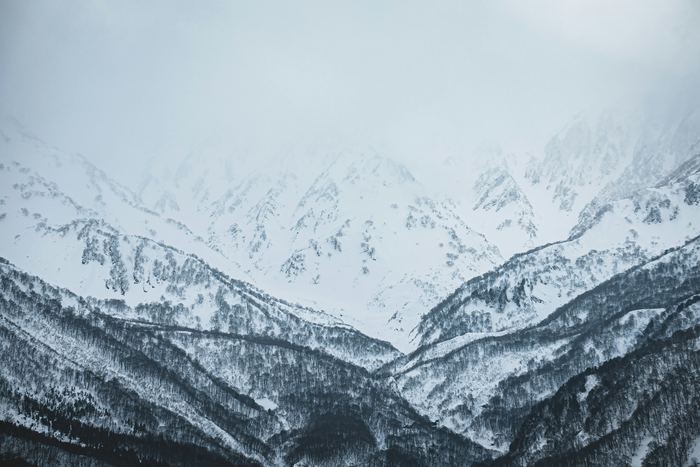
If you like Hakuba Valley, Japan, also consider
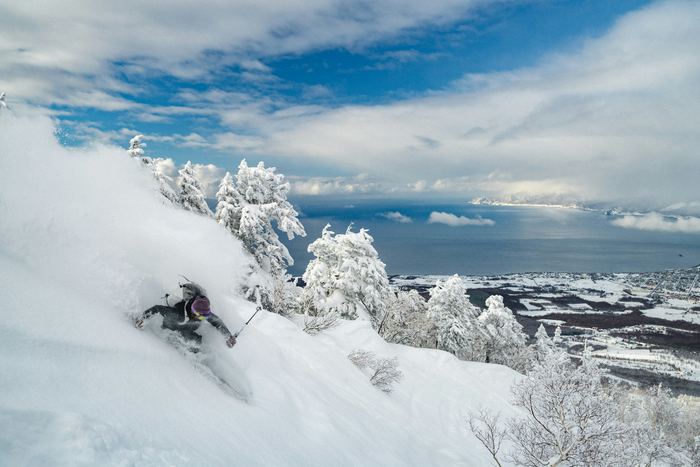
Niseko, Japan
The powder capital of Japan — 15 metres of dry Hokkaido snow and onsen after every run.
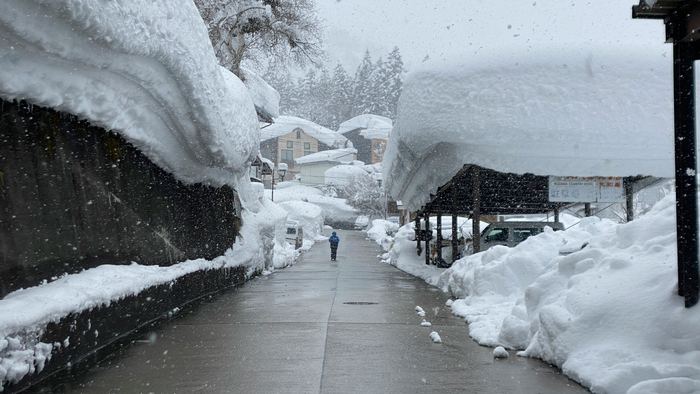
Nozawa Onsen, Japan
Thirteen free onsen, a fire festival, and 10 metres of powder — the anti-Niseko.
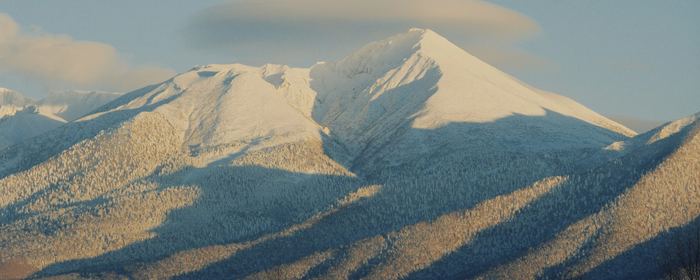
Furano, Japan
A real Hokkaido farming town with FIS World Cup piste, cheese, wine and the driest powder in Japan.
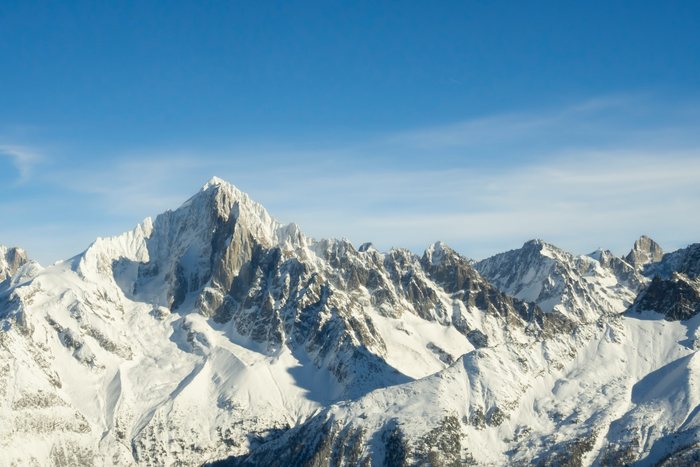
Chamonix, France
The birthplace of alpinism, under Mont Blanc.
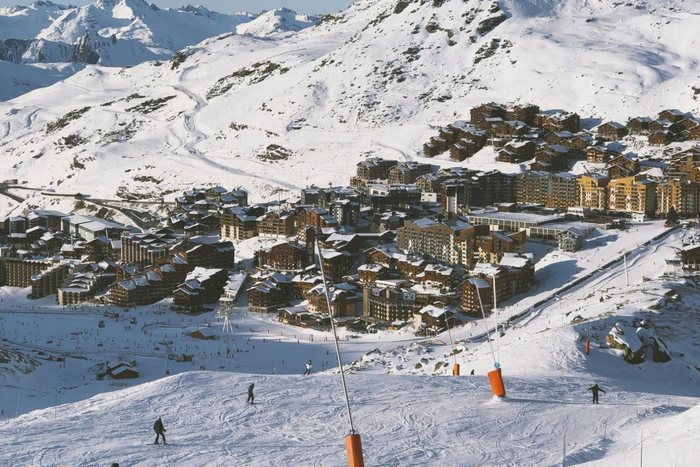
Val Thorens, France
Europe’s highest resort — snow-sure, and the gateway to the world’s largest linked ski area.
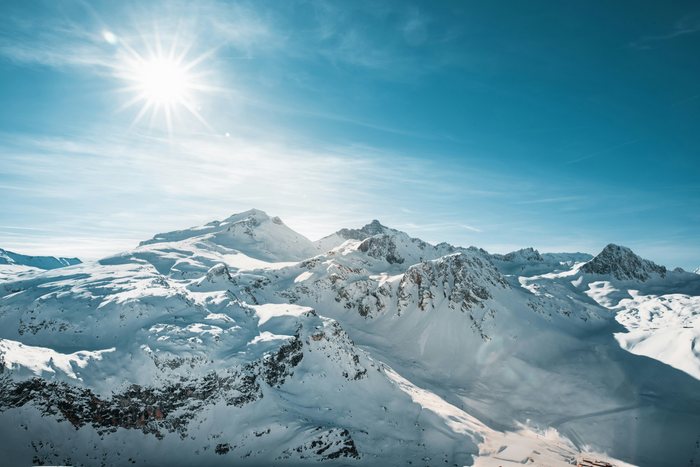
Val d’Isère, France
High-altitude, serious skiing with a village that actually feels like one.