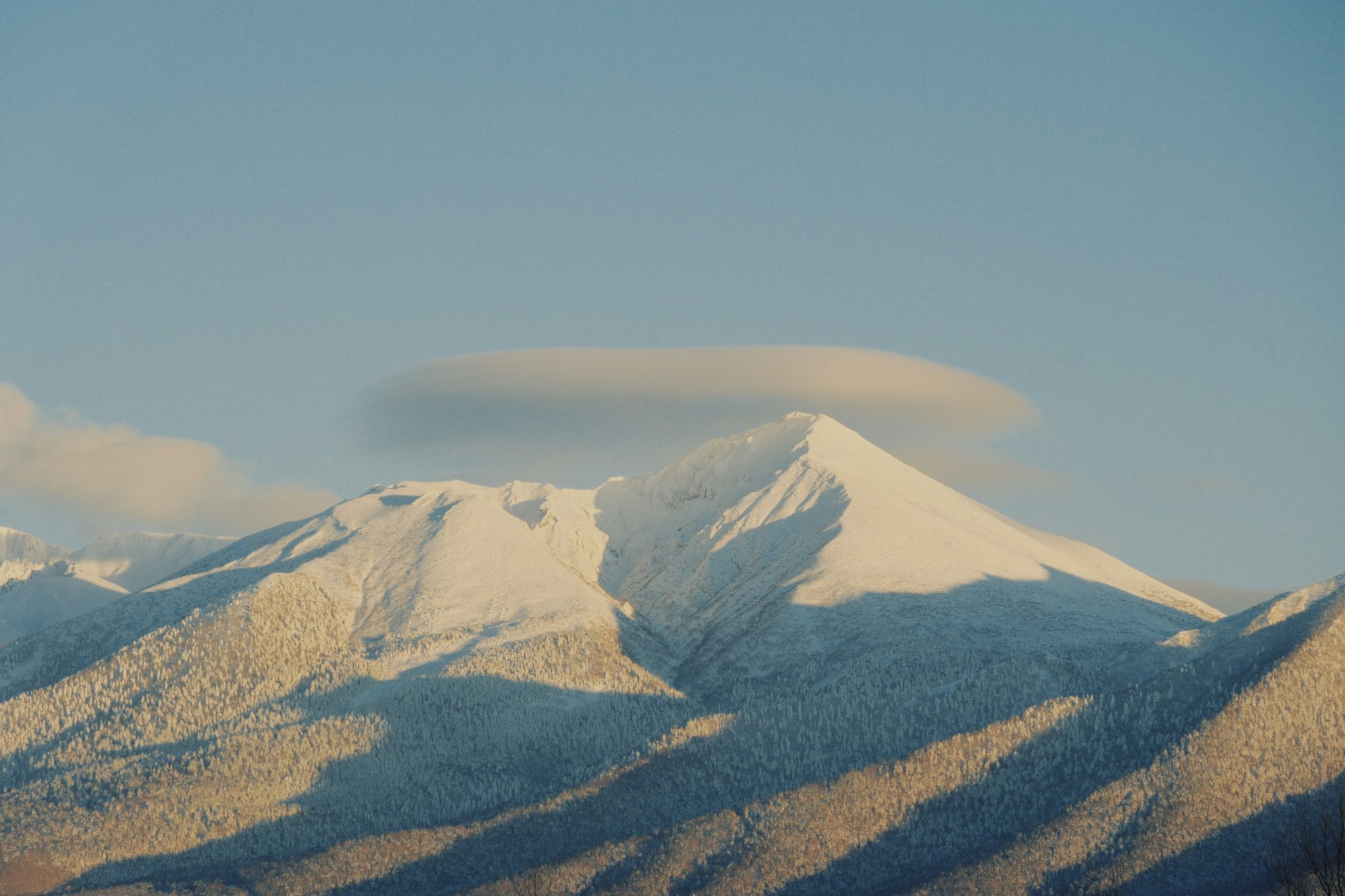
Furano, Japan
A real Hokkaido farming town with FIS World Cup piste, cheese, wine and the driest powder in Japan.
Furano is the uncrowded, authentically Japanese alternative to Niseko — a working agricultural town famous in summer for its lavender fields and in winter for 32 km of piste served by a gondola and ropeway, with some of the lightest, driest powder in Hokkaido. Children under 12 ski free, the local cheese and wine are real, and the town has hosted over a dozen FIS World Cup events since 1977.
The ski area splits into the Furano Zone (wider, gentler) and the Kitanomine Zone (steeper, with the FIS-homologated downhill course). Furano sits further inland than Niseko, which makes its powder colder and drier — fewer storm days but bluer skies and lighter snow. The New Furano Prince Hotel offers ski-in/ski-out, and the Ningle Terrace — a forest of illuminated craft cabins beside it — is one of Hokkaido’s most atmospheric non-ski experiences.
Limited English, modest nightlife and a smaller ski area mean Furano is not for those wanting an international resort experience. It is for skiers who want genuine Japan — a town that existed long before tourism, with ramen shops, izakayas, a city-owned winery and a cheese factory, at prices roughly 30% below Niseko.
Highlights
-
FIS World Cup piste
12+ World Cup events since 1977 — more than any other Japanese resort.
-
Dry inland powder
Colder than coastal Niseko, lighter and drier — with more bluebird days.
-
Ningle Terrace
Fifteen illuminated log-cabin craft workshops in a forest at dusk.
-
Free kids’ skiing
Under-12s get free lift tickets — one of the best family deals in Japan.
Practical info
- Visa
- Visa-free for most Western nationalities (up to 90 days).
- Currency
- JPY (¥). Cash essential — many town businesses are cash-only.
- Language
- Japanese. Very limited English.
- Safety
- Very safe; backcountry gates require registration.
- Getting around
- Asahikawa airport 1h by bus; Sapporo/CTS 2.5–3h.
- Tap water
- Tap water safe.
- Plug type
- Type A 100V
- Money
- Cash for most things; cards at the Prince Hotel.
General guidance — visas, safety, and health change, so check your government's travel advisory and the official sources before you go.
Common questions
- When is the best time to ski Furano?
- Mid-January to mid-February for the coldest, driest powder. Furano sits further inland than Niseko, so the snow is lighter and there are more bluebird days. The season runs late November to early May. See snow & season.
- How do you get to Furano?
- Fly to Asahikawa airport (AKJ), then take the Lavender bus (~1 hour, 7 runs daily). From Sapporo / New Chitose (CTS), it is 2.5–3 hours by Hokkaido Resort Liner or JR train. See getting there.
- Is Furano cheaper than Niseko?
- About 30% cheaper across the board — accommodation, dining and rentals all cost less. The day pass is ¥8,000 (vs ¥12,000–¥13,500 at Niseko United), and children under 12 ski free. See what it costs.
- Is Furano good for families?
- Excellent — free lift tickets for under-12s, two magic-carpet learning zones, the Furano Snow Kids Care centre (ages 1–5), and wide, gentle terrain. Far less crowded than Niseko. See families & kids.
- Is there much to do off the slopes?
- Yes — the Furano Cheese Factory, the city-owned Furano Wine winery, the illuminated Ningle Terrace craft village, onsen baths and snowmobiling. In summer the lavender fields at Farm Tomita are famous across Japan. See non-skiers.
- Do you need Japanese in Furano?
- It helps — English is limited outside the Prince Hotel and the ski school. Translation apps and basic phrases go a long way in the town’s restaurants and shops.
- Can you bring a dog to Furano?
- Dogs are not allowed on Furano’s ski slopes. Pet-friendly accommodation in the area is limited — check directly with lodgings before booking. See dogs.
The ski area
A two-zone FIS World Cup mountain with Hokkaido’s driest powder
Furano splits into two zones on a single mountain: the wider, gentler Furano Zone and the steeper Kitanomine Zone with its FIS-homologated downhill course. Between them, 32 km of piste, a gondola, a ropeway and the lightest inland powder in Hokkaido.

The Furano Zone (south-facing) has wider, more forgiving runs and the base ropeway — the better choice for families and intermediates. The Kitanomine Zone (north-facing) is steeper, with the gondola accessing the upper mountain and the FIS downhill course that has hosted 12+ World Cup events since 1977.
The two zones connect at the summit and share a single lift pass. The New Furano Prince Hotel sits between them with ski-in/ski-out access to both. Furano’s inland position — further from the Sea of Japan than Niseko — means colder air temperatures, drier snow crystals and more clear-sky days.
| Zone | Character | Lifts | Best for |
|---|---|---|---|
| Furano Zone | Wide, south-facing, gentler pitch | Ropeway + chairs | Families, intermediates, morning sun |
| Kitanomine Zone | Steeper, north-facing, FIS course | Gondola + chairs | Advanced skiers, powder, sustained vertical |
Both zones are on a single pass. Kitanomine opens later in the season (typically late December) and closes earlier (late March). Two magic-carpet zones at the base of each side are free to use.
Kamui Ski Links near Asahikawa (~45 min drive) is a worthwhile day trip — 24 km of uncrowded piste, a gondola, and even fewer people than Furano.
Who it suits
Who Furano is — and isn’t — for
Furano is the resort for skiers who want genuine Hokkaido powder without Niseko’s international prices and crowds. It is not the resort for those who want a big linked ski area or nightlife.
The core appeal: dry inland powder, no crowds, free kids’ skiing, and a real Japanese town with ramen shops, izakayas, a winery and a cheese factory — at prices roughly 30% below Niseko. The FIS downhill course gives advanced skiers a genuine challenge, and the backcountry gates access excellent tree runs.
- Families on a budgetSkipNiseko’s international pricingGoFurano — free under-12 lift tickets, dedicated childcare (ages 1–5), magic-carpet zones, and 30% cheaper across the board
- Powder chasers wanting bluebird daysSkipcoastal Niseko on a grey storm cycleGoFurano’s inland position — colder, drier snow and more clear-sky days than the coast
- Après-ski and nightlife seekersSkipFurano’s quiet eveningsGoNiseko (Hirafu) for bars and restaurants, or the European Alps for a proper après scene
- Big-mileage skiersSkipFurano’s 32 kmGoHakuba Valley (117 km, 10 resorts) or the Alps — Furano is compact, not vast
Furano’s honest pitch: it is smaller, quieter and more Japanese than Niseko, with less English spoken and less polished tourist infrastructure — but the snow is lighter, the mountain is emptier, and the daily spend is significantly lower.
Snow & season
Inland Hokkaido — colder, drier, bluer skies
Furano averages about 9 m of snow a year. The headline number is lower than Niseko’s 14–15 m, but the inland position makes the snow drier and lighter, and delivers more bluebird days between the storms.
Months on the axis run November–May. Crimson bars mark the snow-sure window and the main crowd peak. Furano’s inland climate gives fewer storm days but more clear-sky powder mornings than coastal Niseko.
The inland effect is the key to Furano’s snow character. Niseko sits closer to the Sea of Japan, so it gets more snow but also more cloud, wind and variable temperatures. Furano, 100+ km further inland, gets less total accumulation but colder air, lighter crystals and bluer skies — powder days with sunshine, rather than dumping in a whiteout.
December has the heaviest single-month snowfall (~264 cm), but January and February deliver the coldest temperatures and the driest, lightest powder. By March the Kitanomine Zone closes, but the Furano Zone runs through to early May on spring snow.
Lift passes
Simple pricing — and children ski free
Furano runs a straightforward pass system with three seasons (early, regular, spring) and no dynamic pricing. The headline: children 12 and under ski free.
The free-under-12 policy is among the most generous in Japan — Niseko charges full child rates from age 4 and Hakuba from age 6. For a family of four with two children, the saving over a week is substantial: the lift-pass cost for the whole family is simply two adult passes.
| Pass | Adult | Senior (60+) | Notes |
|---|---|---|---|
| 1-day regular (Dec 6 – Mar 22) | ¥7,500 | The core season — no peak surcharge | |
| 1-day early / spring | ¥6,000 | Before Dec 6 and after Mar 22 | |
| 5-hour regular | ¥6,700 | Good for a half-day or late start | |
| 3-hour regular | ¥5,900 | Enough for a morning or afternoon session | |
| Season pass | ¥67,000 | Primary school ¥3,000 — but under-12s already ski free |
Children 12 and under: free — collect a ticket at any lift office. Seibu Prince Club members get ~¥6,600 for a 1-day adult. IC keycard fee applies on first purchase. All prices 2025/26 season.
A Seibu Prince membership is free to join online and knocks ~¥1,400 off each adult day pass — worth doing before you go.
Lessons & guides
Pre-book English — instructors are limited
Furano has fewer English-speaking instructors than Niseko or Hakuba. The two main schools are Furano Snow School (Sportpia) and Furano International Snowsports School — book early.
The honest situation: Furano’s English-speaking instruction is adequate but thin compared to Niseko, where multiple large schools compete. If English-language lessons are essential, book months in advance; if Japanese is fine, walk-up availability is usually good.
| Lesson | Duration | Price (JPY) | Notes |
|---|---|---|---|
| Group adult | 2 hours | Min. 2 people; longer options to ¥32,000 | |
| Private (1 person) | 1 hour | Up to ¥149,000 for 3 full days; max 6 people per booking | |
| Children group | Morning or afternoon | Ages 6–12; smaller groups than adults | |
| Children private | 1 hour+ | From age 3 — the only option for very young children |
Prices from spfurano.com, 2025/26 season. Lift pass and rental gear are NOT included. Book English-speaking instructors as far ahead as possible — availability is limited.
Families & kids
Free kids’ skiing, dedicated childcare, gentle terrain
Free lift tickets for under-12s, a staffed childcare centre from age 1, two magic-carpet learning zones and wide, uncrowded slopes make Furano one of Japan’s best family ski resorts.
The Furano Snow Kids Care centre near the Kitanomine Gondola takes children aged 1–5 for half or full days, with certified staff, indoor play areas and supervised outdoor snow activities. Pre-booking is strongly recommended — spaces are limited.
For older children, the wide, gentle runs of the Furano Zone are ideal for building confidence, and the magic-carpet areas at both zone bases provide a safe, free learning environment before committing to the slopes. The lack of crowds — even in peak season — is a genuine family advantage over Niseko.
Getting there
Asahikawa is closest — Sapporo is the alternative
Two airports serve Furano: Asahikawa (AKJ) is closer (~1 hour), New Chitose / Sapporo (CTS) is bigger (~2.5–3 hours).
Most international visitors fly into New Chitose (CTS) near Sapporo and take the direct Hokkaido Resort Liner bus (2.5–3 hours, 4 departures daily). If you can find a domestic connection to Asahikawa (AKJ), the Lavender bus cuts the transfer to about an hour.
| Route | Time | Cost | Notes |
|---|---|---|---|
| Asahikawa (AKJ) → Lavender Bus | Varies | 7 departures daily; no reservation needed; domestic flights from Tokyo Haneda | |
| CTS / Sapporo → Hokkaido Resort Liner | ¥4,000–¥5,000 | 4 departures daily; direct bus, no changes | |
| JR train via Sapporo → Takikawa → Furano | Varies | Scenic but requires a connection at Takikawa or Asahikawa | |
| Asahikawa → JR Furano Line | Roughly hourly | Useful if arriving by domestic flight to AKJ |
From 2027, a new Aoi Hoshi sightseeing train will run Asahikawa–Furano (~¥5,000). Car rental is an option — winter tyres are mandatory.
Where to stay
The Prince Hotel or the town — two different experiences
The New Furano Prince Hotel is ski-in/ski-out with onsen, restaurants and the Ningle Terrace on its doorstep. Furano town (10–15 min away) is cheaper, more authentically Japanese, and has the izakayas and ramen shops.
The Prince Hotel (407 rooms, ¥15,000–¥60,000/night) is the obvious choice for convenience — direct slope access, multiple restaurants, an onsen bath, and the Ningle Terrace craft village right beside it. The more basic Furano Prince Hotel sits nearby at a lower price point.
In Furano town, pensions and guesthouses run from ¥8,000/night and offer a more local experience — small, family-run, with Japanese-style meals and the town’s restaurants and bars within walking distance. Budget hostels start around ¥4,000–¥6,000.
Furano town is a real agricultural centre, not a purpose-built resort village — the evening atmosphere is izakayas and local shops, not an international après scene.
Après & dining
Cheese, wine, ramen and a forest of craft cabins
Furano’s food story is not about restaurants — it’s about a real farming town that produces its own cheese, wine and dairy, surrounded by Hokkaido’s extraordinary agricultural bounty.
The Furano Wine House sits on a hilltop above the town, serving local produce with Furano wine and a famous cheese fondue in a hollowed biscuit bowl, with views across the Tokachi mountains. The city-owned Furano Wine winery (est. 1972) is one of Hokkaido’s oldest, producing cold-climate wines from locally grown grapes.
The Furano Cheese Factory makes camembert and a unique Wine Cheddar — the only cheese in Japan made with wine. Cheese-making workshops and a pizza restaurant using the factory’s own cheese are open to visitors.
Ningle Terrace is not a restaurant but deserves a mention: 15 small log-cabin workshops in a forest beside the Prince Hotel, selling handmade candles, glass, leather goods and silver. Illuminated at dusk, it is one of Hokkaido’s most atmospheric non-ski experiences.
The nightlife is quiet — a handful of izakayas and bars in town. This is the anti-Niseko: authentic Hokkaido rather than an international scene.
Non-skiers
Cheese, wine, craft and onsen — a full day without skiing
Furano’s non-ski appeal is built on its agricultural identity: factory visits, workshops, onsen, and the Ningle Terrace.
Furano Cheese Factory: cheese-making workshops, pizza restaurant, free tastings. Furano Wine Factory: tours, tastings and a nearby grape-juice factory. Ningle Terrace: 15 craft workshops in an illuminated forest — candle-making, silverwork, leather. Onsen: several hotels offer hot-spring baths (indoor and outdoor). Snowmobiling and snow rafting at Furano Snowland.
In summer, the lavender fields at Farm Tomita (peak July) are famous across Japan — worth noting if you plan a return visit outside the ski season.
Dogs
Not on the slopes
Dogs are not permitted on Furano’s ski runs or lifts.
Japan does not have a widespread culture of dogs on ski slopes. Furano has no specific dog-friendly policy on the mountain, and pet-friendly accommodation in the area is limited. If you are travelling with a dog, check directly with your chosen lodging before booking.
Accessibility
No dedicated adaptive programme
Furano does not advertise a formal adaptive skiing programme.
The resort has wheelchair-accessible paths and parking at the base areas. Japan’s adaptive skiing infrastructure is less developed than Europe or North America — no sit-ski or visually impaired instruction was found in English-language sources. Contact the resort directly for specific needs.
Safety & insurance
On-piste patrol, off-piste at your own cost
Furano has ski patrol on marked runs. Outside the boundaries, you ski at your own risk — and your own expense.
Furano has designated backcountry gates with registration protocols. Skiers must register before going through the gates and follow all posted rules. Travel insurance with winter sports and mountain rescue cover is essential — Japan’s national health insurance does not cover tourists, and rescue bills fall on the individual.
Standard Japanese hospitals require upfront payment or proof of insurance. Carry your policy details on the mountain.
What it costs
¥15,000–¥30,000 a day — about 30% less than Niseko
Furano’s daily cost is among the lowest of any quality ski resort in the developed world. Free kids’ skiing and modest accommodation prices keep the family bill down.
~¥22,000/day per person, mid-range budget
The value comparison with Niseko is stark: Niseko United charges ¥12,000–¥13,500/day for adults and full child rates from age 4. Furano charges ¥8,000 and lets under-12s ski free. Accommodation in Furano town runs 30–50% below Niseko’s international pricing, and a bowl of ramen in town is ¥1,000 versus ¥1,500+ in Hirafu.
The Hokkaido Accommodation Tax took effect 1 April 2026. Furano’s combined rate (municipal + prefectural) is: ¥300/night for stays under ¥20,000, ¥500 for ¥20,000–¥49,999, and ¥1,000 for ¥50,000+.
| Item | Budget (¥) | Mid-range (¥) | Notes |
|---|---|---|---|
| Lift pass | 6,500–8,000 | Early/spring vs. regular season; free for under-12s | |
| Equipment hire | 3,000–4,000 | Town rental shops cheaper than slope-side | |
| Lessons (group, per session) | — | Not every day; private from ¥17,000/hr | |
| Food & drink | 2,000–3,000 | Ramen ~¥1,000; Wine House lunch ~¥2,500–4,000 | |
| Accommodation | 4,000–8,000 | Town guesthouse vs. Prince Hotel | |
| Tourist tax | 200–300 | Hokkaido tax from April 2026; tiered by room rate |
All prices in JPY, 2025/26 season. EUR conversion at ~¥160 = €1. Budget daily total: ~¥15,000–¥18,000 (~€95–€115). Mid-range: ~¥25,000–¥30,000 (~€155–€190). The free under-12 lift pass is the standout family saving.
Compare Furano, Japan
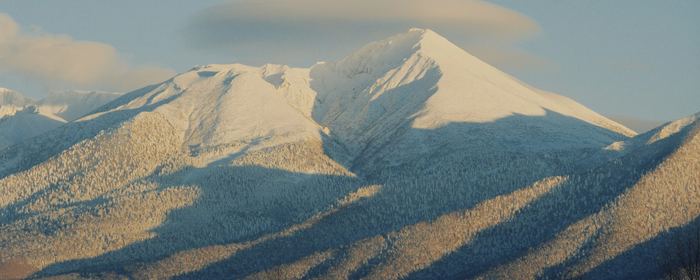
If you like Furano, Japan, also consider
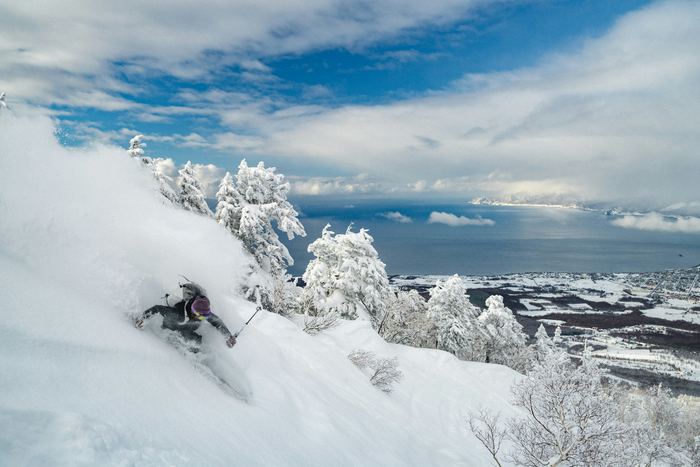
Niseko, Japan
The powder capital of Japan — 15 metres of dry Hokkaido snow and onsen after every run.
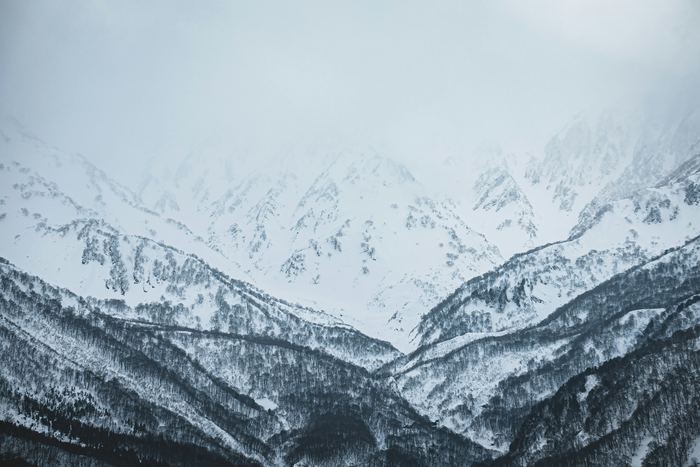
Hakuba Valley, Japan
Ten resorts, one pass, and the 1998 Olympic downhill — Japan’s biggest ski valley, three hours from Tokyo.
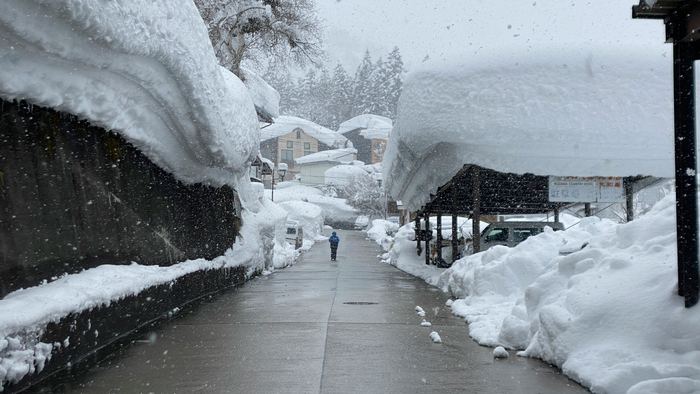
Nozawa Onsen, Japan
Thirteen free onsen, a fire festival, and 10 metres of powder — the anti-Niseko.
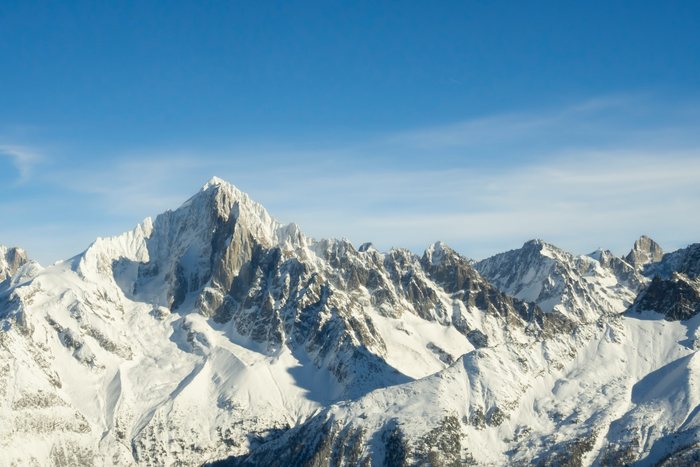
Chamonix, France
The birthplace of alpinism, under Mont Blanc.
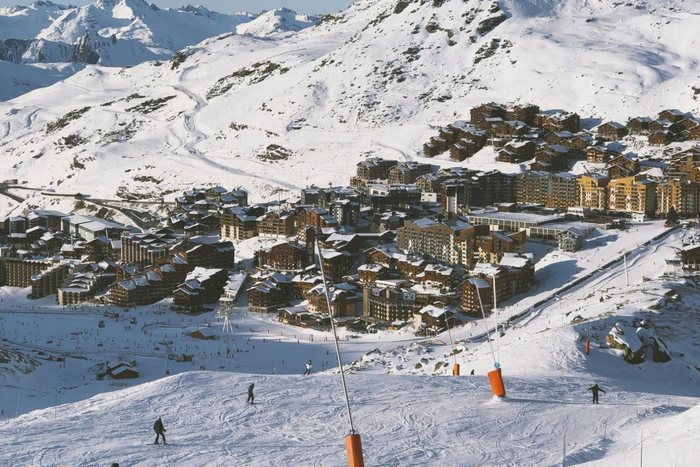
Val Thorens, France
Europe’s highest resort — snow-sure, and the gateway to the world’s largest linked ski area.
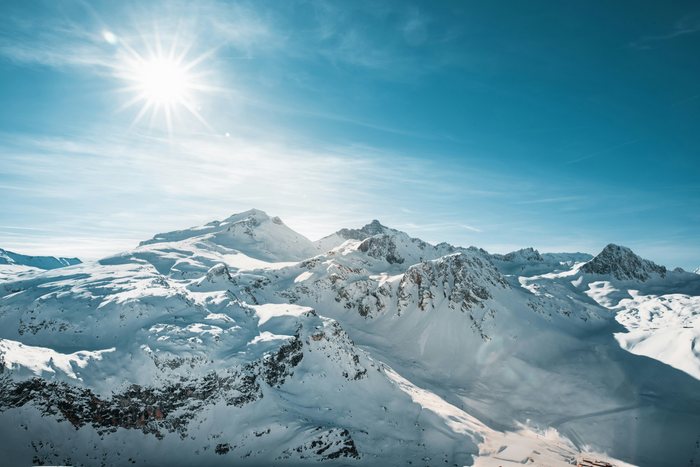
Val d’Isère, France
High-altitude, serious skiing with a village that actually feels like one.