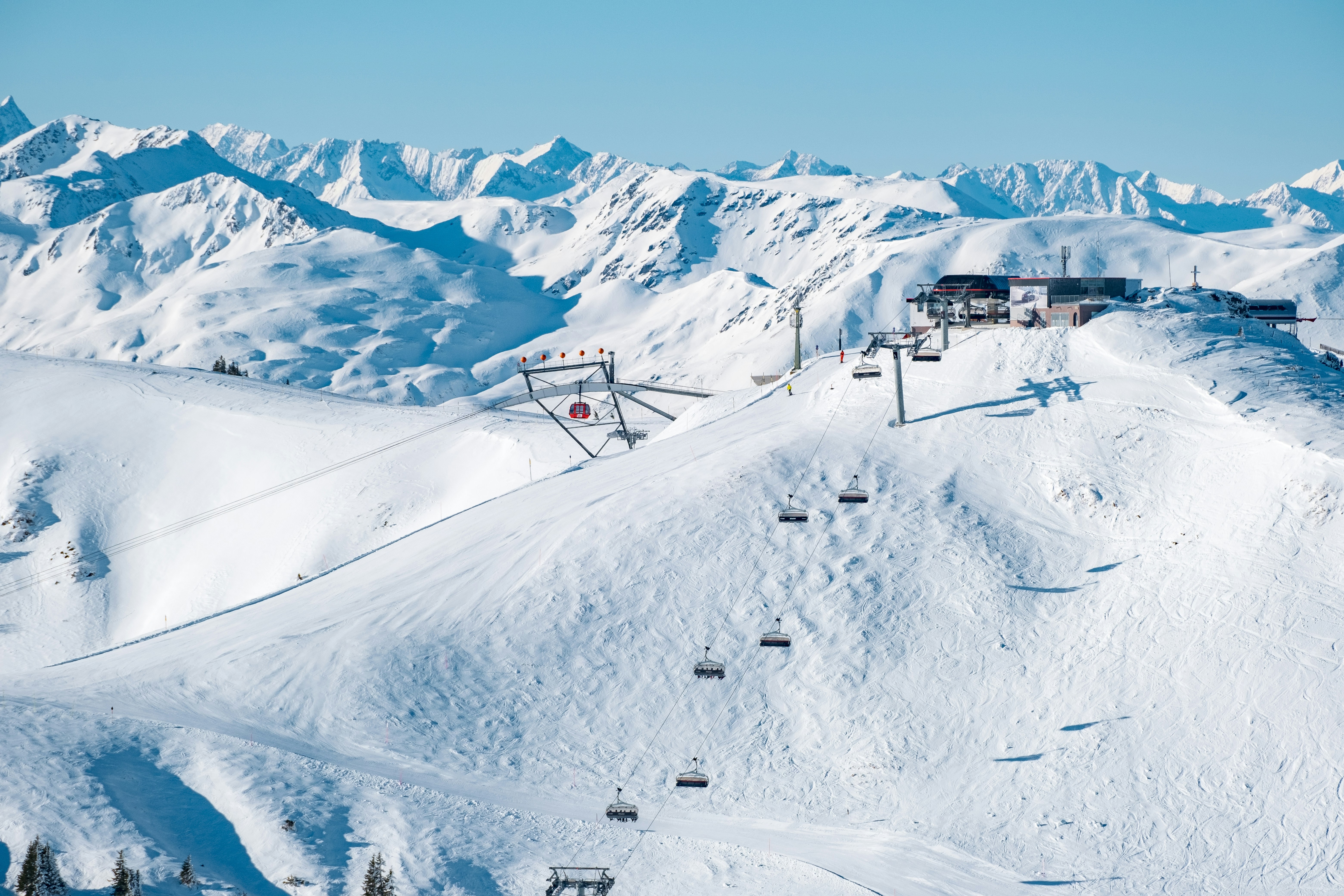
Kitzbühel, Austria
A medieval town with a World Cup downhill and 800 years of alpine charm.
Kitzbühel is two things at once: a picture-book medieval Altstadt of painted facades and cobbled lanes, and a serious ski resort whose Hahnenkamm Streif is the most famous downhill course on earth. The skiing is broad (233 km, 57 lifts), the town is beautiful year-round, and the Streif is a public black piste you can actually ski outside race week.
KitzSki’s terrain sweeps from the Hahnenkamm across to Kirchberg, Jochberg and Pass Thurn, with the separate Kitzbüheler Horn adding a panoramic sector to the north-east. At 800 m, the town sits low for the Alps — but 1,260 snow cannons cover 90% of the pistes, and KitzSki is the first non-glacier resort to offer an official snow guarantee backed by snow farming.
It is not the highest or steepest, and late-season natural snow is a gamble. What Kitzbühel has that purpose-built rivals cannot manufacture is a real, living 800-year-old town — the kind of place that draws visitors who never clip into a ski.
Highlights
-
Hahnenkamm Streif
The most famous downhill in skiing — a public black piste with the Mausefall jump.
-
Medieval Altstadt
800-year-old painted facades, upscale boutiques and cobbled lanes.
-
AllStarCard
2,750+ km and 900+ lifts across Tirol and Salzburg on one pass.
-
Kirchberg
Same ski area, same lifts, 30–40% cheaper accommodation.
Practical info
- Visa
- Schengen — visa-free for most Western passports (90 days).
- Currency
- EUR (€)
- Language
- German. English widely spoken.
- Safety
- Very safe; the Streif demands strong skiing and good conditions.
- Getting around
- Three train stations in the resort; about 80 min from Salzburg airport.
- Tap water
- Tap water safe.
- Plug type
- Type C Type F 230V
- Money
- Cards everywhere.
General guidance — visas, safety, and health change, so check your government's travel advisory and the official sources before you go.
Common questions
- Can you actually ski the Streif?
- Yes — outside race week the Hahnenkamm Streif is a marked black piste open to the public. It is genuinely steep and often icy (the Mausefalle drops ~40 m, the Steilhang is over 85% gradient in places), so strong advanced or expert skiing is required, but you can ride down the same course the World Cup racers use. See who it suits.
- Is Kitzbühel good for beginners?
- Better than its racing reputation suggests. There are 10 free valley practice lifts with magic carpets at the base, 97 km of blue runs (52% of the domain), and 8 named children's areas. The gentle Rasmusleiten and Hausleiten areas are ideal for first-timers. Kirchberg, on the same ski area, is quieter and 30–40% cheaper. See families & kids.
- What is the AllStarCard?
- A regional lift pass covering 2,750+ km of piste and 900+ lifts across the Kitzbüheler Alpen, including KitzSki, SkiWelt Wilder Kaiser-Brixental (261 km), Skicircus Saalbach (270 km), Schneewinkel and more — one of the biggest lift-pass networks in the Alps. See lift passes.
- Is Kitzbühel snow-sure despite the low altitude?
- More than you would expect. The town sits at just 800 m, but 1,260+ snow guns cover ~90% of the pistes, 43 GPS-guided groomers maintain the surface, and Kitzbühel is the first non-glacier resort in the Alps to offer an official snow guarantee — farming ~25,000 m³ of stored snow for the early season. See snow & season.
- How does Kitzbühel compare to St. Anton for après-ski?
- Different register. St. Anton is beer-table dancing at the Mooserwirt; Kitzbühel is champagne bars in a medieval Altstadt — more sophisticated, more evening-focused, with Michelin-starred restaurants alongside lively venues like The Londoner and Seidlalm. It is glamorous rather than raucous. See après & dining.
- Is Kirchberg a good budget alternative?
- Yes — it is on the same KitzSki ski area, 6 km from Kitzbühel, with its own lifts into the Hahnenkamm–Pengelstein sector, and accommodation runs 30–40% cheaper than Kitzbühel proper. The trade-off is a quieter village and less of the medieval-town atmosphere. See where to stay.
- Can you bring a dog to Kitzbühel?
- To the town, yes; onto the pistes, no. Dogs are not permitted on ski slopes in Austria, and must be kept on a short lead at all times in the resort. Several mountain restaurants welcome dogs (Hahnenkamm Stuberl, Berghaus Tirol), and pet-friendly hotels are available. GB visitors need an Animal Health Certificate. See dogs.
The ski area
A charming low-altitude giant with world-class snowmaking
KitzSki wraps around the medieval town in two main sectors — the famous Hahnenkamm on one side, the Kitzbüheler Horn on the other — with 233 km of piste at an altitude that shouldn't work, but does.

The ski area divides into two main sectors that do not connect by piste: the large Hahnenkamm–Pengelstein–Kirchberg area to the south-west, and the smaller Kitzbüheler Horn to the north-east. You ride between them by free ski bus or by skiing down to the valley and riding a different lift back up — a minor inconvenience for an area this size, and most people spend full days in the Hahnenkamm sector anyway.
The Hahnenkamm side is where the skiing lives: a web of high-speed chairs and gondolas linking the Hahnenkamm (1,712 m), Pengelstein (1,938 m) and Kirchberg sectors, with continuous cruising that takes in the KitzSkiWelt Tour — an 88 km circuit with 17,232 m of cumulative elevation. The Kitzbüheler Horn (1,996 m) is separate, smaller and quieter — good for a half-day or when the main area is crowded. Jochberg and Pass Thurn extend the network south towards the Salzburg border, with north-facing runs that hold snow well.
| Sector | Top altitude | Best for | Notes |
|---|---|---|---|
| Hahnenkamm | 1,712 m | All levels, the Streif | Main access from town via Hahnenkammbahn; the World Cup course and the heart of the area |
| Pengelstein | 1,938 m | Intermediates, cruising | Connected to Hahnenkamm; long reds and the link to Kirchberg — the highest point on this side |
| Kirchberg | ~1,700 m | Families, value | Same ski area, own village, 30–40% cheaper accommodation; direct access into the Pengelstein sector |
| Kitzbüheler Horn | 1,996 m | Quieter days, panorama | Separate sector — the town's highest point; smaller, less crowded, with good views |
| Jochberg–Pass Thurn | ~1,750 m | Intermediates, snow-sure | South extension towards Salzburg; north-facing slopes hold snow well; links to Resterhöhe |
Run breakdown: 46 blue (97 km), 32 red (67 km), 18 black (21 km) plus ~45 km of ungroomed ski routes. About 40 mountain restaurants serve the area. Skiresort.de rates KitzSki 4.9 out of 5.
The altitude is the elephant in the room. At 800 m to 2,000 m, KitzSki is lower than almost every major rival. But the snowmaking is industrial-grade — 1,260+ snow guns, 90% coverage, 10 water reservoirs, 43 GPS-guided groomers — and the north-facing Streif holds natural snow better than the numbers suggest.
Who it suits
Who Kitzbühel is — and isn't — for
Match the sector to the skier and Kitzbühel has something for everyone, from total beginners on free lifts to experts on the Streif. Get it wrong and a nervous novice ends up on a race course.
The terrain profile tells the story: 52% blue, 29% red, 9% black plus those ski routes — it is an intermediate's paradise with expert seasoning. The Streif is genuine (you will feel the ice), but the area's DNA is long, well-groomed cruising through traditional Tyrolean scenery, not extreme alpine terrain. If you want steep, serious off-piste, St. Anton is the better choice; if you want vast linked mileage with a beautiful town at the bottom, Kitzbühel wins.
- First-timers & nervous beginnersSkipanything above the Hahnenkamm mid-stationGoThe 10 free valley practice lifts (Rasmusleiten, Hausleiten, Mocking) with magic carpets — genuinely free, no pass needed — then the gentle blues of the Pengelstein sector
- Cruising intermediatesSkipthe Kitzbüheler Horn if you want distanceGoThe KitzSkiWelt Tour (88 km circuit) and the vast Hahnenkamm–Pengelstein–Kirchberg network — or step up to the AllStarCard for 2,750+ km across the Kitzbüheler Alpen
- Advanced & expertsSkipthe nursery slopesGoThe Streif (Mausefalle, Steilhang, Hausbergkante), the ski routes off Pengelstein, and the 45+ km of ungroomed terrain; during Hahnenkamm race week, the atmosphere is electric
- Non-skiers & culture seekersSkipresorts where the village is just a car parkGoKitzbühel's 800-year-old Altstadt is a destination in its own right — painted facades, upscale boutiques, Michelin-starred restaurants, the Aquarena spa, and panoramic gondola rides
Kitzbühel's real selling point isn't any single run — it is the combination of good skiing, a genuine medieval town, strong gastronomy, and easy rail access. That makes it the best ski resort for people who want more than skiing.
Snow & season
Low but loud — the snowmaking that defies the altitude
At 800 m, Kitzbühel has no right to be snow-sure. The €50 million-plus snowmaking system disagrees.
Months on the axis (11 = November, 12 = December). Crimson bars are the crowd peaks and the value windows. Hahnenkamm race week (typically mid-to-late January) is the single busiest week of the season — the town transforms into a spectator event and prices spike.
The honest truth: Kitzbühel's natural snowfall averages around 242 cm a year — modest by Alpine standards — and the town sits at just 800 m, where rain is a real risk in warm spells. What saves it is the snowmaking infrastructure: 1,260+ snow guns, 10 water reservoirs, 43 GPS-guided groomers, and a new cooling-tower system at Seidlalmseen that doubles snow production speed on the Streif. The north-facing Streif course itself holds natural snow better than most of the area.
The snow-farming programme stores ~25,000 m³ of snow under insulating foil and sawdust through the summer, deployed for early-season opening — making Kitzbühel the first non-glacier resort in the Alps with an official snow guarantee. The system works: the area opens reliably in early November and runs to mid-April, and the piste surface is typically excellent even when natural cover is thin.
If you are coming specifically for powder rather than groomed piste, Kitzbühel is not the first choice — the altitude is too low and the snow too manufactured. But for piste skiing on a well-maintained surface, the snowmaking genuinely delivers.
Lift passes
Four price tiers — and a regional mega-pass
KitzSki uses seasonal pricing with four tiers from Super Saver to Premium. The AllStarCard unlocks 2,750+ km if you want to ski beyond Kitzbühel.
The KitzSki pass covers all 233 km and 57 lifts of the Kitzbühel–Kirchberg area. It uses four seasonal tiers: Super Saver (cheapest, early/late season), Saver, Standard, and Premium (21 Dec–14 Mar, the most expensive). The jump between cheapest and dearest is about 20%.
For broader exploration, the AllStarCard covers the entire Kitzbüheler Alpen — 2,750+ km of piste and 900+ lifts, including SkiWelt Wilder Kaiser-Brixental (261 km), Skicircus Saalbach (270 km), Schneewinkel (110 km) and more. It can cost less than the KitzSki pass for the same number of days, making it excellent value if you have a car or want variety.
| Pass | Duration | Adult (Premium) | Adult (Super Saver) |
|---|---|---|---|
| KitzSki | 1 day | €66 | |
| KitzSki | 6 days | €336 | |
| KitzSki child (born 2010–2019) | 6 days | €168 | |
| KitzSki senior (65+) | 1 day | ~€49.50 | |
| AllStarCard | 6 days | — | |
| KitzSki season pass | Full season | — |
Children born 2020 and later ski free with proof of age (effectively under 6 for 2025/26). Youth (born 2007–2009) pay roughly 75% of the adult rate. The 10 free valley practice lifts need no pass at all. FamilySkiWeeks (early Dec, late Mar) let children up to 15 ski free. A day-or-longer lift pass gives 50% off Aquarena admission. Photo ID required for passes of 8+ days. A €5 chip-card deposit applies.
The free practice lifts are the standout family deal: Rasmusleiten, Mocking, Pulverturm, Hausleiten, Pass Thurn and Aschau are all usable without buying a pass — genuinely free first days on snow before committing to a lift pass.
Lessons & guides
18 ski schools and the chance to race the Streif
Kitzbühel has more ski schools per kilometre of piste than almost anywhere in Austria. The two flagships are the traditional Rote Teufel and the boutique element3.
The Rote Teufel (Red Devils) is Kitzbühel's original ski school, based at Josef-Herold-Straße with a large children's area and several magic carpets. Group adult lessons run about €85 per day; kids' Kinderland is €60 per day (ages 3+), with lunch supervision available for €9. Private lessons cost €130–€150 per hour depending on season.
element3 is the boutique alternative: based at Klostergasse 8 with the Kiddies Kinderland at Hotel Rasmushof, groups capped at 6, rated 4.9/5. Private lessons from €70–195 per day. Other notable schools include Snowsports Kitzbühel, Alpin Experts in Jochberg, Mountain Experience, and Ski & Rennschule Klabacher — the last offers racing experiences on the Streif course itself.
Multi-lingual instruction is standard — Kitzbühel is an international resort and English-speaking instructors are widely available across most schools. Book well ahead for Hahnenkamm race week and February half-term.
Families & kids
Free lifts, free ski weeks, and 8 children's areas
The combination of 10 free practice lifts, FamilySkiWeeks where under-15s ski free, and 8 dedicated children's areas makes Kitzbühel one of the more family-friendly options in Austria — despite the glamorous reputation.
Start with what is free: 10 valley practice lifts at no cost (Rasmusleiten, Mocking, Pulverturm, Hausleiten, Pass Thurn, Aschau) with magic carpets. Children born 2020 and later ride all lifts free. During FamilySkiWeeks (typically early December and late March), children up to 15 ski free when an adult buys a pass. That is a genuine saving.
| Option | Ages | What it is |
|---|---|---|
| Non-skiing childcare | 1–3 | Half and full-day care — the route for children still in nappies |
| Kitzi's Kinderland (element3) | 3+ | At the Ganslern chairlift, magic carpet, obstacle course, groups of max 6 |
| Rote Teufel Kinderland | 3+ | Large children's area with several magic carpets; €60/day with optional lunch supervision (€9) |
| Bobo children's area | 3+ | At Hausleiten tow lift; magic carpet, childcare during lunch |
| Bären Land & Family Park | All ages | Obstacle course and family terrain features |
Standard Austrian rule: ski schools require children to be toilet-trained (typically age 3+). Children in nappies go to the non-skiing childcare, not ski school. The 3.8 km toboggan run at Gaisberg (Kirchberg side) has night runs — a good family evening.
Kirchberg is the better family base if budget matters: same ski area, own lifts, quieter village, and 30–40% cheaper accommodation. The trade-off is less of the medieval-town charm and a shorter walk to fewer restaurants.
Getting there
Three train stations — and Salzburg is 80 minutes away
Kitzbühel has its own mainline railway with three stations, one of them directly at the Hahnenkamm gondola. That rail access is a genuine advantage.
The town sits between Innsbruck and Salzburg on the ÖBB rail network, with three stops: Kitzbühel Hauptbahnhof (10 min from the centre), Kitzbühel Hahnenkamm (directly at the Hahnenkammbahn gondola — step off the train and onto the lift), and Kitzbühel Schwarzsee (near the lake, 2 min from the Hahnenkamm station). From Innsbruck it is about 1h10 by train with one change at Wörgl; from Salzburg about 2 hours.
The nearest airports are Salzburg (~80 min transfer), Innsbruck (~90 min) and Munich (~2 hours). Munich has the most international flights; Salzburg is closest. A seasonal direct train from Munich Ost runs in winter (Urlaubs Express). ÖBB Nightjet overnight services reach Kitzbühel too. Six regional bus routes connect Aurach, Jochberg, Reith and the wider valley.
| From | To Kitzbühel | Notes |
|---|---|---|
| Salzburg airport | ~80 min | Closest airport; transfer or train via Wörgl |
| Innsbruck airport | ~90 min | Train ~1h10 with one change at Wörgl |
| Munich airport | ~2 hours | Most flights; seasonal Urlaubs Express direct train from Munich Ost |
| Innsbruck, by train | ~1h 10 min | ÖBB regional, change at Wörgl; hourly services |
| Salzburg, by train | ~2 hours | Direct trains possible |
Driving in winter: snow tyres are required November to April in Austria. The Kitzbühel Hahnenkamm station is the skier's pick — literally at the gondola base, no bus or walk needed.
Where to stay
Medieval Altstadt or budget Kirchberg — same ski area, different prices
The choice is between Kitzbühel's beautiful but expensive centre and Kirchberg's cheaper, quieter alternative on the same mountain.
Central Kitzbühel (the Altstadt) is the obvious pick: 800-year-old painted facades, cobbled pedestrianised streets, upscale boutiques, and a walk to the Hahnenkammbahn. Accommodation ranges from apartments around €100–180 per night to luxury hotels at €300–900+, with a solid mid-range between €180–300. The premium hotels include Grand Tirolia (5-star), Schlosshotel Kitzbühel A-ROSA (5-star), Hotel Tennerhof and the historic Schwarzer Adler.
Kirchberg in Tirol, 6 km west, is on the same KitzSki area with its own lifts into the Pengelstein sector, and accommodation runs 30–40% cheaper than Kitzbühel proper. It is a real village rather than a resort and has its own restaurants and bars, but less of the medieval glamour. The smart move for families and intermediates who will spend most of their time on the Hahnenkamm–Pengelstein runs anyway.
Hahnenkamm race week (mid-to-late January) roughly doubles accommodation prices and fills the town. If you want the atmosphere, book months ahead; if you want value, avoid that specific week.
Après & dining
Champagne bars and a Michelin star, not beer-table dancing
Kitzbühel's après is more sophisticated than raucous — an 800-year-old town that eats and drinks well rather than a slope that parties hard.
On the mountain, Seidlalm (on the Streif itself) sets the tone: sunny terrace, retro interior, live DJs, crispy snacks and currywurst — lively but not rowdy. Sonnenrast near the Fleckalmbahn has house music on weekends. Legenden Café next to the Hahnenkammbahn is the pre-and-post meeting point. Hofalm in Jochberg and Affenstadl at Pass Thurn offer quieter mountain alternatives.
In town, The Londoner is the icon — celebrating its 50th anniversary in 2026, with live DJs and international acts. Pavillon, opposite the Hahnenkammbahn, has daily après with trendy cocktails. Stamperl hosts legendary parties, Club Take Five runs late into the night, and Casa Jondal (the Ibiza beach club returning for winter) brings Mediterranean flair.
On the plate: Berggericht in the Hinterstadt holds a Michelin star with its Tyrolean Feast set menu. Zuma (Bichlstraße 5) earned a Michelin Plate in 2025. Mocking das Wirtshaus at the foot of the Streif has a Bib Gourmand two years running. Mountain lunch runs about €15–25 for a pork schnitzel or Kaiserschmarrn; dinner in town €25–50 mid-range, €80+ for fine dining.
During Hahnenkamm race week the town transforms: massive spectator atmosphere, celebrity sightings, parties everywhere, and prices that reflect it. If you come for the racing, the atmosphere is unique in world skiing.
Non-skiers
An 800-year-old town that works without skis
Kitzbühel's non-ski offering isn't a consolation prize — the medieval Altstadt, the Aquarena, and the panoramic gondola rides are reasons to come in their own right.
800 years of Kitzbühel's medieval Altstadt
The Aquarena is the centrepiece: swimming pools, stone-oven sauna, aroma sauna, steam baths, infrared lounge and a Snowroom at −5 to −10°C. Lift-pass holders get 50% off admission. Beyond that: 70 prepared winter walks, snowshoeing, ice skating (outdoor and indoor rinks), a 3.8 km toboggan run at Gaisberg with night runs, panoramic gondola rides for non-skiers, wheelchair curling, and sleigh rides. Non-skiers can ride the Hahnenkammbahn, Hornbahn, Fleckalmbahn or Panoramabahn for Alpine views without skiing.
The Aquarena discount (50% off with a day-or-longer lift pass) works for non-skiers too if they buy even a one-day pedestrian lift ticket. It is the cheapest spa day in the valley.
Dogs
Welcome in the valley, banned from the pistes
Kitzbühel is a dog-friendly town — but Austrian piste rules are strict, and British dogs need paperwork.
On the mountain: dogs are not permitted on ski pistes in Austria. They must be kept on a short lead at all times in the resort, and dog faeces must be collected and disposed of. That is the law, not a local preference.
In the town and valley, dogs are welcome on lead. Hahnenkamm Stuberl (5 min from the Hahnenkamm summit, dogs inside and out) and Berghaus Tirol (on slope 36, water bowls provided) are dog-friendly mountain restaurants. Centro Café in the town centre allows dogs. Pet-friendly hotels and apartments are available throughout the Kitzbühel district, and winter hiking trails are open to leashed dogs.
GB → Austria paperwork (gov.uk): the old pet passport no longer works for British dogs. You need an Animal Health Certificate, a microchip, and a rabies vaccination given at least 21 full days before travel; the AHC is valid 10 days for entry into the EU. Tapeworm treatment is required for some EU countries but check current Austrian requirements. Pack paw balm — grit and salt are hard on paws.
Accessibility
Monoski-friendly with accessible gondolas
KitzSki is officially recognised as monoski-friendly — a distinction not many Austrian resorts hold — with adapted boarding on modern lifts.
Four gondolas are wheelchair and pushchair accessible: Hahnenkammbahn, Hornbahn I & II, Fleckalmbahn, and Panoramabahn Kitzbüheler Alpen. Staff assist boarding. Monoskiers can use modern gondolas and adapted chairlifts largely independently — KitzSki has invested in boarding solutions that make this practical.
The town helps too: three accessible train stations, wide walkways, short distances, accessible parking, clear signage, modern restroom facilities (10 wheelchair-accessible WCs at resort stations), and wheelchairs available for rental at mountain stations. The Schwarzsee lake is accessible by train, bus, bike path or car, with wide flat paths around it.
Wheelchair curling is available in Kitzbühel — one of the few ski towns that offers it. Specific disabled-pass discounts are not confirmed from available sources; contact kitzski.at directly for current policy.
Safety
The Streif is real, and mountain rescue isn't free
Kitzbühel is gentler than St. Anton or Chamonix, but the Streif is a genuine expert piste, and Austrian mountain rescue comes with a bill.
The Streif is not a theme-park experience: it is a marked black piste with gradients up to 85%, the Mausefalle drop of ~40 m, and a surface that is often icy (north-facing, race-prepared). It is closed during race week. Public skiers can and do hurt themselves on it — ski it only if you are a confident advanced or expert skier comfortable on ice.
On insurance: a standard travel policy usually excludes winter sports. Your EHIC/GHIC covers EU/EEA emergency hospital treatment but not mountain rescue, helicopter rescue or repatriation — and Austrian mountain rescue (Bergrettung Tirol) is not free. Helicopter rescue can cost €3,500–10,000+. The Austrian ÖAMTC Schutzbrief covers up to €10,000 in helicopter rescue. Full ski and travel insurance with mountain rescue cover is essential.
Unlike some French resorts, the KitzSki lift pass does not include piste rescue insurance. Arrange your own cover before you travel. Off-piste skiing should only be undertaken with appropriate avalanche equipment and ideally with a guide.
What it costs
What a day in Kitzbühel actually costs
A mid-range Kitzbühel day runs €120–€230 per person — or 30–40% less if you base in Kirchberg on the same ski area.
Here is the day-rate breakdown, so you can build your own number rather than trust a package headline. Everything is per person per day unless noted.
| What | Typical day-rate | Notes |
|---|---|---|
| Lift pass — KitzSki (from 6-day) | €56–€68 | Super Saver to Premium tier; child roughly half |
| Lift pass — AllStarCard (from 6-day) | ~€44 | 2,750+ km for less than KitzSki alone — the value pick with a car |
| Ski / board hire | €19–€27 | Economy to superior, per day from a 6-day online booking |
| Group lesson (adult) | €60–€85 | Per day; Rote Teufel or element3 |
| Private lesson | €130–€150 / hour | Rote Teufel; full day (5 hrs) about €500 |
| Mountain lunch | €15–€25 | Pork schnitzel ~€15, Kaiserschmarrn ~€10; veal schnitzel €25–35 at premium huts |
| Dinner out | €25–€50 mid-range · €80+ fine dining | Per head in town |
| Bed for the night | €100–€180 budget · €180–€300 mid-range · €300+ luxury | In Kitzbühel; Kirchberg runs 30–40% cheaper across all tiers |
| Tourist tax (Ortstaxe) | €3.50 per night | Per person; children may be exempt |
| Airport transfer (Salzburg) | €80–€130 one-way | Shared or private; Munich €150–250 |
Rates read autumn 2026 (2025/26 season). They are set each season — buy passes online in advance and re-check before you travel. Hahnenkamm race week (mid-to-late January) spikes accommodation and sometimes transfer prices. FamilySkiWeeks (early Dec, late Mar) let children up to 15 ski free, cutting the family bill significantly.
The levers that move the number most: base in Kirchberg instead of Kitzbühel (30–40% off accommodation); buy the AllStarCard instead of the KitzSki pass (often cheaper for the same days); travel in the Super Saver tier (early/late season); and use the free practice lifts for the first days rather than buying passes immediately.
Compare Kitzbühel, Austria
If you like Kitzbühel, Austria, also consider
St. Anton am Arlberg, Austria
The birthplace of ski instruction and Austria’s most legendary off-piste.
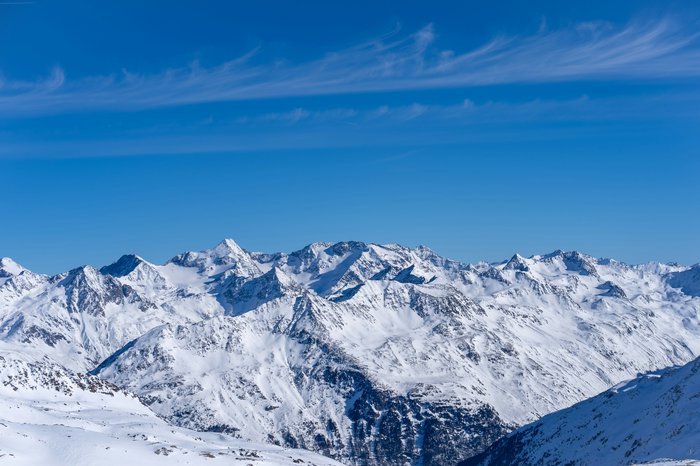
Sölden, Austria
Two glaciers, three 3,000 m peaks, a James Bond villain’s lair and the World Cup opener.
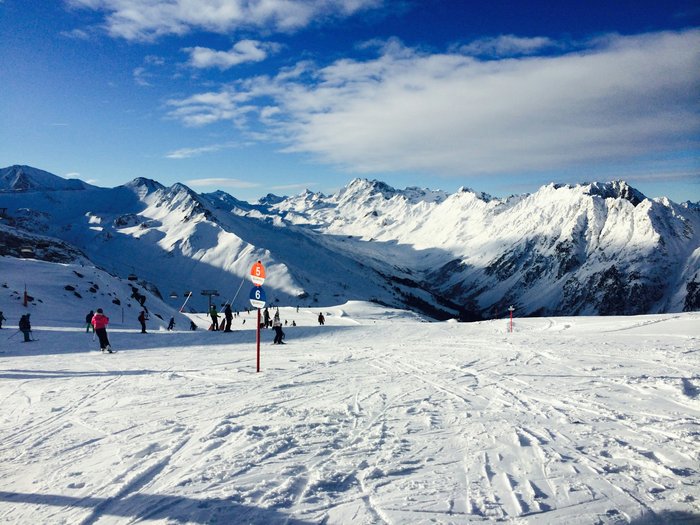
Ischgl, Austria
The Ibiza of the Alps — 239 km of cross-border skiing and Europe’s wildest après.
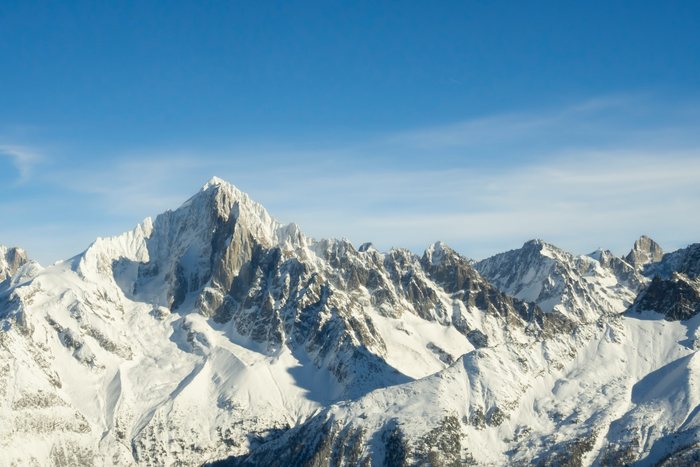
Chamonix, France
The birthplace of alpinism, under Mont Blanc.
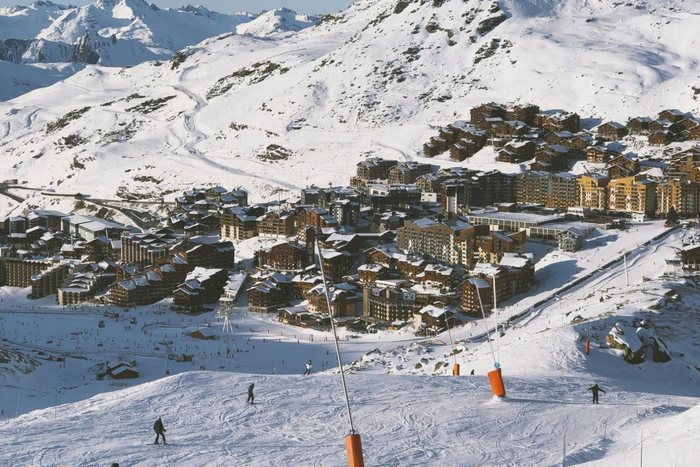
Val Thorens, France
Europe’s highest resort — snow-sure, and the gateway to the world’s largest linked ski area.
Val d’Isère, France
High-altitude, serious skiing with a village that actually feels like one.