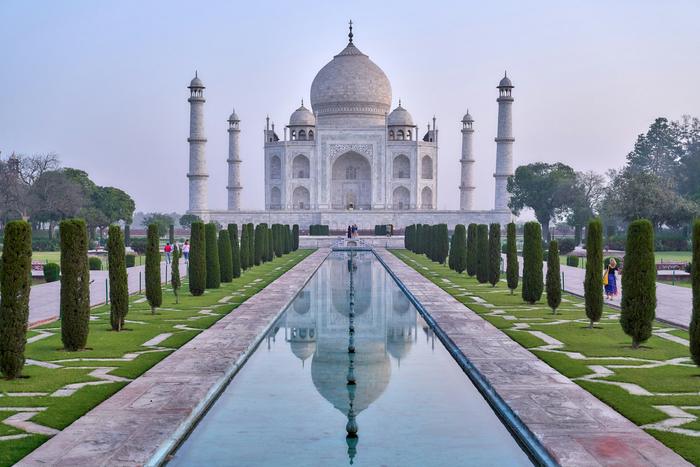
India vs Maldives

Two Indian-Ocean neighbours that could hardly ask more differently of you. India is a vast, overwhelming subcontinent of culture, chaos and depth. The Maldives is the opposite — a secluded one-resort-per-island water escape where the whole point is that nothing is asked of you at all.

South Asia

India

Overwhelming, beautiful, and utterly unlike anywhere else.

Best time to visit
  1. January: peak
  2. February: peak
  3. March: fine
  4. April: avoid
  5. May: avoid
  6. June: avoid
  7. July: avoid
  8. August: avoid
  9. September: fine
  10. October: peak
  11. November: peak
  12. December: peak
Peak Fine Avoid
South Asia

Maldives

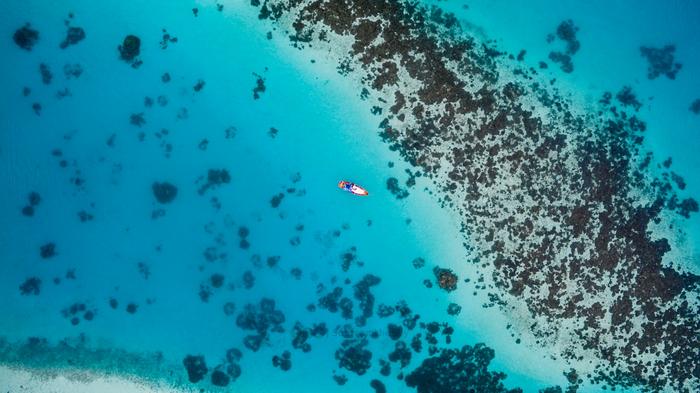
One island, one resort, almost nothing to do. That is the point.

Best time to visit
  1. January: peak
  2. February: peak
  3. March: peak
  4. April: peak
  5. May: fine
  6. June: avoid
  7. July: avoid
  8. August: avoid
  9. September: avoid
  10. October: fine
  11. November: peak
  12. December: peak
Peak Fine Avoid

Read our full guides about India and Maldives.

Side by side

Emphasised where they differ. Muted rows are much the same either way.

India Maldives
Best time October–February November–April
Climate warm warm
Budget Very cheap at street level; distances and foreigner prices add up Among the world’s priciest beach trips — transfers and a tax stack on top
Trip length 2–8 wks 1–2 wks
Visa E-visa required for most nationalities. Apply 4 days+ before travel. Free visa on arrival for most passports (30 days). Verify before travel.
Currency INR (Rupee). Roughly 84 INR ≈ 1 USD. USD widely used; MVR (Rufiyaa) locally.
Language Hindi, English, plus dozens of regional languages. English widespread. Dhivehi. English widely spoken in resorts and Malé.
Tap water Tap water not safe. Bottled or filtered only. Stick to bottled or filtered water; resorts provide it.
Safety Generally safe but solo female travel needs care. Watch food/water hygiene. Very safe within resorts; standard sense on local islands.

General guidance — visas, safety, and health change, so check your government's travel advisory and the official sources before you go.

The split

A subcontinent, or a single island

Neighbours — but one asks everything of you and the other asks nothing.

Immersion vs escapewhat each is really forCulture, chaos and depth, or seclusion and rest
Cheapest vs priciestthe moneyRock-bottom street India, or a tax-stacked luxury escape
Everything vs nothingthe effortHard-planned slow travel, or a resort that handles it all

India is the vast, intense subcontinent: the Golden Triangle, Varanasi, Kerala, the Himalaya — endless depth, travelled slowly and planned hard, overwhelming in the best and hardest ways. The Maldives is the secluded water escape: one private resort island, an overwater villa, a house reef, and the luxury of nothing to do. Total immersion, or total escape.

The operational detail for each — India’s e-Visa and train logistics, the Maldives’ transfers and taxes — lives on the two guides: India, know before you go and the Maldives, know before you go. This page is the head-to-head.

Who suits which

Who each actually suits

They sit at opposite extremes — they essentially never invert.

If you want…IndiaMaldives
Depth, culture and scaleWins clearly. A subcontinent of itA single resort island
Total seclusion and switch-offThe opposite — intenseWins clearly. Nothing asked of you
To keep costs downWins. Rock-bottom street pricesAmong the priciest anywhere
A once-in-a-lifetime journeyWins. One of the great tripsA blissful rest, not a journey
A honeymoon-grade escapeNot the registerWins. Built for it
To be challenged and immersedWins. EndlesslyThe anti-challenge

Doing both

Immersion, then escape

A short flight apart — they complement by contrast.

They pair well precisely because they’re opposites: a short flight apart, with the natural shape being India’s intensity followed by the Maldives as a total decompression to end on. Each has its own entry (India’s e-Visa; the Maldives’ free visa plus the IMUGA declaration) and very different budgets, so it’s a longer-trip combination that deliberately mixes the hardest travel with the easiest rest.

What we leave out

What we deliberately leave out

Exact prices and the moving pieces — India’s e-Visa fees and pollution season, the Maldives’ legislated taxes and transfer costs — change within a season, so the figures here are the shape of the gap, not a quote; the country guides carry the live detail.

India or Maldives, month by month

Which of the two is the better bet for each month of the year, scored on how well the season suits each place.

Which to choose

Choose India if:

  • You want depth, culture and scale — the Golden Triangle, Varanasi, Kerala, the Himalaya.
  • The intensity and richness are the appeal, not a beach.
  • You’ll plan hard and travel slowly for one of the world’s great trips.

Choose Maldives if:

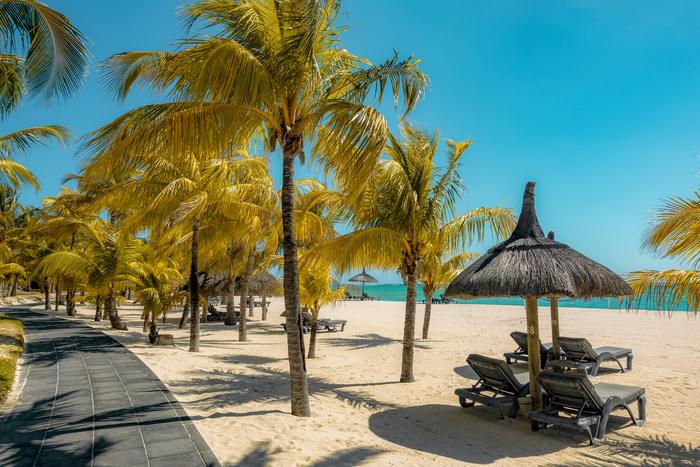
  • You want seclusion and total switch-off — an overwater villa, a house reef, nothing to do.
  • A honeymoon-grade water escape is worth the big bill.
  • You’d rather be looked after on one island than navigate a subcontinent.

Common questions

Are India and the Maldives even comparable?
They’re opposite trips that happen to be neighbours — which is why people sometimes weigh them, or pair them. India is a vast, intense subcontinent you travel hard; the Maldives is a secluded resort-island escape where the point is doing nothing. One demands everything of you and rewards it with depth; the other asks nothing and rewards you with rest. The choice is immersion versus escape.
Is India or the Maldives more expensive?
The Maldives, dramatically — it’s among the world’s most expensive beach destinations, with pricey resort rooms, costly transfers and a tax stack on top. India is one of the cheapest countries on earth at street level, though its scale means internal flights and trains, and foreigner monument prices add up. On raw cost they’re at opposite ends.
Which takes more effort?
India, by a vast margin — it demands hard planning, long journeys, and a tolerance for chaos and scale. The Maldives is the definition of low-effort: you fly in, transfer to one island, and stay put while a resort handles everything. If you want to switch off completely, the Maldives; if you want to be challenged and immersed, India.
Should I combine India and the Maldives?
They pair well as contrast — a short flight apart — with the natural shape being India’s intensity followed by the Maldives as a total decompression at the end. Each has its own entry (India’s e-Visa; the Maldives’ free visa plus IMUGA) and very different budgets, so it’s a longer-trip combination that deliberately mixes immersion with escape.

Still undecided

Take the quiz

Three matches. Often answers comparison questions for you.

Start the quiz