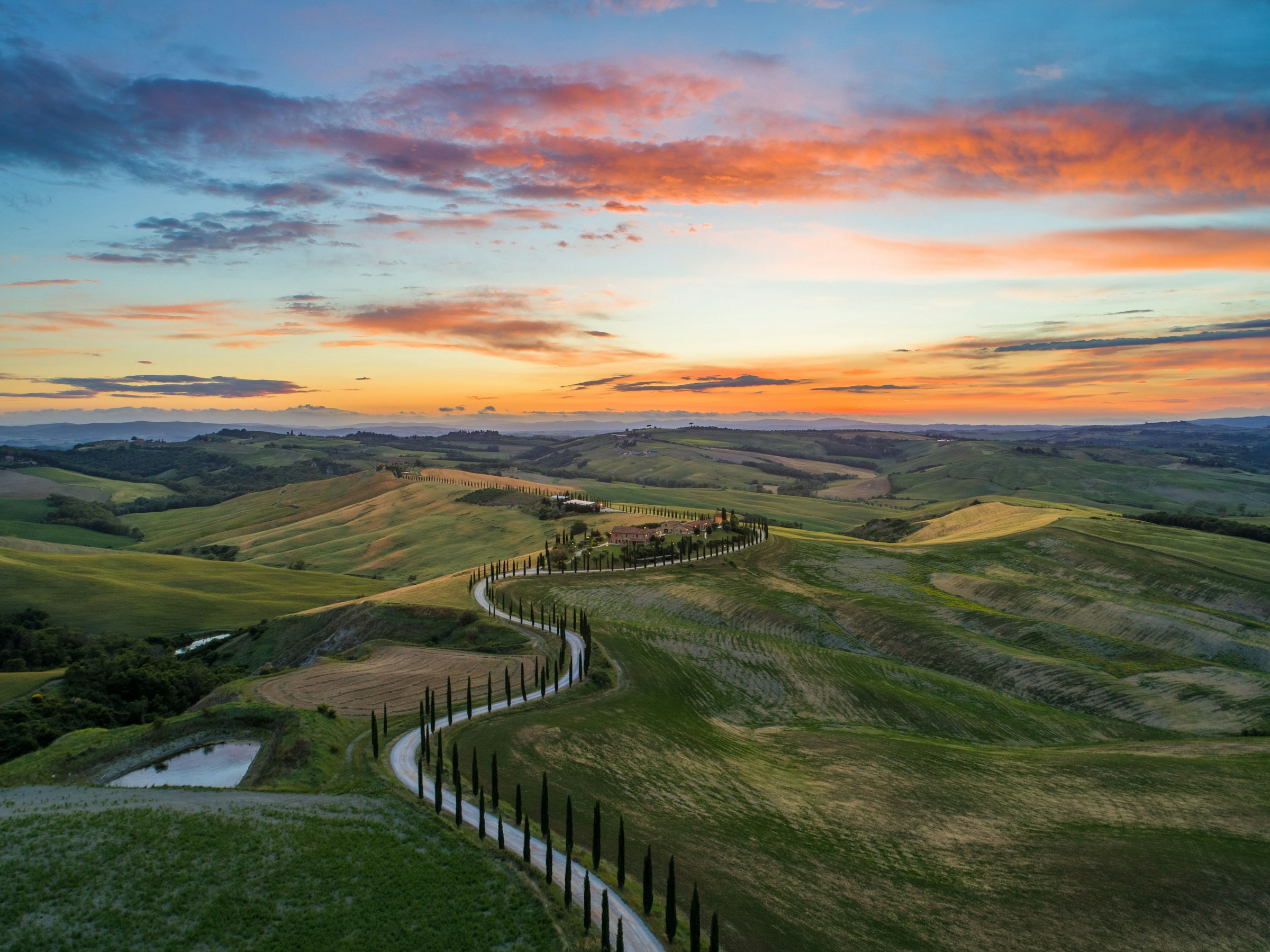
Tuscany
The template for the good life — Renaissance cities, cypress hills, and the best wine roads in Italy.
Tuscany is the Italy of the imagination: Renaissance art in Florence, medieval towers in Siena, and in between a landscape of cypress-lined ridges, vineyards, and hilltop towns that has shaped how the West pictures the countryside. It combines two trips that most places make you choose between — a serious art-and-history city break and a slow, wine-soaked rural idyll — in one compact, beautiful region.
Base yourself in Florence for the art — the Uffizi, Michelangelo's David, the Duomo's dome, a whole city that was the cradle of the Renaissance — then get out into the hills, which are the real magic. The Val d'Orcia is the postcard: rolling golden hills striped with cypress, the perfect little Renaissance town of Pienza, and the wine towns of Montalcino and Montepulciano. Siena, with its shell-shaped Campo and twice-yearly Palio horse race, is the great medieval rival to Florence. The Chianti wine roads wind between them, San Gimignano bristles with its surviving towers, and walled Lucca circles itself with a green rampart you can cycle. It's a region for driving slowly, eating long lunches, and drinking Sangiovese.
The honest part: Tuscany's fame is also its problem — Florence and San Gimignano are mobbed in summer, the marquee sights come with queues and crowds, and the region isn't cheap, especially the agriturismo-and-wine idyll everyone pictures. It's also not a beach destination (the coast is an afterthought). But spread beyond the honeypots into the Val d'Orcia and the Chianti hills, come in spring or autumn, rent a car, and it delivers exactly the art-food-landscape trifecta it's famous for — for good reason.
Highlights
-
Florence
The cradle of the Renaissance: the Uffizi, Michelangelo’s David, and Brunelleschi’s dome over the Duomo.
-
Val d’Orcia
The postcard Tuscany of cypress-lined golden hills, with Pienza and the wine towns of Montalcino and Montepulciano.
-
Siena
A perfectly preserved medieval city around the shell-shaped Campo, home of the twice-yearly Palio.
-
Chianti wine roads
Winding lanes between vineyards and stone villages — the heartland of Sangiovese.
-
San Gimignano
A hilltop town bristling with the medieval stone towers that earned it the "medieval Manhattan" tag.
-
Lucca
A handsome walled city you can circle on top of its Renaissance ramparts by bike.
Practical info
- Visa
- Schengen — visa-free for most Western passports (90 days).
- Currency
- EUR (€)
- Language
- Italian; English widely spoken in tourism.
- Safety
- Very safe; watch for pickpockets around Florence’s big sights.
- Getting around
- Trains link the cities; a rental car is what unlocks the hill towns and wine country.
- Tap water
- Tap water safe and good.
- Plug type
- Type C Type F Type L 230V
- Money
- Cards widely accepted; carry cash for rural trattorie and markets.
General guidance — visas, safety, and health change, so check your government's travel advisory and the official sources before you go.
Common questions
- When is the best time to visit Tuscany?
- Tuscany is at its best in April–June, September, October.
- How many days do you need in Tuscany?
- Most trips run 1–2 weeks, depending on how much ground you want to cover.
- Is Tuscany expensive?
- Plan for mid-range daily spend, depending on how you travel.
- Is Tuscany safe for travelers?
- Very safe; watch for pickpockets around Florence’s big sights.
- Do you need a visa for Tuscany?
- Schengen — visa-free for most Western passports (90 days).
Compare Tuscany with
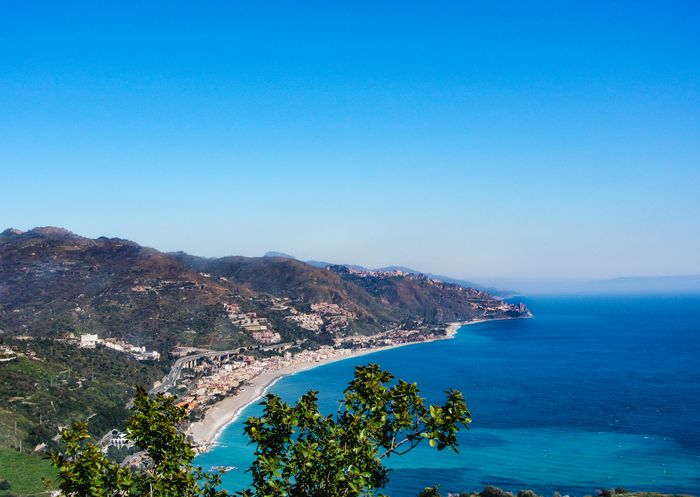
If you like Tuscany, also consider
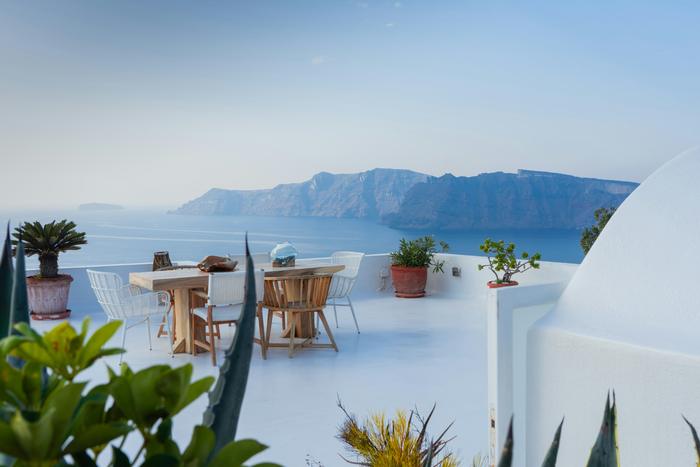
Greece
Ruins in the morning, a swim by noon, taverna until dark.
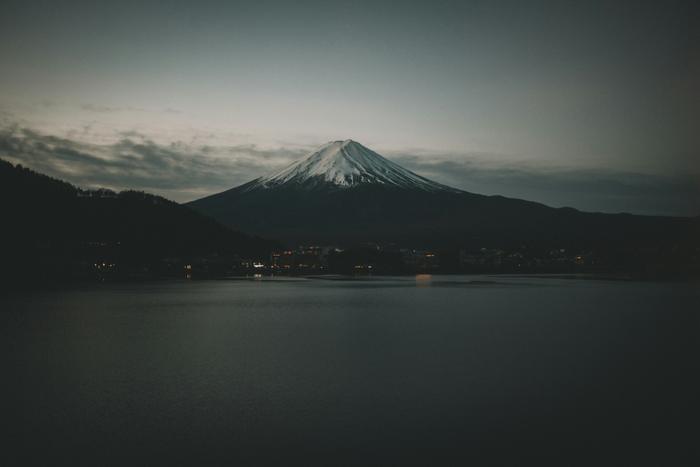
Japan
Extraordinary food, culture, and cities. Nothing quite prepares you for it.
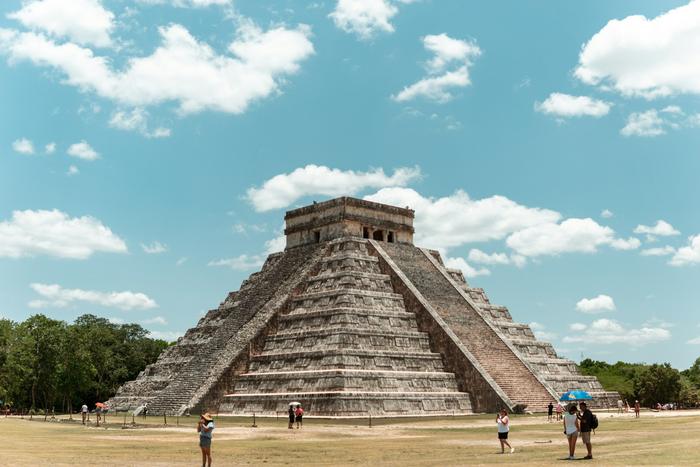
Mexico
Mexico City is world-class. Add the coast, ruins, and food culture.
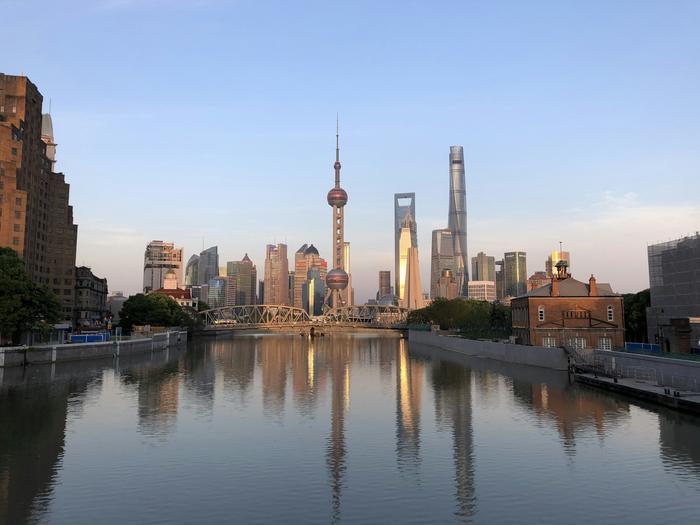
China
Ancient history and hypermodern cities at a scale that's hard to grasp until you're there.
Not sure where to go
Take the 5-minute quiz
Answer a few honest questions and get matched to destinations that actually fit how you travel.
Start the quiz