Turks & Caicos
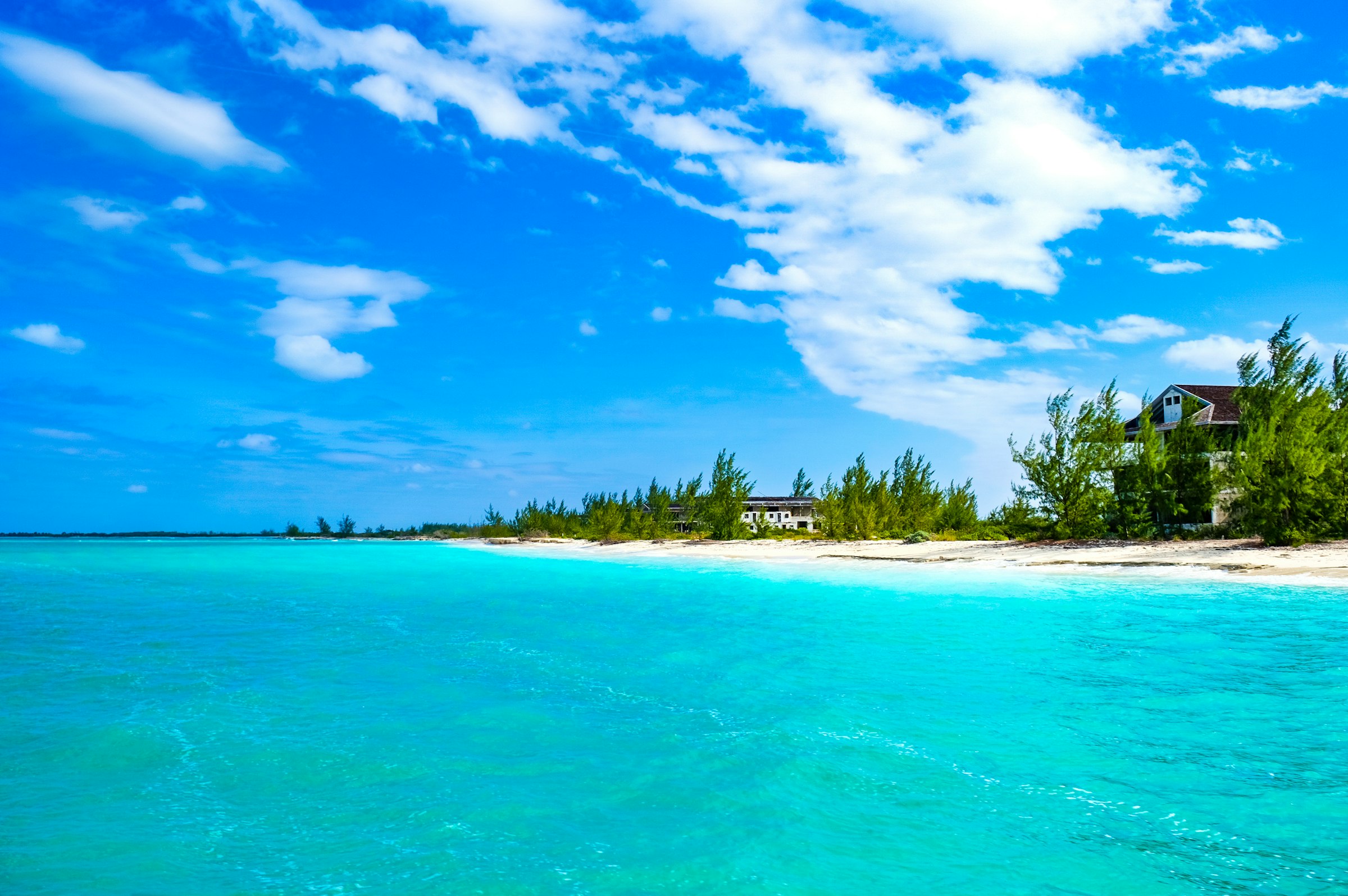
One of the great beaches on earth, and not a lot else — which is exactly the appeal.
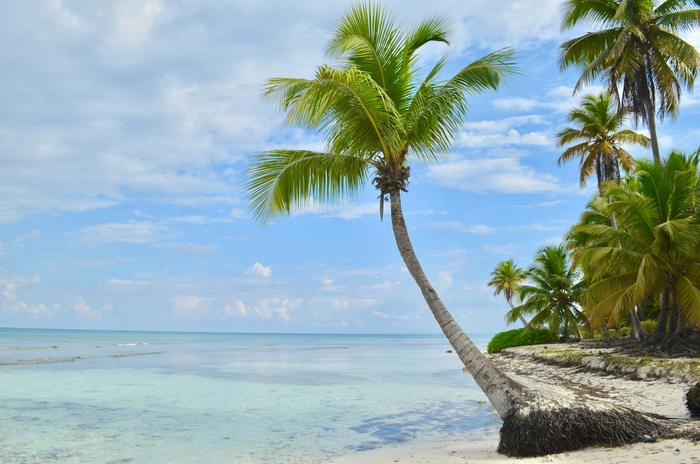
Turks & Caicos is a low, dry chain of islands south of the Bahamas whose headline is Grace Bay: a long, pale, gin-clear stretch of sand routinely voted the best beach in the world, fronting one of the biggest barrier reef systems anywhere. This is upscale, quiet, do-very-little Caribbean — the kind of place you come to swim, dive, eat conch, and switch off, not to sightsee.
Almost everyone stays on Providenciales ('Provo'), where Grace Bay's resorts and villas line that famous beach. The water is the whole point: warm, flat, and impossibly clear, with a coral wall just offshore that makes for world-class diving and snorkelling, and long empty flats for bonefishing and kiteboarding. For more space, day-trip or stay out on the quieter islands — North and Middle Caicos have caves, empty beaches, and a causeway walk; tiny South Caicos is a raw fishing outpost. The national dish, conch, turns up cracked, in fritters, and in ceviche at the beach shacks.
The honest part: this is one of the more expensive corners of the Caribbean, and there is genuinely little to 'do' beyond the water — no big towns, few cultural sights, limited nightlife, and dining that leans pricey-resort. That emptiness is the product, not a flaw, but it's the wrong fit if you get restless on a beach. Hurricane season (August to October) is a real risk on such a low-lying place. Come in the dry season, accept that the trip is the beach and the reef, and Grace Bay lives up to its billing.
Highlights
-
Grace Bay Beach
Twelve miles of pale, calm, gin-clear water — perennially rated the best beach in the world.
-
The barrier reef & wall diving
A coral wall drops off just beyond the beach, making Provo a top-tier dive and snorkel destination.
-
Chalk Sound
A shallow inland lagoon of unreal turquoise dotted with tiny islets — best seen by paddleboard.
-
North & Middle Caicos
The quiet islands: caves, empty beaches, and a causeway walk away from Provo’s resorts.
-
Kiteboarding & bonefishing
Steady wind and vast shallow flats make the islands a magnet for kiters and fly-fishers.
-
Conch
The national obsession — cracked, fried, or as ceviche at the beach shacks and the conch farm.
Practical info
- Visa
- Visa-free for most Western passports (stays up to 90 days). Verify before travel.
- Currency
- USD ($).
- Language
- English (official).
- Safety
- Very safe in the tourist areas; ordinary precautions only.
- Getting around
- Rent a car on Provo (driving on the left); ferries and small flights reach the other islands.
- Tap water
- Bottled or filtered water advised.
- Plug type
- Type A Type B 120V
- Money
- Cards accepted widely; carry cash for beach shacks and the smaller islands.
General guidance — visas, safety, and health change, so check your government's travel advisory and the official sources before you go.
Common questions
- When is the best time to visit Turks & Caicos?
- Turks & Caicos is at its best in December–May. It's best to avoid August, September, October.
- How many days do you need in Turks & Caicos?
- Most trips run about 1 week, depending on how much ground you want to cover.
- Is Turks & Caicos expensive?
- Plan for mid-range – premium daily spend, depending on how you travel.
- Is Turks & Caicos safe for travelers?
- Very safe in the tourist areas; ordinary precautions only.
- Do you need a visa for Turks & Caicos?
- Visa-free for most Western passports (stays up to 90 days). Verify before travel.
Compare Turks & Caicos with
If you like Turks & Caicos, also consider

Mexico
Mexico City is world-class. Add the coast, ruins, and food culture.
United States
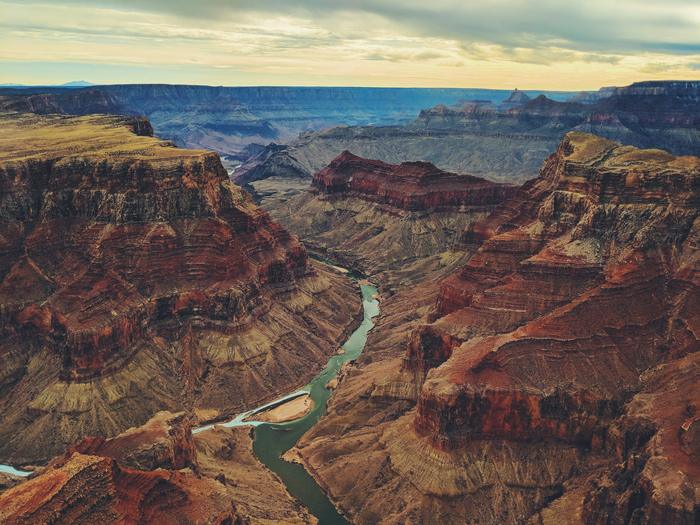
A continent pretending to be a country — cities, deserts, and the best national parks anywhere.
Argentina
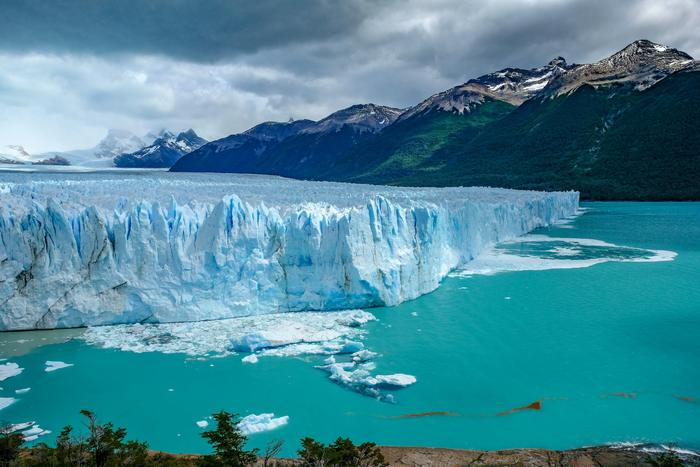
Buenos Aires has the best steakhouses and nightlife in South America.

Greece
Ruins in the morning, a swim by noon, taverna until dark.

Spain
Food, beaches, and three or four cities that each justify the trip.
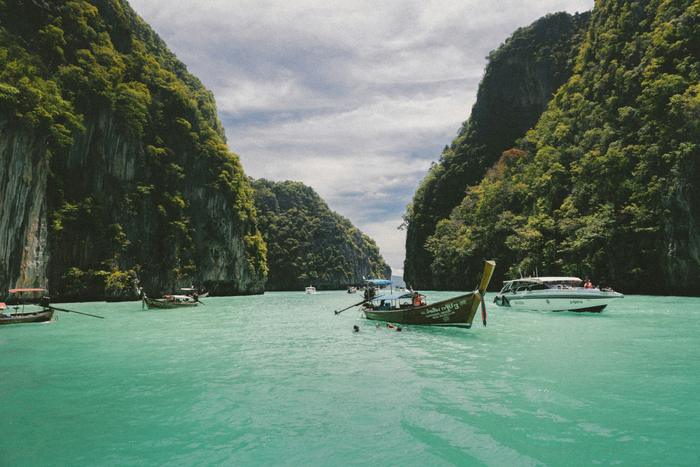
Thailand
The complete package for warm-climate travel.
Not sure where to go
Take the 5-minute quiz
Answer a few honest questions and get matched to destinations that actually fit how you travel.
Start the quiz