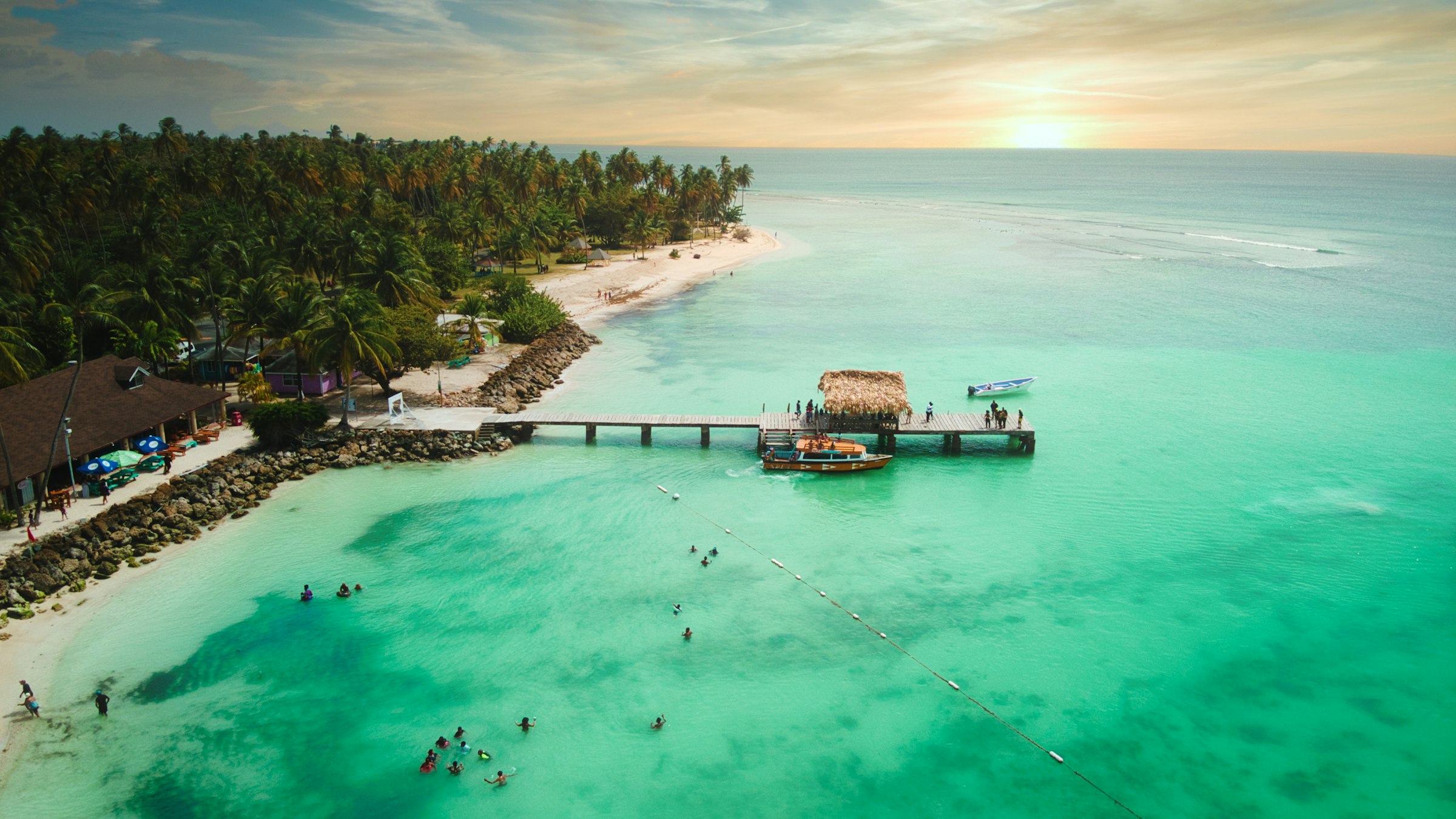
Trinidad & Tobago
The Caribbean’s biggest party and its best birding — on two islands that share nothing but a flag.
Trinidad and Tobago is two countries pretending to be one. Trinidad is industrial, multicultural, and culturally the most interesting island in the Caribbean — the birthplace of steelpan and calypso, home to the region's biggest Carnival, and a food scene shaped by Indian, African, Chinese and Creole cooking. Tobago, twenty minutes away by plane, is the beach island people picture when they hear 'Caribbean'. Go for Carnival, the birds, and the food; go to Tobago to lie down afterwards.
Trinidad Carnival is the real thing — two days of mas bands, steelpan, and soca that consumes the entire country each February or March, and the weeks of fetes and panyards before it are half the point. Outside Carnival, Trinidad is about nature and food: the Asa Wright Nature Centre in the northern range is one of the great birding lodges anywhere, the Caroni Swamp fills at dusk with scarlet ibis coming in to roost, and street food — doubles, roti, bake and shark at Maracas Bay — is better and cheaper than anywhere in the region. Tobago is the opposite: Pigeon Point's jetty, the Buccoo Reef and Nylon Pool, rainforest that's been protected since 1776, and leatherback turtles nesting between March and July.
The honest part: Trinidad is not a beach holiday and doesn't try to be — it's a working island with an oil economy, traffic, and real crime issues in parts of Port of Spain that mean you should take local advice seriously. Accommodation is business-hotel rather than resort. Carnival prices and books out a year ahead. Tobago is far gentler but has fewer flights and a slower pace than its neighbours. Come for the culture and the wildlife, treat the beaches as a bonus, and it's the most rewarding island in the Caribbean for anyone who finds resorts boring.
Highlights
-
Trinidad Carnival
The biggest and most serious Carnival in the Caribbean — mas, steelpan and soca, every February or March.
-
Asa Wright Nature Centre
A rainforest lodge with a veranda that is one of the world’s great birding spots.
-
Caroni Swamp
Scarlet ibis flooding in to roost at dusk — a boat trip worth planning around.
-
Street food
Doubles, roti, and bake and shark at Maracas — the best everyday eating in the region.
-
Pigeon Point & Buccoo Reef, Tobago
The postcard jetty, plus glass-bottom boats over the reef and the Nylon Pool sandbar.
-
Main Ridge Forest Reserve
Protected since 1776 — the oldest legally protected rainforest in the western hemisphere.
Practical info
- Visa
- Visa-free for most Western passports (typically 90 days). Verify before travel.
- Currency
- Trinidad & Tobago Dollar (TTD).
- Language
- English (official), plus Trinidadian Creole.
- Safety
- Take this seriously in Trinidad: violent crime is a real problem in parts of Port of Spain and some districts should be avoided. Tobago is much calmer. Follow local advice, avoid unlit areas at night, and do not display valuables.
- Getting around
- Rental car or maxi-taxis (driving on the left); a short domestic flight or a ferry links the two islands.
- Tap water
- Tap water is chlorinated and generally safe; many visitors stick to bottled.
- Plug type
- Type A Type B 115V
- Money
- Cards in hotels and malls; carry cash for street food, maxis and markets.
General guidance — visas, safety, and health change, so check your government's travel advisory and the official sources before you go.
Common questions
- Trinidad or Tobago?
- Trinidad for Carnival, culture, music and wildlife (it’s not a beach island); Tobago for beaches, reefs and a relaxed, safer holiday — ideally both, linked by a 20-minute flight or the fast ferry. See the two-islands section.
- Do I need a visa?
- No — visa-free for 90 days for US/UK/EU/Canada, with a passport valid six months and proof of onward travel. You must file the free online Arrival/Departure card at travel.gov.tt first — see entry.
- What’s the online arrival card?
- A mandatory form at travel.gov.tt (since 17 March 2026), done up to 72 hours before travel, which issues QR codes for Immigration and Customs. It replaced the paper form.
- Is it safe?
- Trinidad has serious violent crime — the US advises “Reconsider Travel” with “Do Not Travel” pockets in parts of Port of Spain, and states of emergency recur — but most Carnival and Tobago visitors are fine with normal precautions, and Tobago is much safer. Re-check advisories before travel. See money & safety.
- When should I go?
- The dry season, January–May; Carnival is in February or March (2027: 8–9 Feb), and leatherback turtles nest March–August. It sits largely outside the hurricane belt.
- Why is Trinidad famous for Carnival?
- It’s one of the world’s great Carnivals and the birthplace of the steelpan, calypso and soca — the mas bands, J’ouvert and the Panorama steelband competition fill the two days before Lent. See the Carnival section.
Entry
Visa-free, an online card, no hurricanes
Easy entry to a nation that sits off Venezuela, largely below the storm belt.
Trinidad and Tobago is visa-free for 90 days for the main Western passports (passport valid six months), and since March 2026 every traveller files a free online Arrival/Departure card at travel.gov.tt up to 72 hours ahead, which issues QR codes for Immigration and Customs in place of the old paper form.
Geographically it’s the odd one out: sitting just 11 km off Venezuela, it’s the southernmost Caribbean nation and largely outside the hurricane belt — rarely struck, though not guaranteed immune.
File the travel.gov.tt card before you fly (it needs a passport photo and your flight details, and issues two QR codes) — it’s been mandatory since March 2026 and the paper form is gone. Being off the hurricane belt, the island is a safer bet than most of the Caribbean for an August–October trip, weather-wise.
Two islands
Industrial Trinidad, laid-back Tobago
One nation, two opposite trips — culture-and-nature Trinidad and beach-and-reef Tobago.
The two islands could hardly be more different. Trinidad is large, industrial and oil-rich, with the cosmopolitan capital of Port of Spain — a cultural powerhouse whose draw is Carnival, music and wildlife, not beaches. Tobago, its small sibling, is the laid-back one: the beaches, the reefs, and a gentler, safer pace.
They’re linked by an inter-island fast ferry and a short air bridge, so many visitors do both — Trinidad for the culture, Tobago for the wind-down.
- Carnival, culture, music and wildlifeSkipexpecting a beach holidayGoTrinidad — Port of Spain, Caroni, Asa Wright
- Beaches, reef and a slow, safer paceSkipindustrial TrinidadGoTobago — Pigeon Point, Buccoo Reef, Main Ridge
- Both in one tripSkipthe slow ferry if time is tightGothe ~20-minute air bridge between them
Match the island to your trip: come to Trinidad for Carnival and nature and Tobago to decompress on the sand. If you only want a beach holiday, fly straight to Tobago (ANR Robinson) and skip Trinidad’s city; if Carnival or the birds are the point, Trinidad is unavoidable — and the air bridge makes adding Tobago easy.
Carnival
The birthplace of steelpan
Trinidad Carnival is one of the world’s great festivals — and the cradle of steelpan, calypso and soca.
Steelpan’s home Trinidad Carnival — one of the world’s great carnivals
Trinidad Carnival is the island’s global calling card and, for many, the whole reason to come — a two-day explosion of mas bands, soca and steelpan that climaxes on the Monday and Tuesday before Lent, opening before dawn with the mud-and-paint J’ouvert. The Panorama steelband competition runs in the weeks before.
It is genuinely one of the world’s great carnivals, and the cultural inventions behind it — the steelpan, calypso, soca — were born here.
If Carnival is the plan, book flights and accommodation months ahead — Port of Spain fills and prices spike, and the 2027 dates (8–9 February) are fixed by the church calendar. Joining a mas band (which gets you a costume and a place in the Tuesday parade) is the full experience, and sells out early.
Trinidad’s nature
Scarlet ibis, turtles and an asphalt lake
Beyond the city, Trinidad is a wildlife island — the draw is birds, turtles and one very strange lake.
Trinidad’s other identity is wildlife. At dusk, thousands of scarlet ibis — the national bird — flood back to roost in the mangroves of the Caroni Swamp, a boat tour that’s one of the Caribbean’s great nature spectacles. The Asa Wright rainforest centre in the Northern Range is a world-renowned birding lodge, and Grande Riviere on the north coast is among the most densely nested leatherback-turtle beaches on earth (March–August).
For the curious, the Pitch Lake at La Brea is the world’s largest natural deposit of asphalt — a walkable, rubbery lake of tar.
| Sight | What | Note |
|---|---|---|
| Caroni Swamp | Scarlet ibis roosting at sunset | The national bird; a boat tour at dusk |
| Asa Wright | A rainforest birding lodge, Northern Range | One of the Caribbean’s great bird spots |
| Grande Riviere | Leatherback turtle nesting | Mar–Aug (peak May–Jun); a top nesting beach |
| Pitch Lake | The world’s largest natural asphalt lake | La Brea, south-west Trinidad |
Trinidad is a nature-and-culture island, not a beach one. The Caroni scarlet-ibis sunset and the Grande Riviere leatherbacks are the wildlife set-pieces; the Pitch Lake is its geological oddity.
Time the wildlife: the Caroni scarlet-ibis tour runs at sunset year-round (book the late-afternoon boat), while the leatherback turtles nest March to August, peaking May–June, at Grande Riviere — a guided night visit with a permit. Neither is a beach day; Trinidad rewards travellers who come for its nature and culture over its coast.
Tobago
Beaches, reef and ancient rainforest
The small island is the beach half — plus the oldest protected rainforest in the hemisphere.
Tobago is where the beaches are: Pigeon Point with its postcard jetty, the lively Store Bay, the wild crescent of Englishman’s Bay. Offshore, the Buccoo Reef and the shallow Nylon Pool sandbar are the classic glass-bottom-boat outing.
Inland rises the Main Ridge Forest Reserve — the oldest legally protected rainforest in the Western Hemisphere, set aside in 1776 — a reminder that tiny Tobago is as much about forest and reef as sand.
| Spot | What | Note |
|---|---|---|
| Pigeon Point | The iconic jetty beach | Calm, postcard Tobago |
| Store Bay | A lively beach by the airport | Food stalls — try crab-and-dumpling |
| Englishman’s Bay | Wild, scenic and quiet | A forested crescent on the north coast |
| Buccoo Reef / Nylon Pool | Glass-bottom-boat reef + a sandbar swim | A shallow offshore pool |
Behind the beaches, the Main Ridge Forest Reserve is the oldest legally protected rainforest in the Western Hemisphere — established by ordinance on 30 April 1776.
Tobago is the safer, slower half of the nation and a genuine beach-and-reef holiday in its own right — you can fly straight into ANR Robinson and never see Trinidad. Give a morning to the Main Ridge rainforest (guided birding walks) alongside the beaches; the 1776 reserve is the island’s quiet claim to fame.
Getting around
A hire car, a ferry and the air bridge
Drive on the left on each island — and fly or ferry between them.
On each island you drive on the left, and a hire car is handy — essential on Tobago for reaching the beaches. Between the islands there are two options: the inter-island fast ferry (Port of Spain to Scarborough, roughly 2.5–3.5 hours depending on the vessel) or the ~20-minute air bridge on Caribbean Airlines.
Trinidad’s Piarco airport is the international gateway near Port of Spain; Tobago’s ANR Robinson sits at Crown Point by the main beaches.
| Link | How | Time |
|---|---|---|
| Port of Spain ↔ Scarborough | Inter-island fast ferry | ~2.5–3.5 h |
| Piarco ↔ ANR Robinson | Caribbean Airlines air bridge | ~20 min |
| Around each island | Hire car — drive on the LEFT | Especially useful for Tobago’s beaches |
Piarco International (POS) serves Trinidad near Port of Spain; ANR Robinson (TAB) is at Crown Point, Tobago. The fast ferry’s schedule shifts — confirm with the Port Authority.
If time is tight, take the 20-minute air bridge rather than the ferry between the islands — the fast ferry is ~2.5 hours at best and the older boats far slower, and the schedule shifts. On Trinidad, factor the capital’s traffic (it’s a working city, not a resort) into any Carnival or airport timing.
When to go
Dry winter, Carnival and turtles
A dry season, a world-class Carnival, and a turtle season — with no real storm risk.
Off the belt largely outside the hurricane belt
Carnival peaks the two days before Ash Wednesday (2027: 8–9 Feb). Being largely outside the hurricane belt, the wet season is about rain, not storms. The crimson bar is the dry season.
The best weather is the dry January–May window; the wet season (June–December) brings rain rather than the storm risk that dogs the rest of the Caribbean, since the islands sit largely outside the hurricane belt.
Two dates shape a trip: Carnival in February or March (book far ahead), and the leatherback-turtle nesting season of March to August on Trinidad’s north coast.
Money & safety
The TT dollar, and a real safety caveat
Moderate prices and rich culture — with a crime picture that needs respecting on Trinidad.
Money is the Trinidad & Tobago dollar (around 6.8 to the US dollar), with US dollars partly accepted and cards widely used, though chronic forex shortages are a local quirk. The culture is the real richness — a diverse Indo- and Afro-Trinidadian society, the food of doubles (curried-chickpea street snacks) and roti, and the soca-and-steelpan soundtrack, all funded historically by oil and gas rather than tourism.
The caveat is safety: Trinidad has serious violent crime, the US advises “Reconsider Travel” with “Do Not Travel” pockets in parts of Port of Spain, and states of emergency have recurred. Most Carnival and Tobago visitors are fine with sensible precautions — and Tobago is much safer — but it’s a real consideration.
Take the safety advice seriously on Trinidad without writing the country off: avoid the flagged Port of Spain neighbourhoods (Laventille, Beetham, Sea Lots), don’t walk at night in the city, use arranged transport, and re-check the current advisory and any state of emergency before you book. Tobago carries none of this weight — it’s a relaxed beach island.
If you like Trinidad & Tobago, also consider
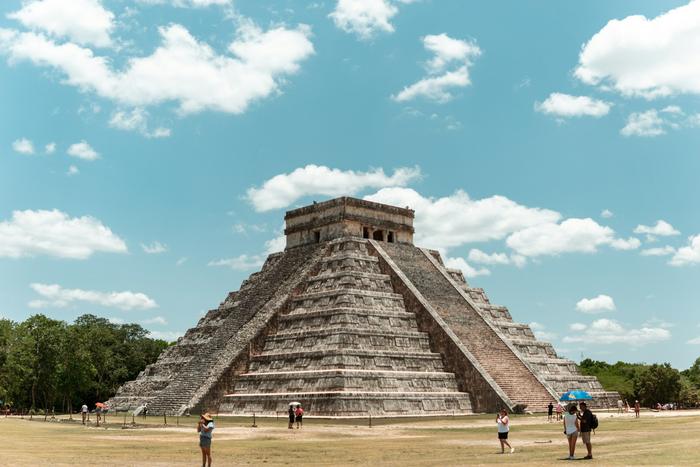
Mexico
Mexico City is world-class. Add the coast, ruins, and food culture.
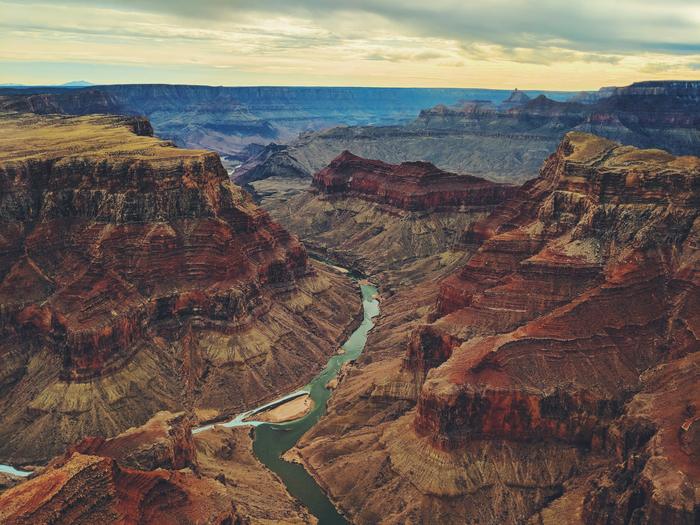
United States
A continent pretending to be a country — cities, deserts, and the best national parks anywhere.
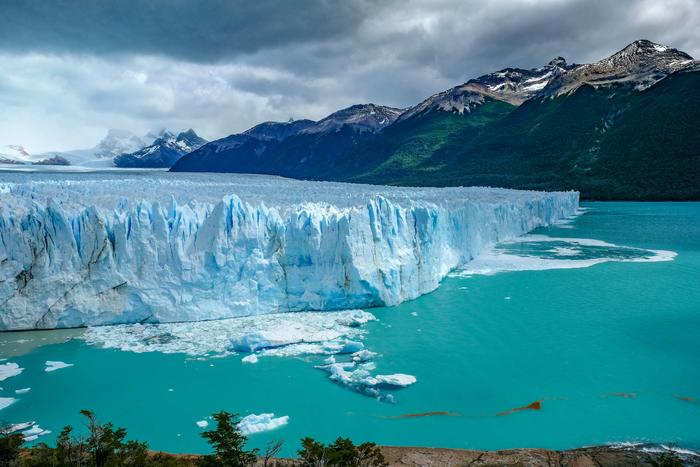
Argentina
Buenos Aires has the best steakhouses and nightlife in South America.

France
Paris is only the opening act — wine country, the Alps, and two coastlines.
Italy
The benchmark for food, history, and beauty.

Japan
Extraordinary food, culture, and cities. Nothing quite prepares you for it.
Not sure where to go
Take the 5-minute quiz
Answer a few honest questions and get matched to destinations that actually fit how you travel.
Start the quiz