St Lucia
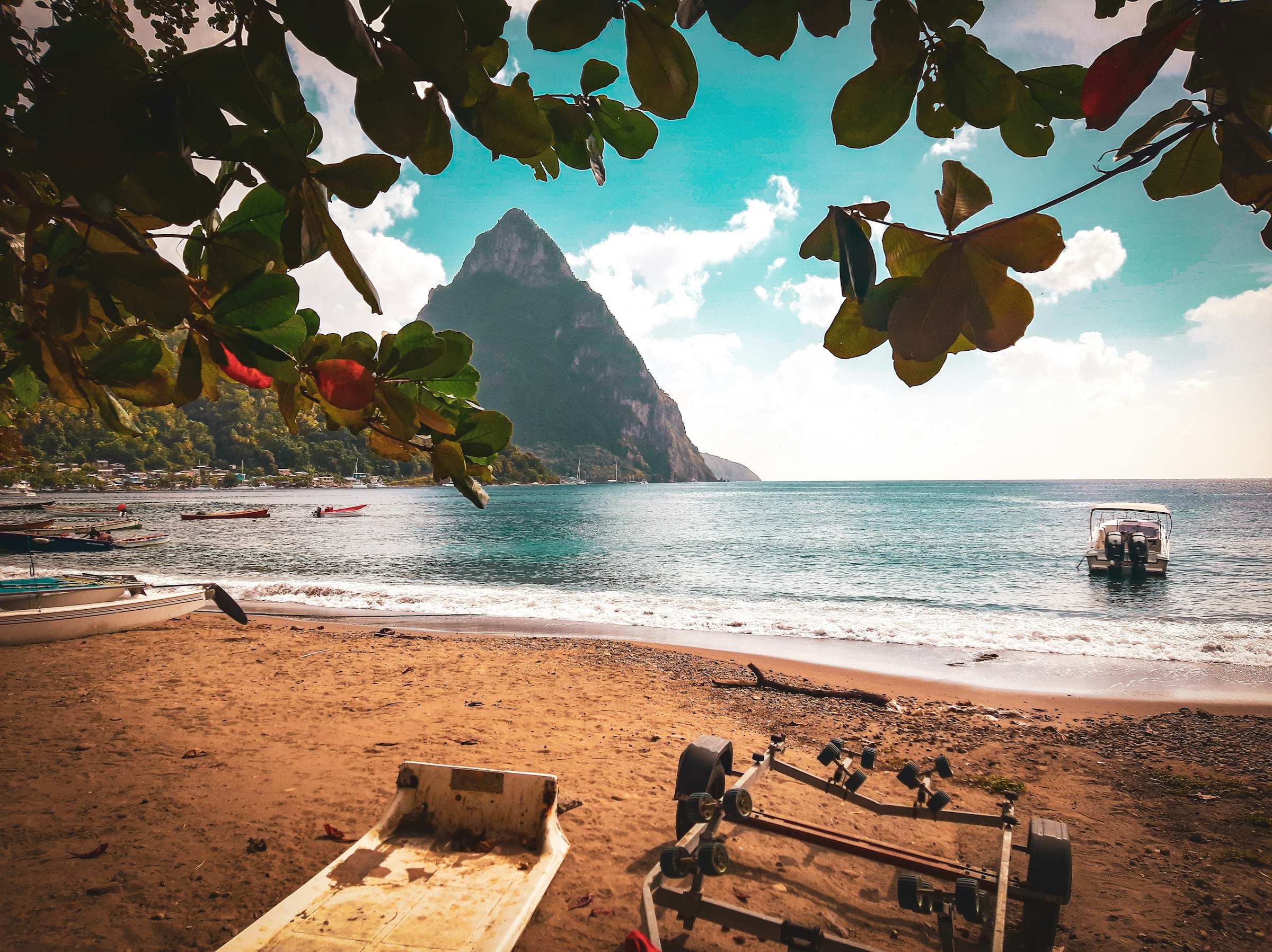
The most dramatic-looking island in the Caribbean — two green volcanic spires rising straight out of the sea.
St Lucia trades on scenery more than any island in the region. The Pitons — twin volcanic peaks that shoot up out of the water near Soufrière — give it a skyline nowhere else in the Caribbean can match, and the interior behind them is proper rainforest, hot springs, and waterfalls rather than the usual flat-and-sandy. It's a honeymoon-and-nature island, upscale and green, built around one unforgettable view.
The southwest around Soufrière is the heart of it: the Pitons framing the bay, a drive-in volcano with steaming sulphur springs and mud baths, rainforest zip-lines and trails, and some of the most photographed resorts in the world perched on the hills between the peaks. The north (Rodney Bay, Gros Islet) is flatter and busier — the beaches, the marina, the Friday-night street party. Between them the island is green and mountainous, and the drives are winding. It's an island for a slow, scenic honeymoon or a nature-leaning beach week, not a party trip.
The honest part: St Lucia is priced for the honeymoon market — the iconic Piton-view hotels are expensive, and getting the postcard usually means paying for it. The best of the island is the mountainous southwest, which is a long, winding transfer from the northern airport, so factor the drive. Beaches are good but not the island's strongest suit — the scenery and rainforest are. Hurricane season (August to October) is the wet gamble. Come in the dry season, base near Soufrière for the Pitons, and you get the most spectacular setting in the Caribbean.
Highlights
-
The Pitons
Two green volcanic spires rising straight from the sea near Soufrière — the Caribbean’s most iconic skyline.
-
Soufrière & the drive-in volcano
Steaming sulphur springs and warm mud baths you can soak in, below the peaks.
-
Rainforest interior
Zip-lines, waterfalls, and trails through genuine jungle — more nature than most islands offer.
-
Sugar Beach
Pale sand right between the two Pitons — the postcard swim.
-
Marigot Bay
A tiny, yacht-filled hurricane-hole harbour ringed by green hills — one of the prettiest anchorages anywhere.
-
Rodney Bay & Gros Islet
The livelier north: beaches, the marina, and the Friday-night street party.
Practical info
- Visa
- Visa-free for most Western passports (stays up to 6 weeks). Verify before travel.
- Currency
- East Caribbean Dollar (XCD); US dollars widely accepted.
- Language
- English (official); French-based Kwéyòl also spoken.
- Safety
- Resort areas are safe; ordinary precautions in Castries and at night.
- Getting around
- Private transfers or a rental car (driving on the left) — roads are steep and winding.
- Tap water
- Tap water is generally safe; bottled to be sure.
- Plug type
- Type G 230V
- Money
- Cards at resorts; carry cash for local spots and transport.
General guidance — visas, safety, and health change, so check your government's travel advisory and the official sources before you go.
Common questions
- When is the best time to visit St Lucia?
- St Lucia is at its best in December–April. It's best to avoid August, September, October.
- How many days do you need in St Lucia?
- Most trips run about 1 week, depending on how much ground you want to cover.
- Is St Lucia expensive?
- Plan for mid-range – premium daily spend, depending on how you travel.
- Is St Lucia safe for travelers?
- Resort areas are safe; ordinary precautions in Castries and at night.
- Do you need a visa for St Lucia?
- Visa-free for most Western passports (stays up to 6 weeks). Verify before travel.
Compare St Lucia with
If you like St Lucia, also consider
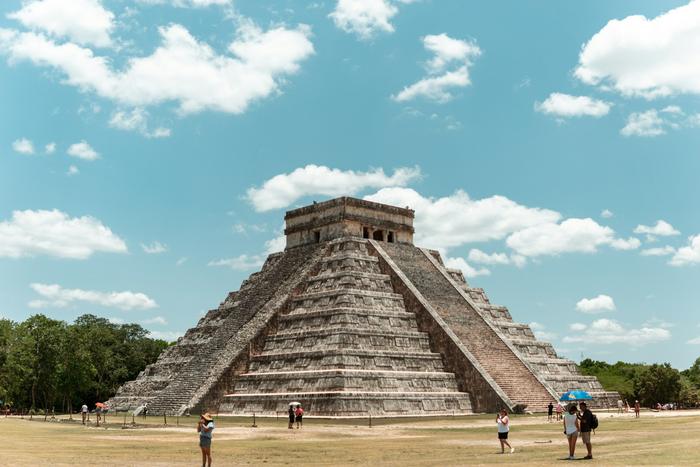
Mexico
Mexico City is world-class. Add the coast, ruins, and food culture.
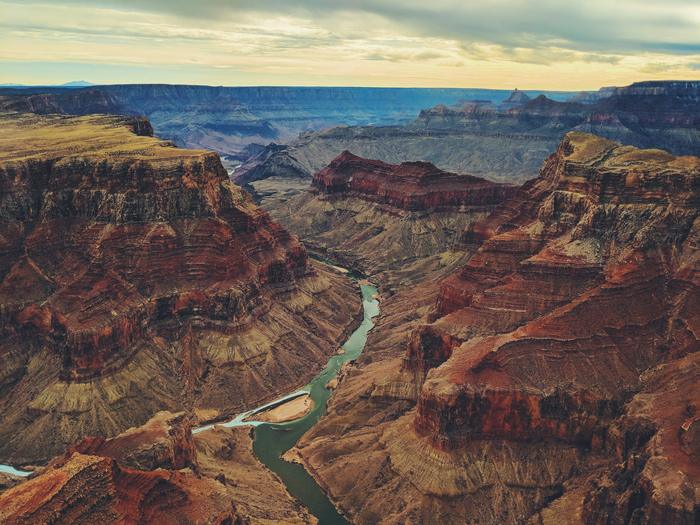
United States
A continent pretending to be a country — cities, deserts, and the best national parks anywhere.
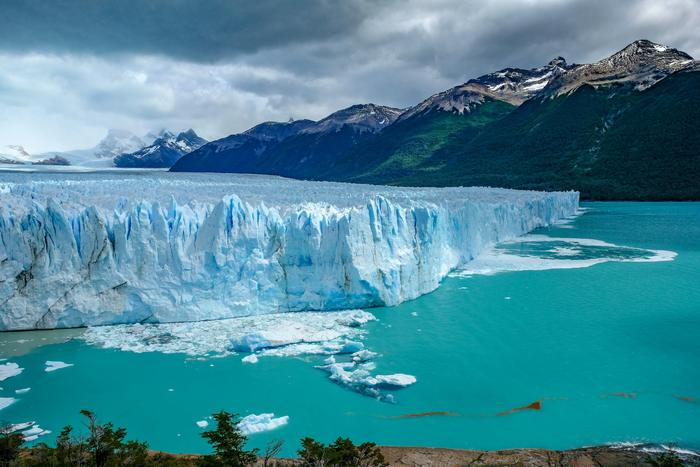
Argentina
Buenos Aires has the best steakhouses and nightlife in South America.
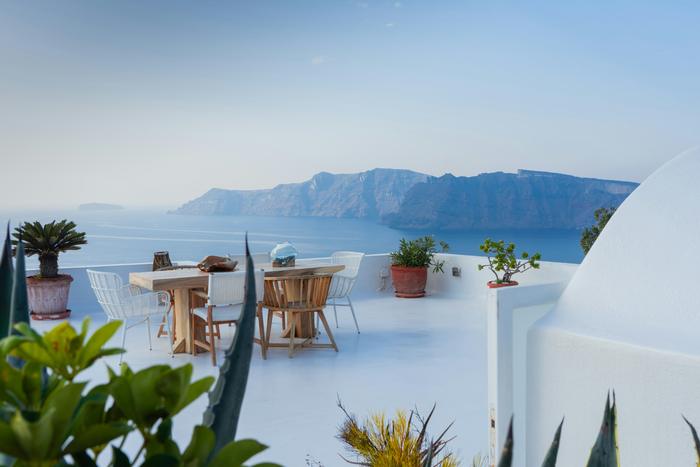
Greece
Ruins in the morning, a swim by noon, taverna until dark.
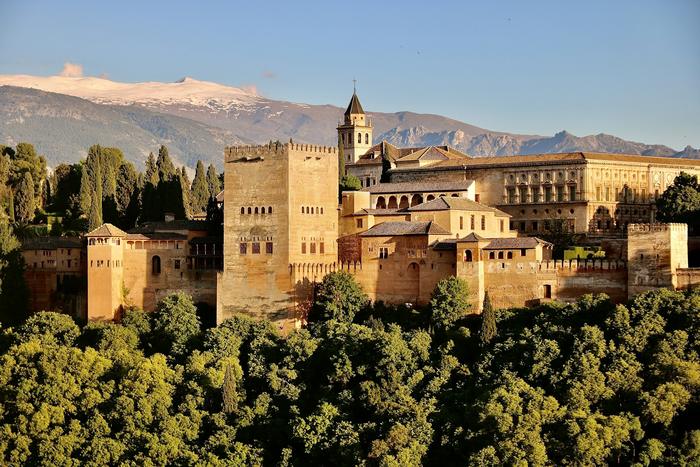
Spain
Food, beaches, and three or four cities that each justify the trip.
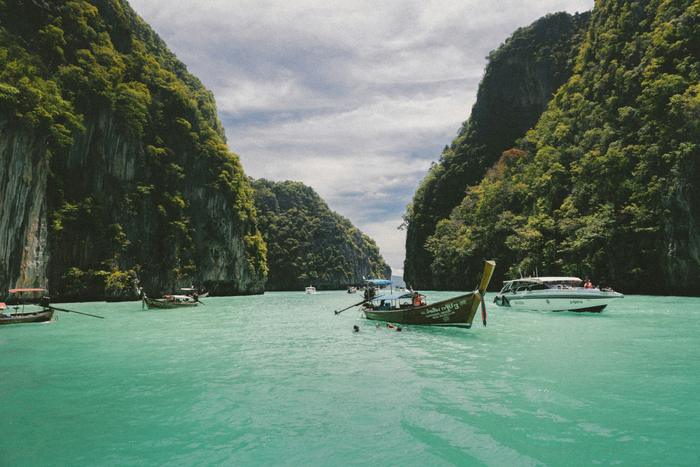
Thailand
The complete package for warm-climate travel.
Not sure where to go
Take the 5-minute quiz
Answer a few honest questions and get matched to destinations that actually fit how you travel.
Start the quiz