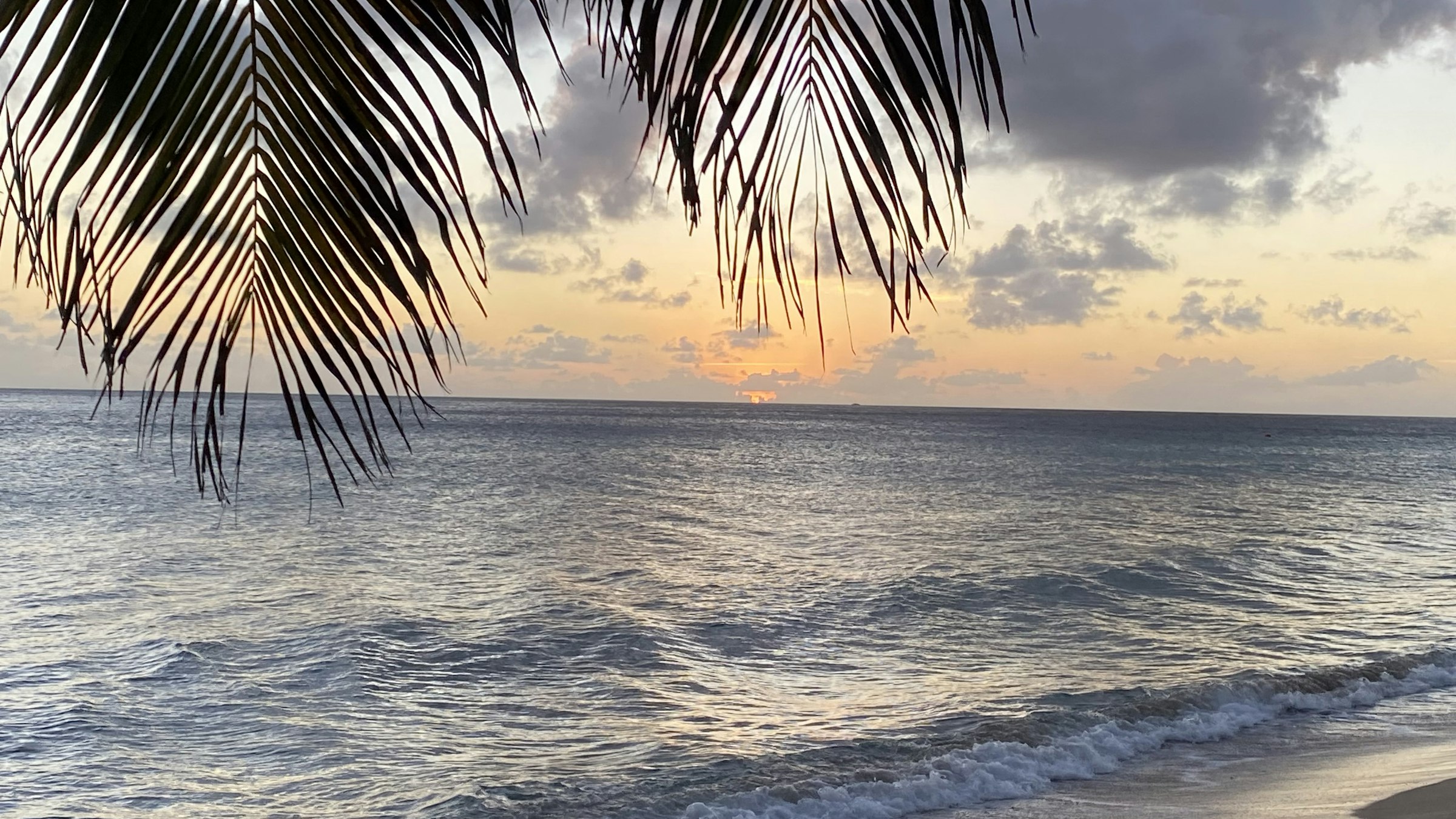
St Kitts & Nevis
A UNESCO fortress, a sugar-train railway, and a two-mile channel to a much quieter island.
Two islands, one small country. St Kitts has the airport, the cruise pier, and the history — including Brimstone Hill, the most impressive fort in the Caribbean — plus a scenic railway built to haul sugar cane. Nevis, across a two-mile channel, is a near-perfect volcanic cone with an old-money quiet to it and almost nothing to do, which is the point. Together they suit people who want a bit of substance with the beach.
Brimstone Hill Fortress is the reason St Kitts stands out: a vast eighteenth-century British fortification 250m up a volcanic hill, UNESCO-listed, with cannon still pointing out over the sea toward Sint Eustatius. The old sugar railway now runs tourists in double-decker carriages around the island's northern edge, which is far better than it sounds. The southeast peninsula holds the beaches and the beach bars, and Mount Liamuiga — a dormant volcano — can be climbed to its crater. Nevis is the counterweight: Pinney's Beach, restored plantation inns, the Hamilton museum in Charlestown, and a hike up Nevis Peak that is short, steep, and genuinely muddy.
The honest part: neither island has knockout beaches by regional standards — they're decent, mostly dark-sand in the north, better on the southeast peninsula. St Kitts gets busy on cruise days around Basseterre. There's limited nightlife and the dining scene is thin outside the hotels. But it's cheaper than St Barths or Anguilla nearby, the history is real, and Nevis in particular is one of the most genuinely relaxing islands in the region.
Highlights
-
Brimstone Hill Fortress
A UNESCO-listed hilltop fortress with the best views and the most history in the eastern Caribbean.
-
St Kitts Scenic Railway
The old sugar-cane line, now a slow double-decker loop around the north coast.
-
Nevis
A volcanic cone across a two-mile channel — plantation inns, Pinney’s Beach, and almost nothing to do.
-
Mount Liamuiga
A dormant volcano climb through rainforest to a crater rim on St Kitts.
-
Southeast Peninsula
Where the good beaches and the beach bars are — Cockleshell Bay looks across at Nevis.
-
Charlestown
Nevis’ tiny Georgian capital, and Alexander Hamilton’s birthplace.
Practical info
- Visa
- Visa-free for most Western passports (typically 90 days). Verify before travel.
- Currency
- East Caribbean Dollar (XCD); US dollars widely accepted.
- Language
- English (official).
- Safety
- Generally safe; ordinary precautions, particularly after dark in Basseterre.
- Getting around
- Rental car or taxis (driving on the left); a frequent ferry links St Kitts and Nevis.
- Tap water
- Tap water is generally safe to drink.
- Plug type
- Type A Type B Type D Type G 230V
- Money
- Cards at hotels and larger restaurants; carry cash for the ferry, buses and small places.
General guidance — visas, safety, and health change, so check your government's travel advisory and the official sources before you go.
Common questions
- When is the best time to visit St Kitts & Nevis?
- St Kitts & Nevis is at its best in December–April. It's best to avoid August, September, October.
- How many days do you need in St Kitts & Nevis?
- Most trips run about 1 week, depending on how much ground you want to cover.
- Is St Kitts & Nevis expensive?
- Plan for budget – mid-range daily spend, depending on how you travel.
- Is St Kitts & Nevis safe for travelers?
- Generally safe; ordinary precautions, particularly after dark in Basseterre.
- Do you need a visa for St Kitts & Nevis?
- Visa-free for most Western passports (typically 90 days). Verify before travel.
If you like St Kitts & Nevis, also consider
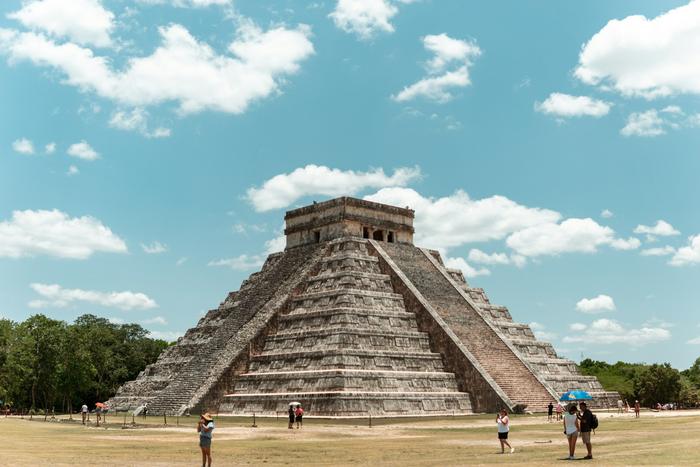
Mexico
Mexico City is world-class. Add the coast, ruins, and food culture.
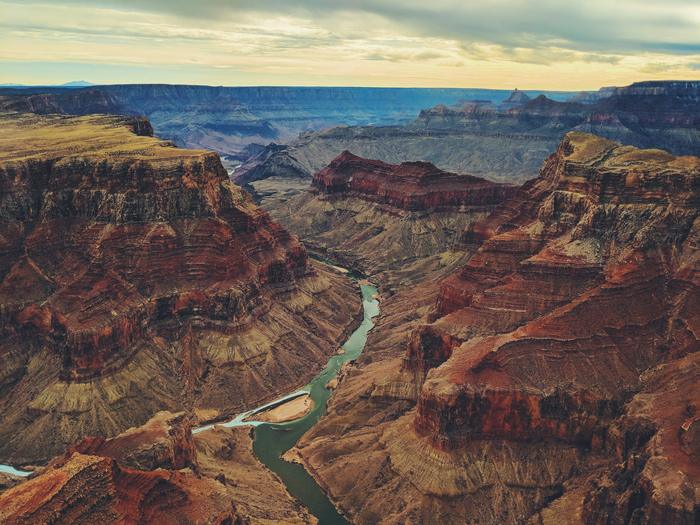
United States
A continent pretending to be a country — cities, deserts, and the best national parks anywhere.
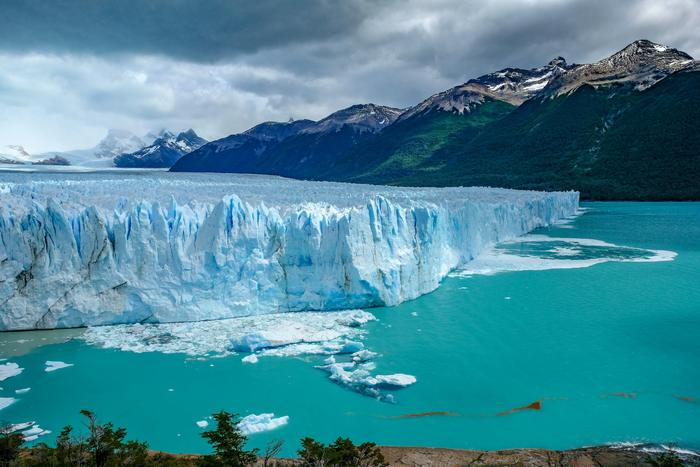
Argentina
Buenos Aires has the best steakhouses and nightlife in South America.
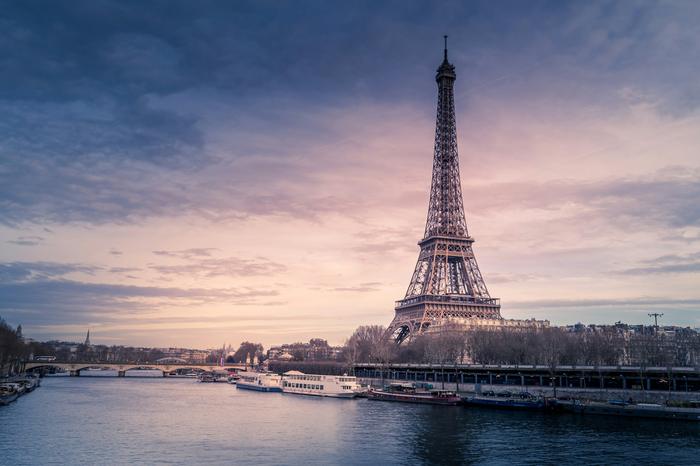
France
Paris is only the opening act — wine country, the Alps, and two coastlines.
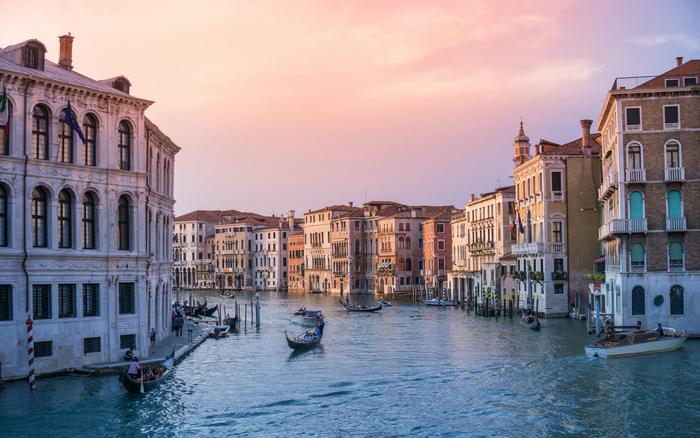
Italy
The benchmark for food, history, and beauty.
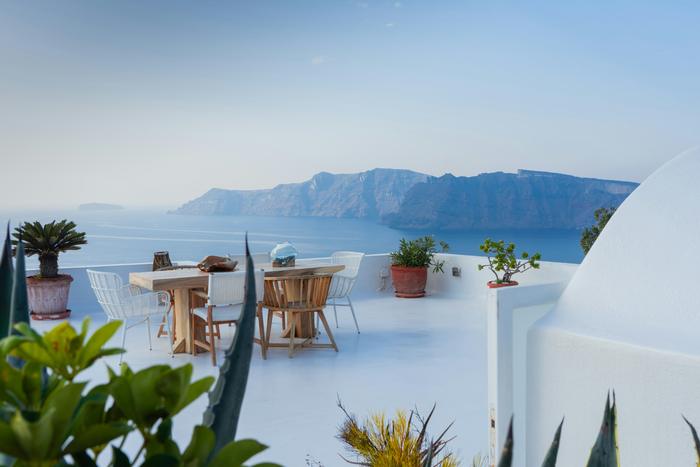
Greece
Ruins in the morning, a swim by noon, taverna until dark.
Not sure where to go
Take the 5-minute quiz
Answer a few honest questions and get matched to destinations that actually fit how you travel.
Start the quiz