St Barths
A French village with superyachts parked outside — the Caribbean’s most expensive small island.
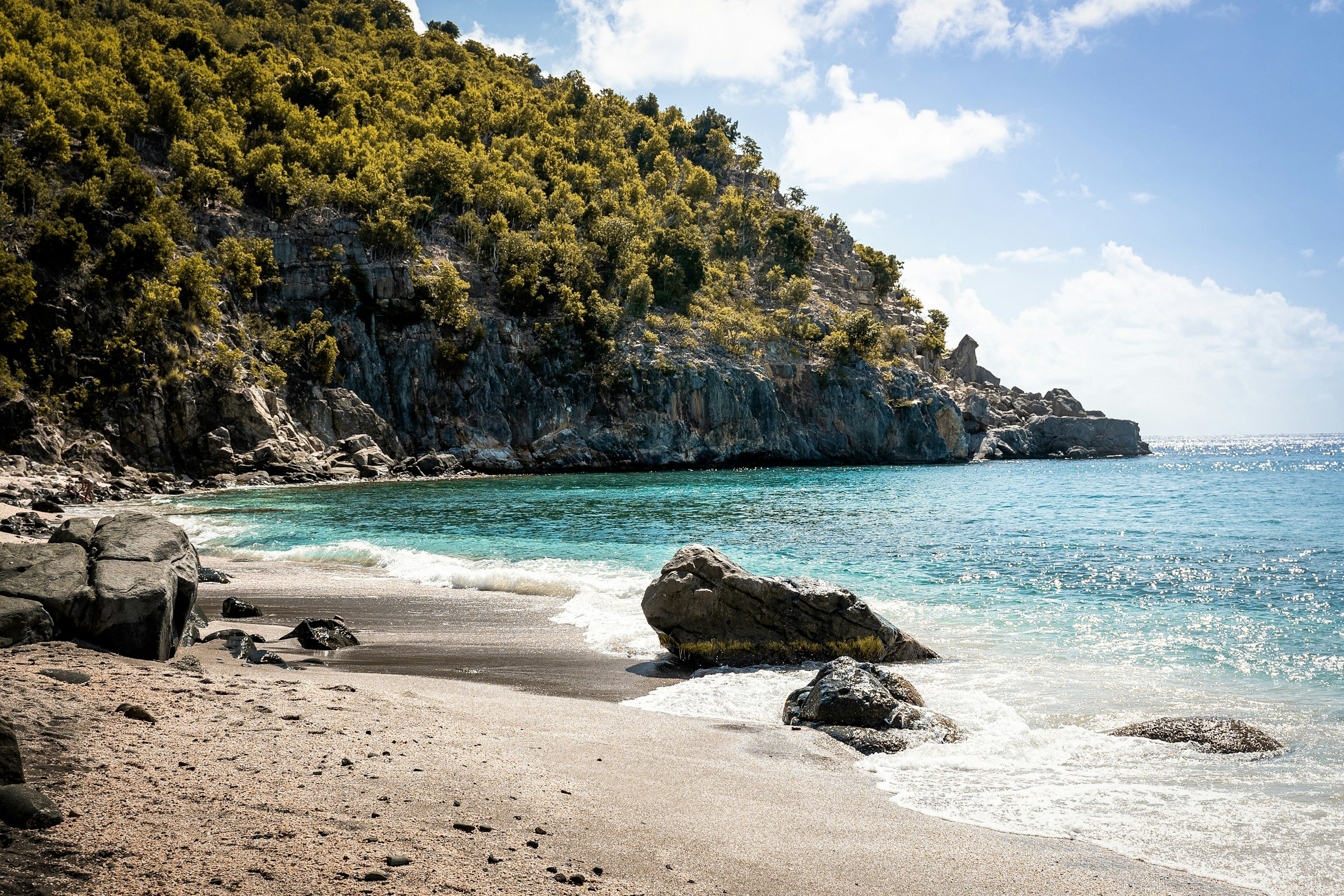
St Barths is eight square miles of steep green hills, red roofs, and very serious money. It is legally French, which means euros, bakeries and proper cooking, and it has spent fifty years positioning itself as the discreet end of Caribbean luxury — no high-rise hotels, no cruise pier, no casinos. The beaches are genuinely excellent and free to everyone. Nearly everything else costs more than you expect.
Gustavia, the harbour capital, is a horseshoe of Swedish-era buildings around a marina that fills each winter with yachts too large for the quay. Above and around it the island is villas: white shutters, red roofs, bougainvillea, and hairpin roads that a small hire car handles better than anything bigger. The beaches carry it — Saline and Gouverneur are undeveloped and backed by scrub rather than hotels, Colombier takes a twenty-minute walk to reach and rewards it, and St Jean is the busy one, with the airstrip's alarming approach running right over the beach. Eating is the other pleasure, from beach clubs to genuinely good French restaurants.
The honest part: this is the most expensive island in the Caribbean, and it is not subtle about it — a modest lunch runs to serious money, and villa rates in high season are extraordinary. The island is small and there is little to do beyond beach, eat, and look at boats; you will exhaust the sights in a day. It gets very crowded and very expensive over New Year. Come out of season, rent a small car, use the free public beaches, and it's far more enjoyable than the reputation suggests.
Highlights
-
Gustavia
A Swedish-era harbour town ringed by superyachts, with the island’s best shopping and dining.
-
Anse de Grande Saline
Undeveloped, dune-backed, and the island’s most beautiful stretch of sand.
-
Colombier Beach
Reachable only by boat or a twenty-minute cliff path — the quiet one.
-
St Jean Beach
The lively beach, with planes dropping over the ridge onto the airstrip behind it.
-
The restaurant scene
Proper French cooking and beach clubs — the reason plenty of people come at all.
-
Nikki Beach & New Year
The scene at its most conspicuous, if that is what you are here for.
Practical info
- Visa
- French overseas collectivity. Visa-free for UK, US, Canada, Australia (90 days); Schengen-style rules for some nationalities.
- Currency
- Euro (EUR); US dollars often accepted at a poor rate.
- Language
- French (official); English widely spoken in hotels and restaurants.
- Safety
- Extremely safe; ordinary precautions only.
- Getting around
- Small rental car is essential (driving on the right) — roads are steep and narrow, so decline the upgrade.
- Tap water
- Tap water is desalinated and safe.
- Plug type
- Type C Type E 230V
- Money
- Cards everywhere; prices in euros, and expect them to be high.
General guidance — visas, safety, and health change, so check your government's travel advisory and the official sources before you go.
Common questions
- When is the best time to visit St Barths?
- St Barths is at its best in December–April. It's best to avoid August, September, October.
- How many days do you need in St Barths?
- Most trips run about 1 week, depending on how much ground you want to cover.
- Is St Barths expensive?
- Plan for premium daily spend, depending on how you travel.
- Is St Barths safe for travelers?
- Extremely safe; ordinary precautions only.
- Do you need a visa for St Barths?
- French overseas collectivity. Visa-free for UK, US, Canada, Australia (90 days); Schengen-style rules for some nationalities.
If you like St Barths, also consider
Mexico
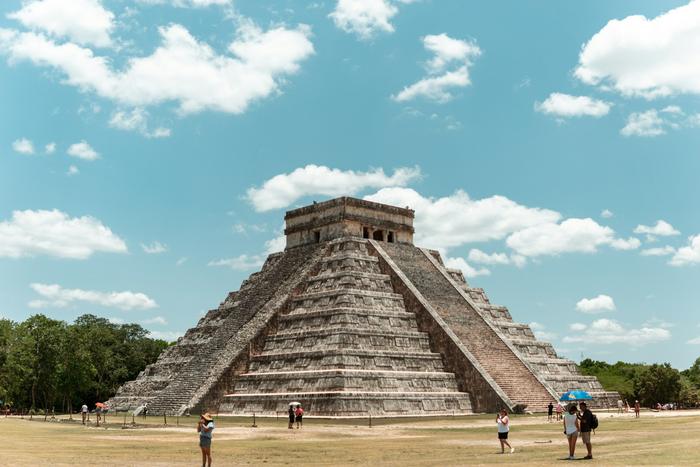
Mexico City is world-class. Add the coast, ruins, and food culture.
United States
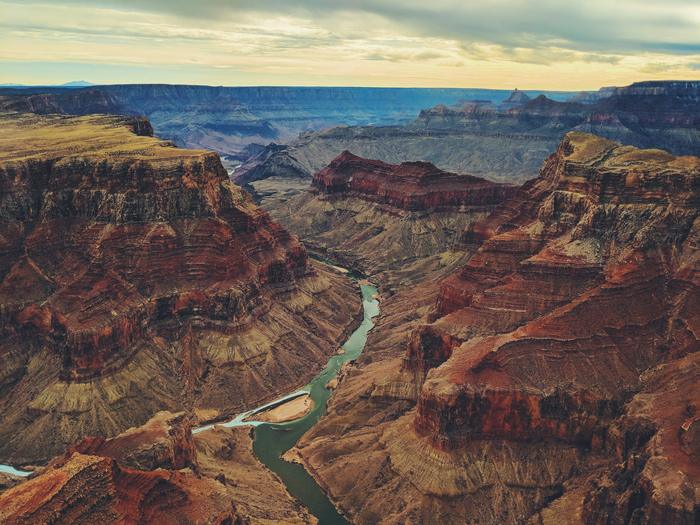
A continent pretending to be a country — cities, deserts, and the best national parks anywhere.
Argentina
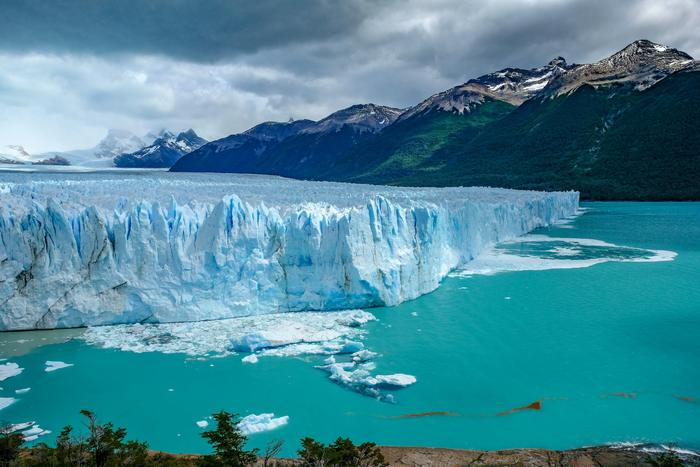
Buenos Aires has the best steakhouses and nightlife in South America.
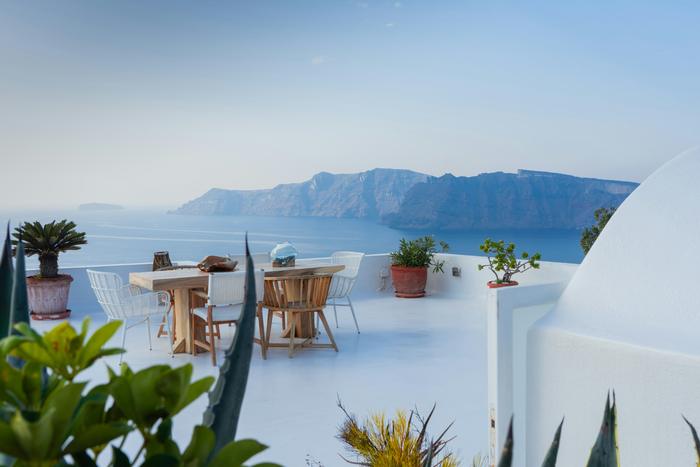
Greece
Ruins in the morning, a swim by noon, taverna until dark.
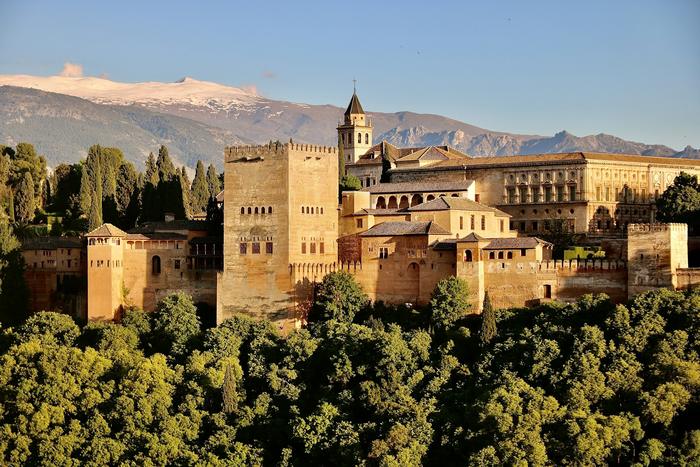
Spain
Food, beaches, and three or four cities that each justify the trip.
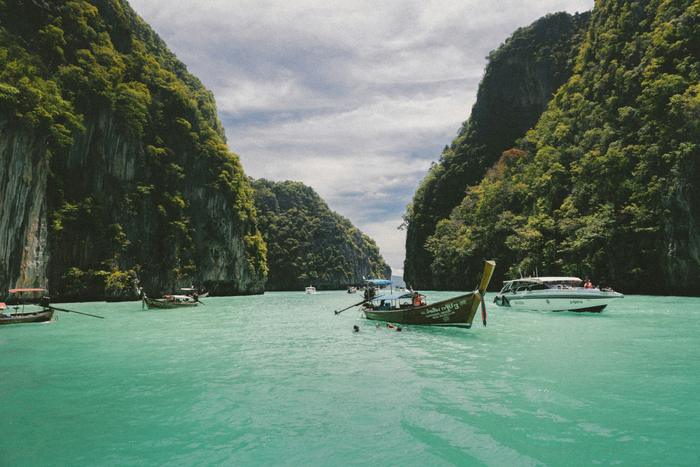
Thailand
The complete package for warm-climate travel.
Not sure where to go
Take the 5-minute quiz
Answer a few honest questions and get matched to destinations that actually fit how you travel.
Start the quiz