Santorini
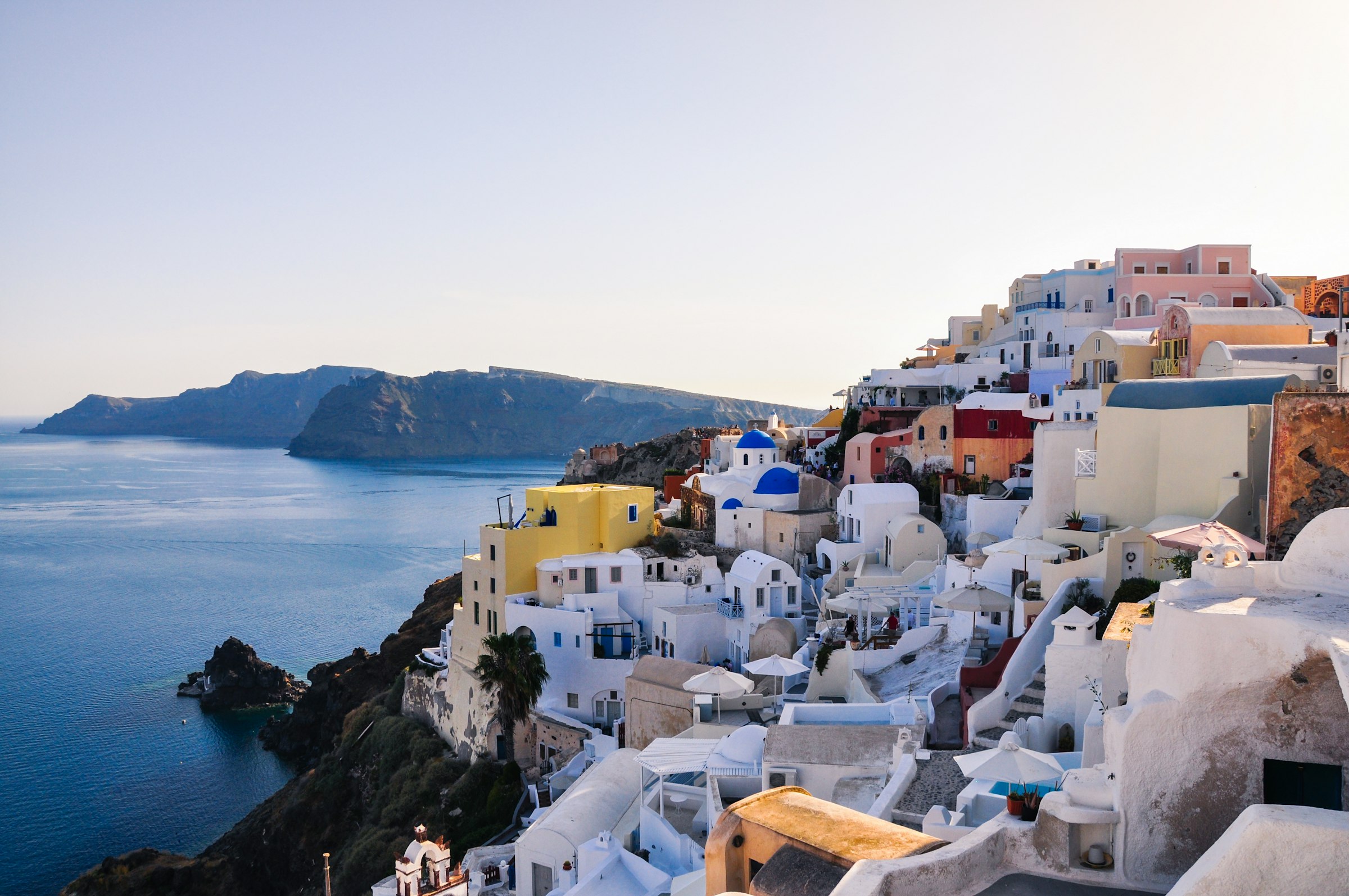
The most photographed view in Greece — a drowned volcano rim of white villages above a blue caldera.
Santorini is a half-sunken volcano, and the trip is built around one thing: the caldera, the flooded crater whose sheer inner wall is lined with white villages that spill down toward a 300-metre drop to the sea. It is the postcard of Greece — blue domes, whitewashed cubes, sunsets people applaud — and it delivers exactly that view. Just know going in that it's a scenery-and-romance destination, not a beach one.
You come for the caldera rim. Oia, on the northern tip, is the famous one — the blue-domed churches, the boutique cave hotels, the sunset that draws a nightly crowd — while Fira, the capital, is busier and better connected. The best of the island is slow: a glass of crisp Assyrtiko at a cliff-edge winery (the volcanic soil makes distinctive wines), a boat trip to the hot springs on the still-steaming volcanic islet in the middle of the bay, and the excavated Bronze Age town at Akrotiri, a Minoan settlement frozen by an eruption. The beaches are volcanic — black sand at Perissa and Kamari, dramatic red cliffs at Red Beach — striking to look at but not the soft-white kind.
The honest part: Santorini is small, expensive, and can be overwhelmed. In July and August the caldera towns are shoulder-to-shoulder, cruise crowds pack Oia for sunset, and prices for those cliff-view rooms are eye-watering. The beaches genuinely aren't the reason to come. And it's a one-note island — the view is spectacular but you'll have seen the essence in a couple of days. Come in the shoulder months, keep it short, pair it with a different Greek island if you want beaches or nightlife, and take the caldera for what it is: one of the most beautiful built landscapes in the Mediterranean.
Highlights
-
Oia at sunset
The blue-domed, cliff-clinging village on the northern tip — the defining view, and the nightly sunset ritual.
-
The caldera rim
White villages strung along the edge of a flooded volcanic crater, with a sheer drop to the sea below.
-
Assyrtiko wineries
Cliff-edge tasting rooms pouring crisp whites grown in the island’s black volcanic soil.
-
Akrotiri
A Bronze Age Minoan town buried and preserved by eruption — Greece’s own Pompeii, remarkably intact.
-
Volcano & hot springs boat trip
Sail to the still-steaming volcanic islet in the middle of the bay and swim in its warm sulphur springs.
-
Volcanic beaches
Black sand at Perissa and Kamari and the red cliffs of Red Beach — dramatic, if not the soft-white kind.
Practical info
- Visa
- Schengen — visa-free for most Western passports (90 days).
- Currency
- EUR (€)
- Language
- Greek; English widely spoken in tourism.
- Safety
- Very safe; take care on cliff paths and with ATV rentals.
- Getting around
- Buses link the main towns; an ATV or car helps. The port and airport get very busy in season.
- Tap water
- Tap water safe in mainland; bottled on smaller islands.
- Plug type
- Type C Type F 230V
- Money
- Cards accepted widely; carry some cash for small tavernas and beaches.
General guidance — visas, safety, and health change, so check your government's travel advisory and the official sources before you go.
Common questions
- When is the best time to visit Santorini?
- Santorini is at its best in April–June, September, October. It's best to avoid January, February, December.
- How many days do you need in Santorini?
- Most trips run about 1 week, depending on how much ground you want to cover.
- Is Santorini expensive?
- Plan for mid-range – premium daily spend, depending on how you travel.
- Is Santorini safe for travelers?
- Very safe; take care on cliff paths and with ATV rentals.
- Do you need a visa for Santorini?
- Schengen — visa-free for most Western passports (90 days).
Compare Santorini with
If you like Santorini, also consider
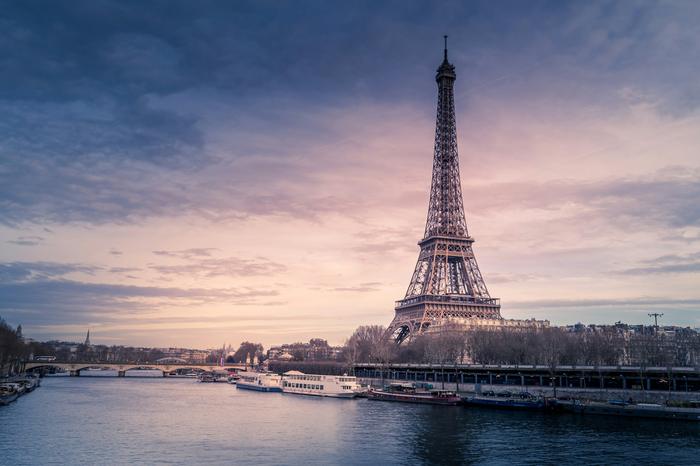
France
Paris is only the opening act — wine country, the Alps, and two coastlines.
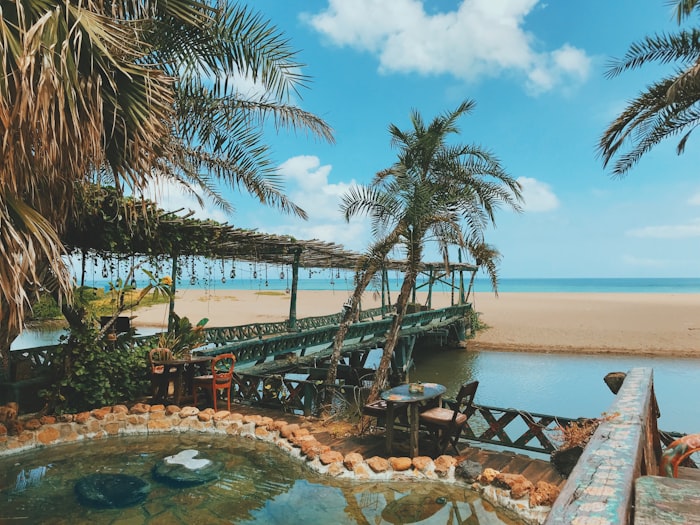
Bali, Indonesia
Warm, affordable, endlessly deep — beach, wellness, and culture in one place.
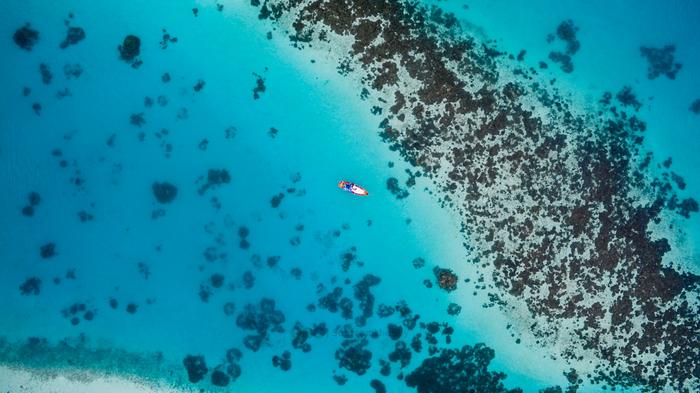
Maldives
One island, one resort, almost nothing to do. That is the point.
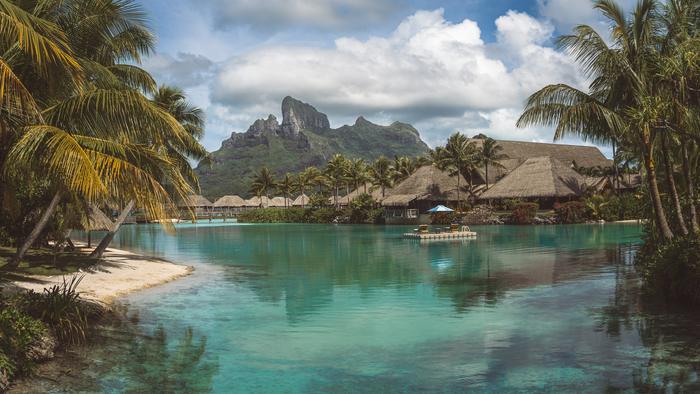
French Polynesia
Overwater bungalows and lagoons in their most expensive form.
Not sure where to go
Take the 5-minute quiz
Answer a few honest questions and get matched to destinations that actually fit how you travel.
Start the quiz