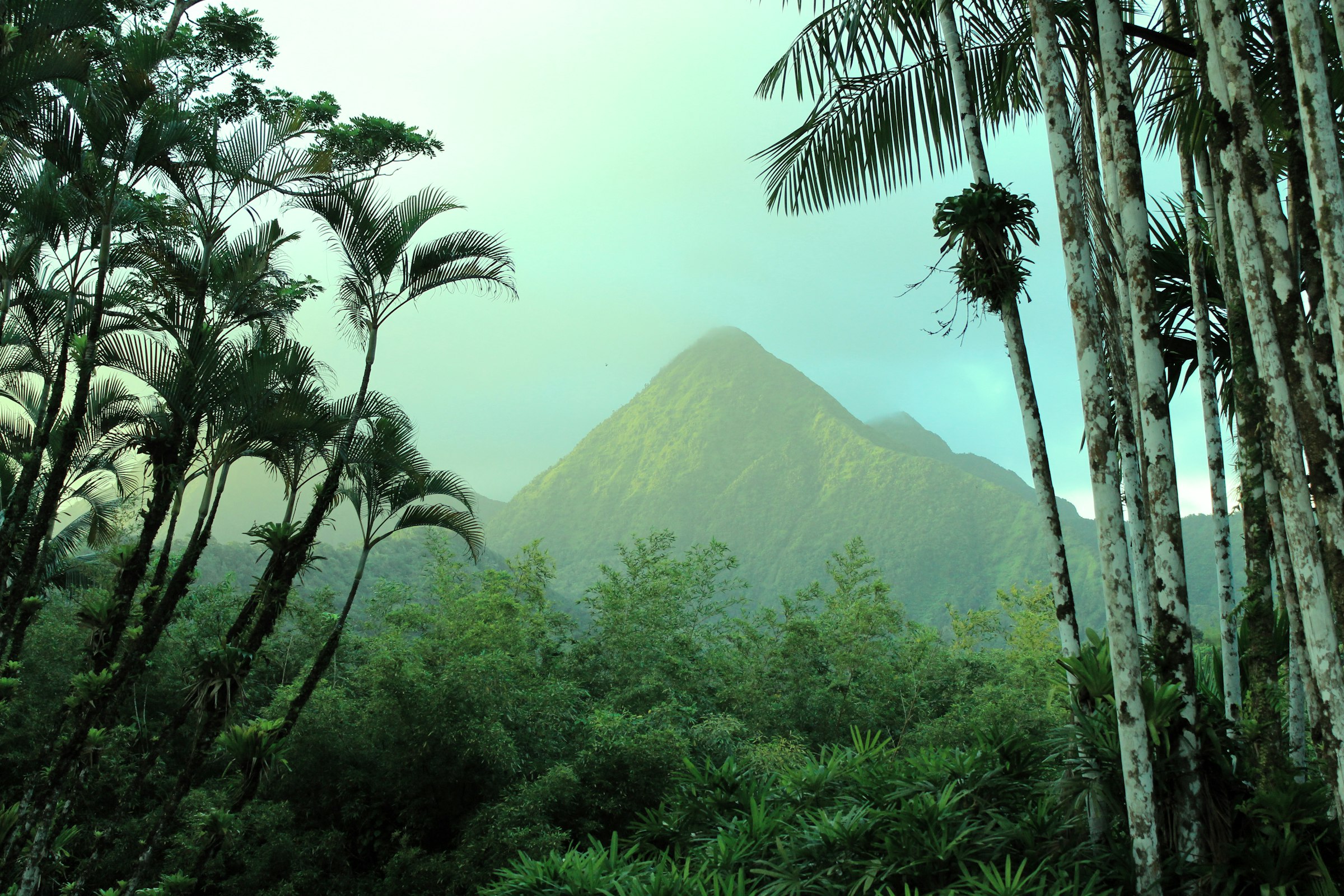
Martinique
France in the tropics — rum distilleries, a volcano, and food that takes itself seriously.
Martinique is a French department that happens to sit in the Caribbean, and that shapes everything: the roads are good, the supermarkets sell proper cheese, the rum is protected by an appellation, and the cooking is a genuine Creole-French hybrid rather than hotel food. It's greener and more mountainous than the flat coral islands, and far less packaged. You'll need some French, and you'll eat very well.
The north is volcanic and dramatic: Mount Pelée looms over Saint-Pierre, the town it destroyed in 1902 in a matter of minutes, and the ruins are still there to walk through. Behind it the Route de la Trace winds through rainforest, and the rhum agricole distilleries — Depaz, Neisson, Clément — run tastings that are closer to a Burgundy cellar visit than a Caribbean booze cruise. The south is where the beaches are, and Les Salines near Sainte-Anne is the best of them: a long curve of pale sand backed by palms, busy at weekends, empty on a Tuesday.
The honest part: this is not an easy island if you have no French — outside the resorts, English is limited, and that's a real barrier in restaurants and shops. It's also a working island of 350,000 people rather than a resort strip, so there's traffic around Fort-de-France and the beaches take driving to reach. Prices are European, not budget-Caribbean. But if you want an island with a volcano, a food culture, and something to do besides lie down, it's among the best in the region.
Highlights
-
Les Salines
The island’s best beach — a long palm-backed curve at the southern tip.
-
Mount Pelée & Saint-Pierre
The volcano that erased a town in 1902; you can hike it and walk the ruins below.
-
Rhum agricole distilleries
Cane-juice rum with its own appellation — Depaz, Neisson and Clément all run serious tastings.
-
Route de la Trace
A winding rainforest road through the mountainous interior, built by the Jesuits.
-
Les Anses-d’Arlet
A photogenic fishing village with a church, a jetty, and turtles in the bay.
-
Fort-de-France markets
Spice, rum and produce halls in the capital — the island at its most everyday.
Practical info
- Visa
- Part of France/EU — Schengen rules apply. Visa-free for UK, US, Canada, Australia (90 days).
- Currency
- Euro (EUR).
- Language
- French (official) and Martinican Creole. English is limited outside hotels — bring some French.
- Safety
- Generally safe; ordinary precautions, with the usual care around Fort-de-France after dark.
- Getting around
- Rental car is close to essential (driving on the right); roads are good but mountainous in the north.
- Tap water
- Tap water is safe to drink.
- Plug type
- Type C Type E 230V
- Money
- Cards widely accepted; French banking, so ATMs are plentiful.
General guidance — visas, safety, and health change, so check your government's travel advisory and the official sources before you go.
Common questions
- When is the best time to visit Martinique?
- Martinique is at its best in December–April. It's best to avoid August, September, October.
- How many days do you need in Martinique?
- Most trips run 1–2 weeks, depending on how much ground you want to cover.
- Is Martinique expensive?
- Plan for budget – mid-range daily spend, depending on how you travel.
- Is Martinique safe for travelers?
- Generally safe; ordinary precautions, with the usual care around Fort-de-France after dark.
- Do you need a visa for Martinique?
- Part of France/EU — Schengen rules apply. Visa-free for UK, US, Canada, Australia (90 days).
If you like Martinique, also consider
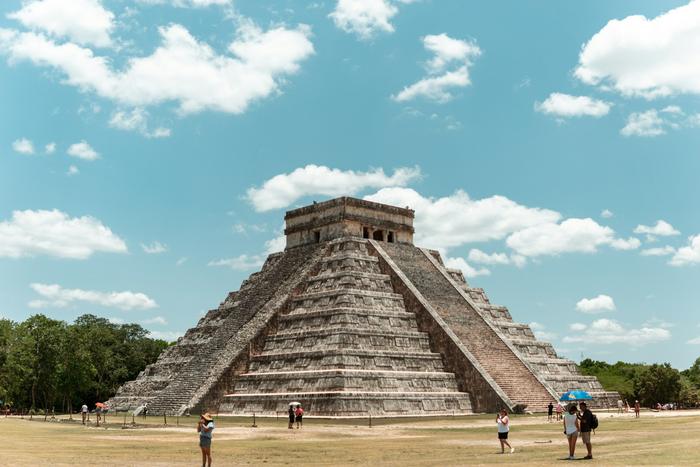
Mexico
Mexico City is world-class. Add the coast, ruins, and food culture.
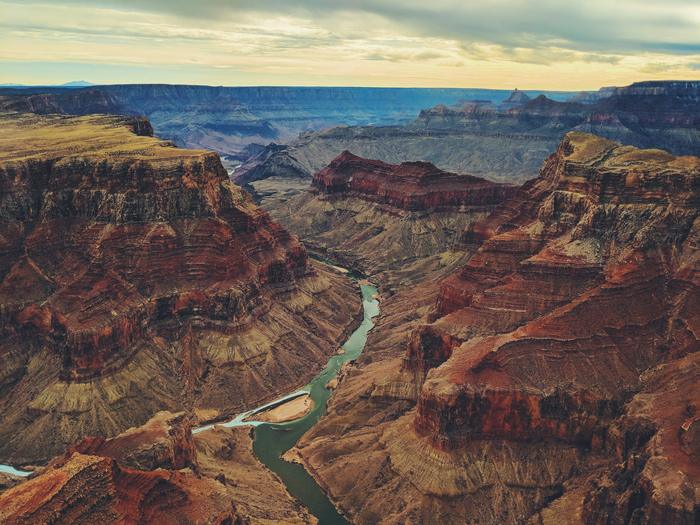
United States
A continent pretending to be a country — cities, deserts, and the best national parks anywhere.
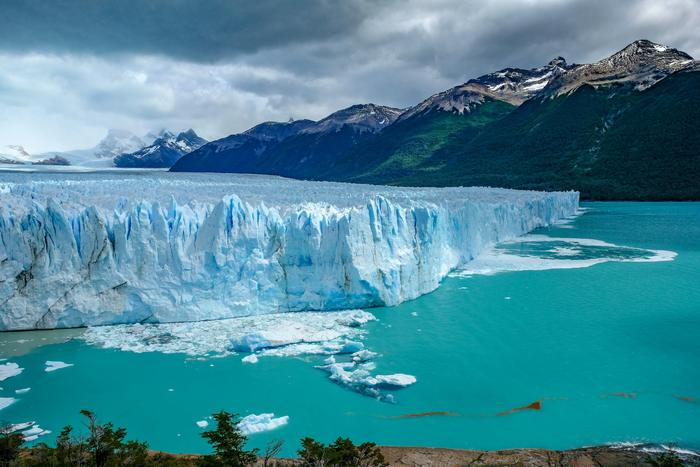
Argentina
Buenos Aires has the best steakhouses and nightlife in South America.
Greece
Ruins in the morning, a swim by noon, taverna until dark.
Spain
Food, beaches, and three or four cities that each justify the trip.
Thailand
The complete package for warm-climate travel.
Not sure where to go
Take the 5-minute quiz
Answer a few honest questions and get matched to destinations that actually fit how you travel.
Start the quiz