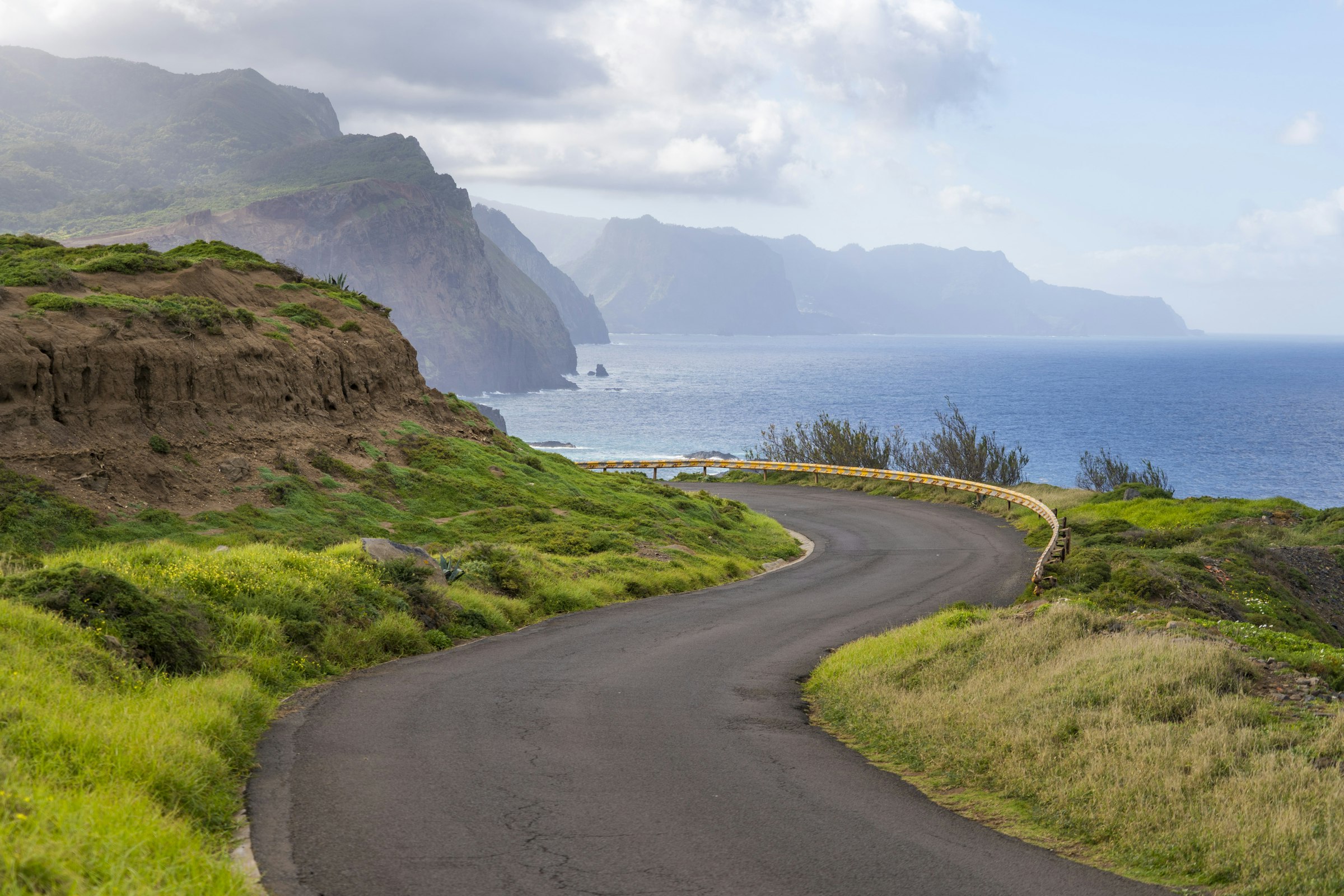
Madeira
A steep, green volcanic island in the Atlantic — spring-like all year and built for walkers.
Madeira is a mountain that rises straight out of the Atlantic off the coast of Africa — a Portuguese island of near-vertical green ridges, cloud forest, and a coastline of black volcanic rock. It has no real beaches to speak of and doesn't pretend to; the draw is the walking. A subtropical climate keeps it mild and flowering all year, and a network of levada trails threads the whole island, making it one of Europe's best hiking destinations without the seasonal lock.
Base in Funchal, the handsome capital that tumbles down to the harbour, then head up and out. The set-piece hike is the ridge walk from Pico do Arieiro to Pico Ruivo, along the spine of the island above the clouds. The levadas — centuries-old irrigation channels — come with flat paths beside them, so you can walk for hours on gentle grades through the ancient laurisilva cloud forest (a UNESCO site) or out to remote waterfalls. Elsewhere there's the eerie burnt woodland of Fanal, the natural volcanic swimming pools at Porto Moniz, the knife-edge Ponta de São Lourenço peninsula, and the local drinks — poncha and Madeira wine. It's compact enough to see a lot in a week, but the roads are steep and winding, so a car or transfers help.
The honest part: don't come for a beach holiday — there's almost no sand, the sea is cool and rough, and swimming means volcanic pools or lidos. The weather is a genuine variable: the north and the peaks catch cloud and rain while the south stays sunny, and a booked ridge walk can vanish into fog, so flexibility matters. Nightlife is quiet and it skews toward an older, walking-and-gardens crowd. But for hikers it's outstanding value and works nearly year-round — spring-like in January, warm through October — which almost nowhere else in Europe manages.
Highlights
-
Pico do Arieiro to Pico Ruivo
The island’s great ridge walk, along the spine of the peaks above a sea of cloud.
-
Levada trails
Flat paths beside centuries-old irrigation channels lead through cloud forest to hidden waterfalls.
-
Funchal
The capital: a harbour city of gardens, markets, a cable car, and toboggan runs down the hillside.
-
Fanal forest
A high plateau of ancient, twisted laurel trees that turns otherworldly when the mist rolls in.
-
Porto Moniz
Natural swimming pools carved into black volcanic rock on the wild northwest coast.
-
Ponta de São Lourenço
A bare, wind-scoured peninsula of red-and-ochre cliffs at the island’s eastern tip — its best coastal walk.
Practical info
- Visa
- Portugal (Schengen) — visa-free for most Western passports (90 days). Verify before travel.
- Currency
- EUR (€).
- Language
- Portuguese; English widely spoken in tourism.
- Safety
- Very safe; ordinary precautions only.
- Getting around
- Rent a car or use transfers — roads are steep and winding; buses are slow between villages.
- Tap water
- Tap water is safe.
- Plug type
- Type C Type F 230V
- Money
- Cards accepted widely.
General guidance — visas, safety, and health change, so check your government's travel advisory and the official sources before you go.
Common questions
- When is the best time to visit Madeira?
- Madeira is at its best in April–October.
- How many days do you need in Madeira?
- Most trips run about 1 week, depending on how much ground you want to cover.
- Is Madeira expensive?
- Plan for budget daily spend, depending on how you travel.
- Is Madeira safe for travelers?
- Very safe; ordinary precautions only.
- Do you need a visa for Madeira?
- Portugal (Schengen) — visa-free for most Western passports (90 days). Verify before travel.
Compare Madeira with
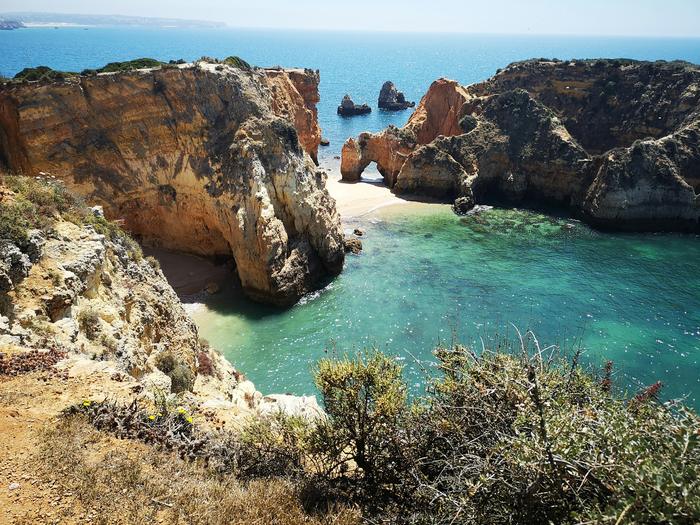
If you like Madeira, also consider
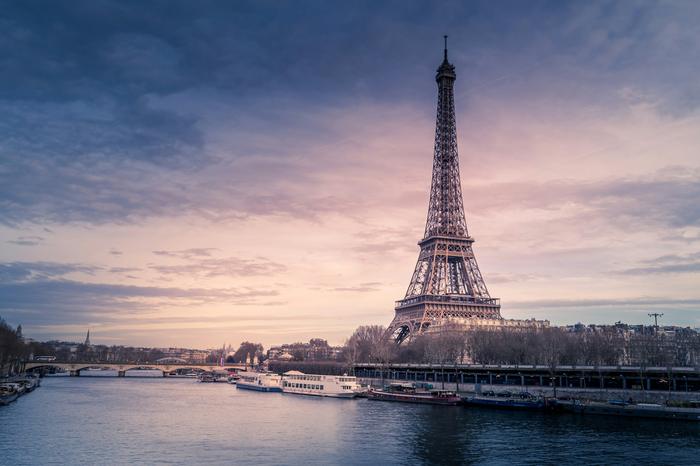
France
Paris is only the opening act — wine country, the Alps, and two coastlines.
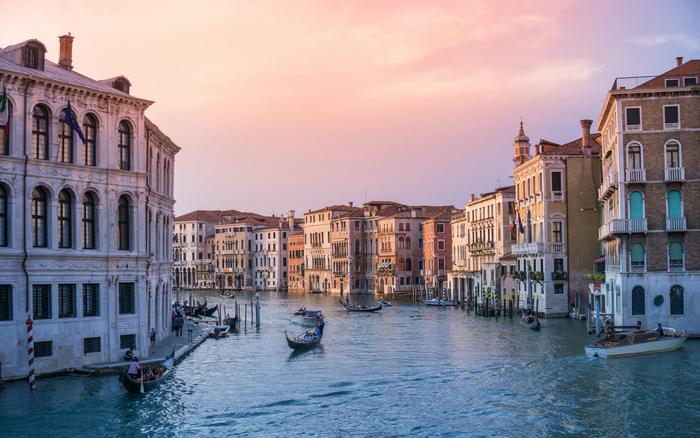
Italy
The benchmark for food, history, and beauty.
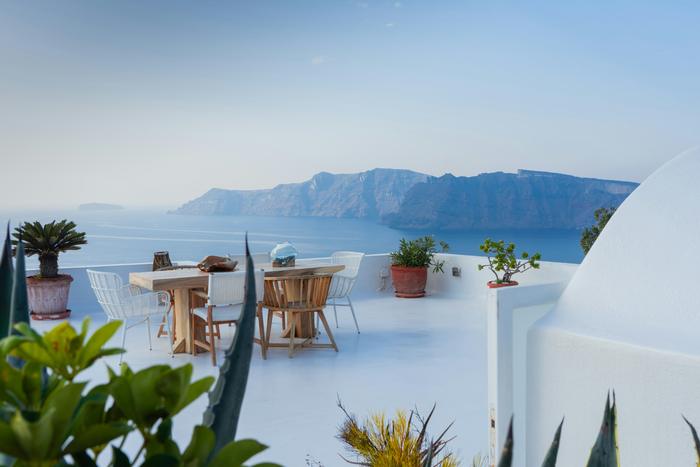
Greece
Ruins in the morning, a swim by noon, taverna until dark.
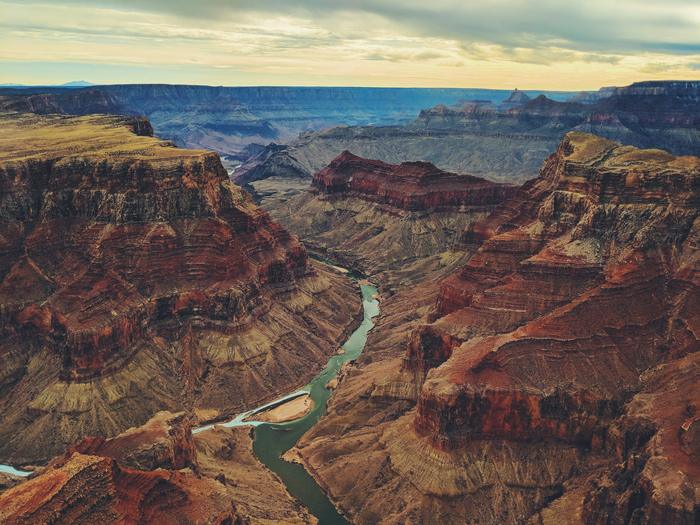
United States
A continent pretending to be a country — cities, deserts, and the best national parks anywhere.
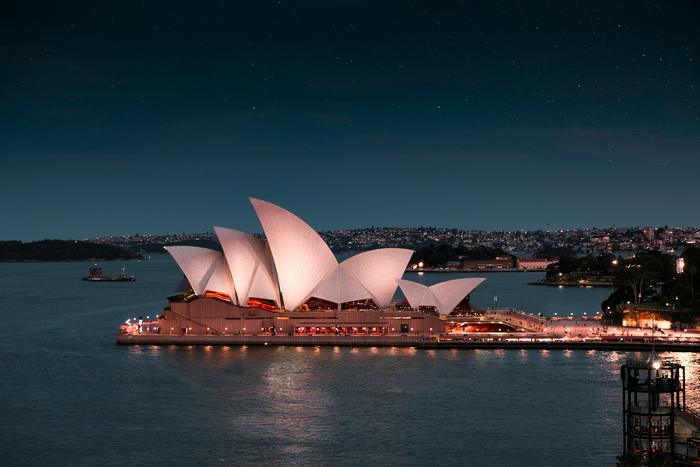
Australia
Vast, varied, relaxed. Reef, Sydney, and proper wilderness in one.
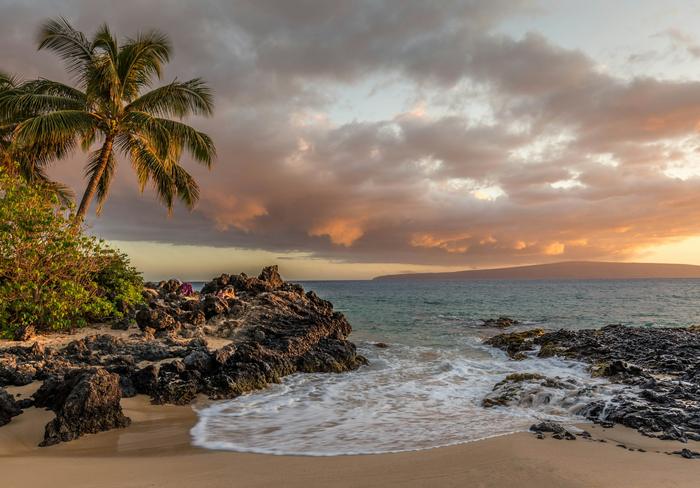
Hawaii
A handful of islands where the landscapes and the ocean genuinely earn the flight.
Not sure where to go
Take the 5-minute quiz
Answer a few honest questions and get matched to destinations that actually fit how you travel.
Start the quiz