Lapland
The Arctic winter fantasy made real — northern lights, huskies, snow, and the original Santa.
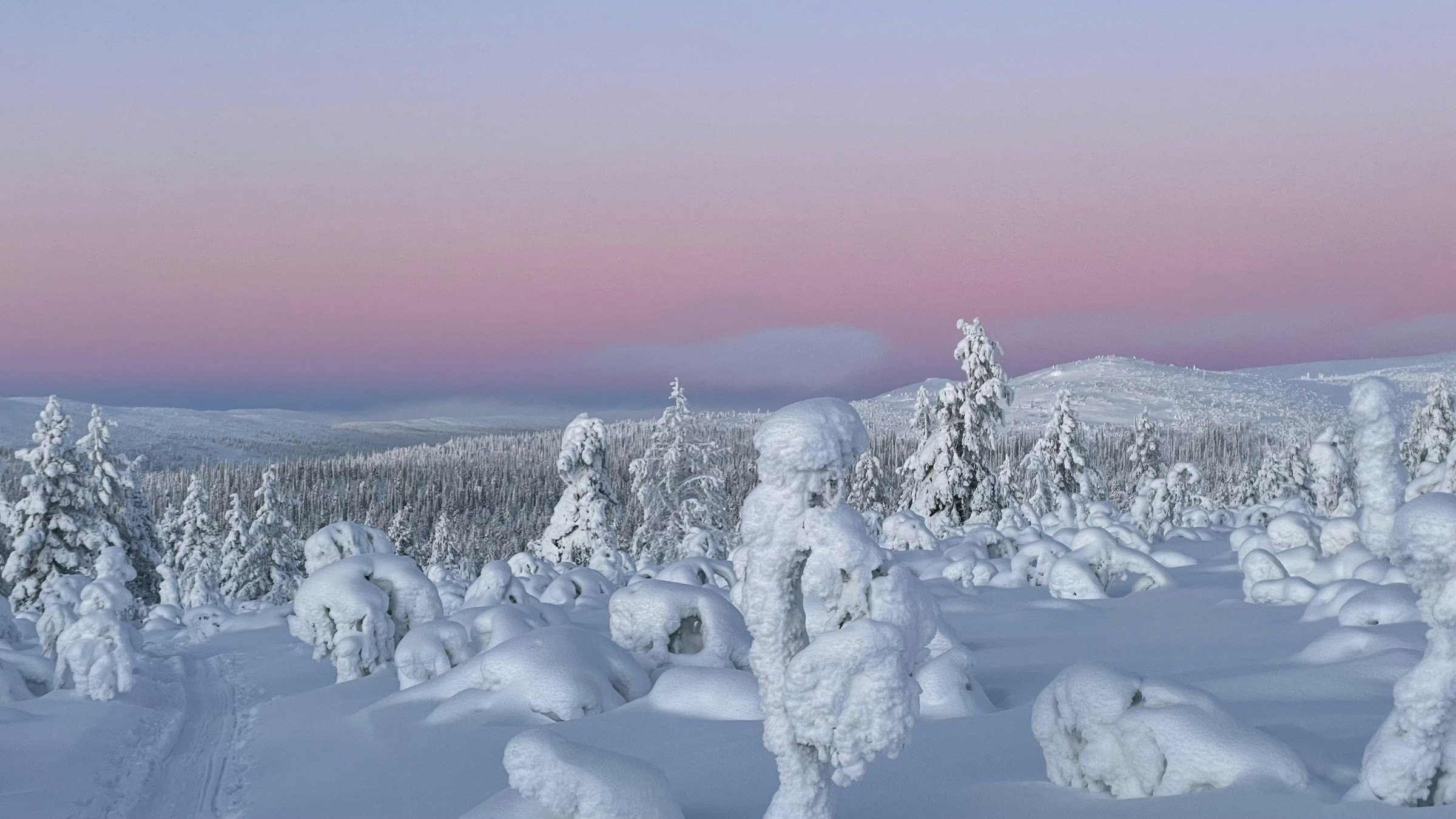
Lapland is the far north of Finland (spilling into Sweden and Norway), and it's Europe's winter wonderland in the most literal sense: a vast, silent expanse of frozen forest and fell where the sun barely rises in midwinter, the snow lies deep for months, and the northern lights ripple overhead. It's built almost entirely around one season and one dream — a proper Arctic winter of huskies, reindeer, and aurora — and it delivers it about as well as anywhere on earth.
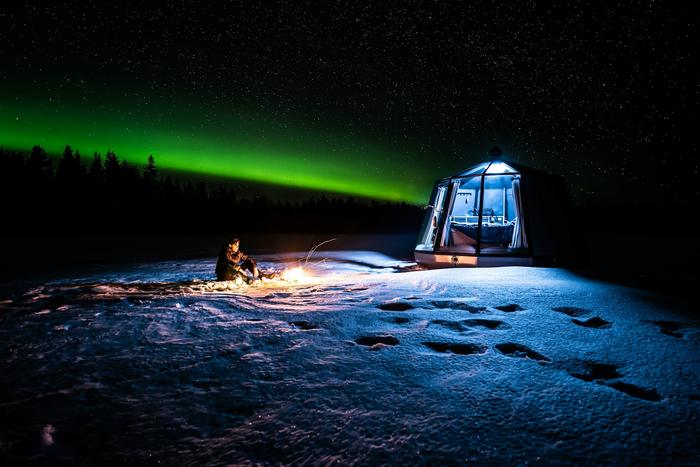
Winter is the main event. You base in a wilderness lodge or a resort like Levi, Saariselkä, or around Rovaniemi and fill the short blue days with the classics: husky-sled and reindeer-sleigh rides, snowmobiling across frozen lakes, snowshoeing through forests weighed down with snow, and — the reason most people come — hunting the aurora, ideally from a glass-roofed igloo or on a night safari away from the lights. Rovaniemi doubles as the 'official' home of Santa Claus, which makes Lapland a bucket-list family trip in December. Come in high summer instead and it flips completely: 24-hour daylight, the midnight sun, and long hikes and canoe trips through empty wilderness under a sun that never sets.
The honest part: this is an expensive, weather-dependent, and specific trip. The aurora is never guaranteed — you're chasing clear, dark, active skies and can go home without seeing it — and winter activities and glass igloos are pricey, so it adds up fast. The cold is real (well below freezing), the winter days are extremely short, and outside the snow and the midsummer light there isn't much conventional 'sightseeing'. But if the Arctic winter is the dream — snow, silence, huskies, and green light in the sky — few places do it more reliably or more magically.
Highlights
-
Northern lights
Aurora over the frozen north on clear, dark nights from roughly September to March — the main draw.
-
Husky & reindeer sledding
Mushing a dog team through snowy forest, and reindeer sleigh rides with Sámi herders.
-
Glass igloos & snow hotels
Sleep under the aurora in a glass-roofed cabin, or in a hotel carved fresh from ice each winter.
-
Rovaniemi & Santa
The "official" hometown of Santa Claus on the Arctic Circle — a bucket-list December trip for families.
-
Snowmobiling & snowshoeing
Cross frozen lakes by snowmobile or walk silent, snow-laden forests on snowshoes.
-
The midnight sun
Come in summer and the sun never sets — 24-hour daylight for hiking and canoeing the empty wilderness.
Practical info
- Visa
- Finland (Schengen) — visa-free for most Western passports (90 days). Verify before travel.
- Currency
- EUR (€).
- Language
- Finnish (and Sámi languages); English widely spoken.
- Safety
- Very safe; the real risk is the cold — dress for serious sub-zero temperatures.
- Getting around
- Fly to Rovaniemi, Kittilä, or Ivalo; lodges arrange transfers and activities. A car helps but roads are snowy.
- Tap water
- Tap water is safe — among the cleanest anywhere.
- Plug type
- Type C Type F 230V
- Money
- Cards accepted everywhere, even for small purchases.
General guidance — visas, safety, and health change, so check your government's travel advisory and the official sources before you go.
Common questions
- Do I need a visa for Lapland?
- No — Finland, Sweden and Norway are all Schengen, so US, UK, Canadian and Australian visitors are visa-free 90/180 and can cross between them freely. EES is live; ETIAS is not yet in force (expected 2027). Note three currencies (euro, krona, krone). See entry.
- When can I see the Northern Lights?
- Roughly late August to early April — whenever the nights are dark enough — with the peak in deep winter. You need darkness, clear skies and solar activity, so get away from town lights. See the aurora.
- Where do I go for Santa?
- Rovaniemi in Finnish Lapland, the "official hometown of Santa Claus," with Santa Claus Village right on the Arctic Circle. See Rovaniemi & Santa.
- What’s the best aurora spot?
- Abisko in Swedish Lapland is famous for unusually clear skies; Tromsø in Norway is a big hub; and Finnish Lapland offers glass igloos to watch from bed. See the aurora.
- Summer or winter?
- Winter (December–March) for snow, aurora, Santa, huskies and reindeer; summer (June–August) for the midnight sun and hiking, with the autumn "ruska" foliage in September. See when to go.
- Is it expensive?
- Yes — Nordic price levels across all three countries (Norway priciest), and winter is peak, with Christmas in Rovaniemi especially dear. See money & culture.
Entry
Three Schengen countries, three currencies
One Arctic region — cross the borders freely.
Lapland spans the Arctic north of three countries — Finland, Sweden and Norway — all of which are in Schengen (Norway, though non-EU, included), so US, UK, Canadian and Australian visitors move freely on a single visa-free 90/180 allowance. The biometric EES is live; ETIAS isn’t yet in force (expected 2027).
The one practical catch is money: the three countries use different currencies — the euro in Finland, the krona in Sweden, the krone in Norway — though cards work near-universally, so it’s rarely a real hassle.
Crossing between the Finnish, Swedish and Norwegian parts is seamless (all Schengen), but keep the three currencies in mind — card payment covers most of it. Re-check ETIAS nearer travel since its date keeps slipping; it isn’t required now. Most trips centre on Finnish Lapland (Rovaniemi) and dip into the others for specific sights.
The aurora
The Northern Lights, chased right
The headline draw — with the odds explained.
late Aug–early Apr the Northern Lights season
The Northern Lights are why many people come, and the key is managing expectations: they appear only when it’s dark (so roughly late August to early April, never midsummer), and only when skies are clear and solar activity cooperates. No one can guarantee them on a given night, so give yourself several nights.
Location helps the odds. Inland Abisko in Sweden sits in a rain-shadow "blue hole" of unusually clear skies; Tromsø in Norway is well inside the auroral oval (if cloudier); and Finnish Lapland’s glass igloos let you watch in comfort. The current solar maximum has made recent winters especially active.
| Where | Why | Note |
|---|---|---|
| Abisko (Sweden) | Famously clear "blue hole" skies | The Aurora Sky Station on Mt Nuolja |
| Tromsø (Norway) | Deep in the auroral oval | A big tour scene; cloudier coast |
| Finnish Lapland | Rovaniemi, Saariselkä, Levi | Glass igloos to watch from bed |
| The season | Dark, clear nights | ~late Aug–early Apr; peak in winter |
No aurora around midsummer — the sky is simply too bright. Give yourself several nights to beat the clouds.
Build in several dark nights and be ready to chase clear skies — the single biggest factor is cloud, not the aurora itself. For the best odds pick inland Abisko or Finnish Lapland over the cloudier coast, and remember there’s no aurora in the bright midsummer months whatever the forecast.
Rovaniemi & Santa
The official home of Santa Claus
Finnish Lapland’s gateway — and a Christmas industry.
Rovaniemi, the capital of Finnish Lapland, is the region’s main gateway and leans hard into its branding as the "official hometown of Santa Claus." Just north of town, Santa Claus Village straddles the Arctic Circle line — free to enter, with Santa’s Office, the famous Post Office and the obligatory Arctic Circle crossing.
It’s also the base for the signature Lapland stay: a heated glass igloo or aurora cabin, built so you can watch for the Northern Lights from your bed. For families chasing the Santa experience, this is the hub — busy and commercial, but hard to beat for first-timers who want the lights, the reindeer and the big man himself all within reach.
Winter
Huskies, reindeer and ice
The classic Lapland holiday — built on snow.
rebuilt yearly the ICEHOTEL at Jukkasjärvi, Swedish Lapland
Winter is the main event, and the menu is irresistible: husky sledding through snowy forest, reindeer sleigh rides (often run by the Sámi herders), snowmobile safaris, and nights in the famous ICEHOTEL at Swedish Jukkasjärvi, rebuilt in ice each year.
For downhill, the Finnish fells of Levi (the biggest and busiest, a World Cup slalom venue) and Ylläs offer skiing plus vast cross-country trails, while ice-fishing on a frozen lake is the quiet counterpoint.
| Activity | What | Note |
|---|---|---|
| Husky sledding | Dog-sled safaris | A Lapland staple |
| Reindeer sleigh | A gentle, often Sámi-run ride | Frequently with the herders themselves |
| Snowmobiling | Cover ground fast | Guided safaris |
| ICEHOTEL | The ice hotel at Jukkasjärvi (Sweden) | Rebuilt each winter; year-round ICEHOTEL 365 |
Ski the fells at Levi (Finland’s biggest) or Ylläs, and try ice-fishing on the frozen lakes.
Most winter activities are sold as guided safaris with pick-up, so you don’t need a car to do them — book the headline ones (huskies, the ICEHOTEL, a glass igloo) well ahead, as they sell out in the Christmas and February–March peaks. Dress for genuine cold: −10 to −30°C is normal.
Sámi culture
The people of the north
Lapland is Sápmi — the homeland of the Sámi.
Behind the Santa branding, Lapland is Sápmi — the homeland of the Sámi, the only Indigenous people of the European Union, whose culture is bound up with reindeer herding. The centre of Finnish Sámi life is Inari, home to the Sámi Parliament and the excellent Siida museum of Sámi life and nature.
Engaging with it respectfully matters: choose Sámi-owned or Sámi-led experiences over staged costume tourism, buy authentic Duodji handicraft rather than mass-produced imitations, ask before photographing people or reindeer work, and use the term "Sámi" (the old "Lapp" is considered outdated). Done well, a Sámi-led reindeer visit or a stop at Siida is the most grounding, memorable part of a Lapland trip — the living culture beneath the Christmas gloss.
Getting around
Northern airports, a Santa train, a hire car
Easy to reach — and tours do the heavy lifting.
Finnish Lapland is well served by air — Rovaniemi, Kittilä (for Levi/Ylläs) and Ivalo (for Saariselkä/Inari), with winter direct flights from several European cities — while Kiruna serves Swedish Lapland and Tromsø the Norwegian Arctic. The characterful alternative is the overnight Santa Claus Express train from Helsinki, sleeper cabins and all.
On the ground, most winter activities come as guided tours with hotel pick-up, so a car isn’t essential; if you do drive, studded winter tyres are legally required, roads can be icy, and reindeer (and elk) wander onto them, especially at dawn and dusk.
When to go
Winter for snow, summer for light
Two opposite Arctic seasons — pick your Lapland.
Winter (Dec–Mar) is peak — snow, aurora, Santa and the husky/reindeer/snowmobile world (−10 to −30°C); late Feb–March adds daylight to reliable snow. Summer (Jun–Aug) brings the midnight sun and hiking (and mosquitoes); September is the brief "ruska" foliage season.
Winter (December–March) is the classic Lapland trip — snow, the aurora, Santa, and all the husky-reindeer-snowmobile activities — peaking around Christmas and again in February–March, when lengthening days meet reliable snow. Deep midwinter is darkest and coldest (down toward −30°C).
Summer (June–August) is the other Lapland entirely: the midnight sun, hiking in parks like Pallas-Yllästunturi, milder temperatures (and peak mosquitoes inland), with the brief, fiery "ruska" autumn colours arriving in September.
Money & culture
Nordic prices, three currencies
Expensive, especially in winter — plan and book early.
Lapland is expensive — Nordic price levels across food, lodging and activities in all three countries, with Norway typically the dearest. Winter is both peak season and peak price, and Christmas in Rovaniemi in particular commands premium rates, with the glass igloos and Santa packages selling out months in advance.
Practically, remember the three currencies (euro, krona, krone) as you cross borders — though cards cover nearly everything — and that the region’s culture is layered: the Christmas-and-aurora tourism on top, the living Sámi homeland beneath.
- Aurora, Santa and snowSkipa summer trip for thoseGoDecember–March (peak winter)
- The clearest aurora oddsSkipthe cloudy coast onlyGoinland Abisko (Sweden) or Finnish Lapland
- The midnight sun and hikingSkipthe dark winterGoJune–August (and September "ruska" colours)
| On the bill | Detail | Note |
|---|---|---|
| Currencies | Euro / krona / krone | Finland euro; Sweden SEK; Norway NOK |
| Price level | Nordic — expensive | Norway usually the priciest |
| Winter peak | Christmas in Rovaniemi is dear | Glass igloos book out months ahead |
Cards work everywhere; all three countries are Schengen, so crossing between them is seamless.
Book the winter headline experiences early — glass igloos, the ICEHOTEL and Santa-season beds go months ahead and cost the most around Christmas. Budget for Nordic prices and keep the three currencies in mind, and if value matters, Finnish Lapland generally undercuts the Norwegian side.
Compare Lapland
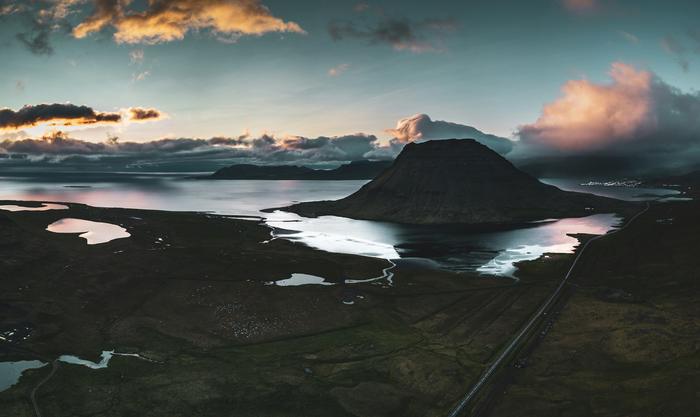
If you like Lapland, also consider

France
Paris is only the opening act — wine country, the Alps, and two coastlines.

Italy
The benchmark for food, history, and beauty.

Greece
Ruins in the morning, a swim by noon, taverna until dark.
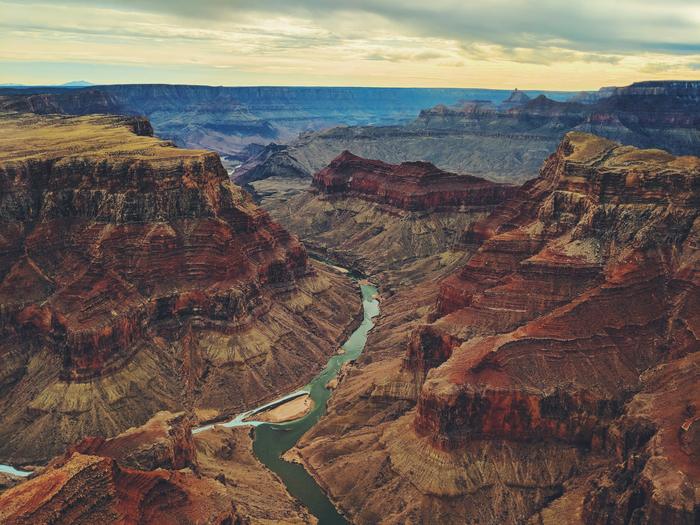
United States
A continent pretending to be a country — cities, deserts, and the best national parks anywhere.
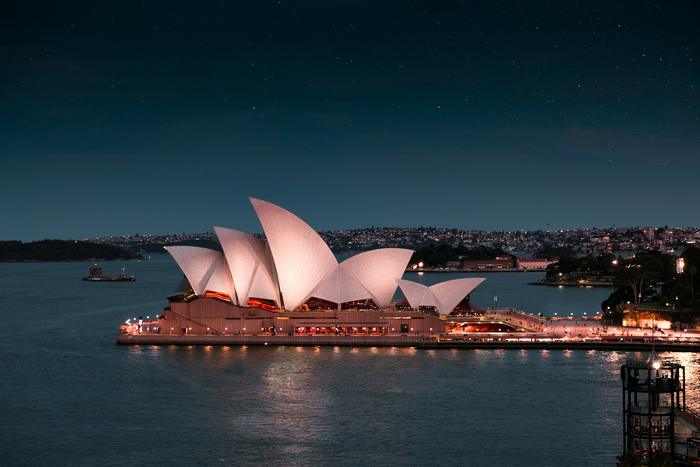
Australia
Vast, varied, relaxed. Reef, Sydney, and proper wilderness in one.
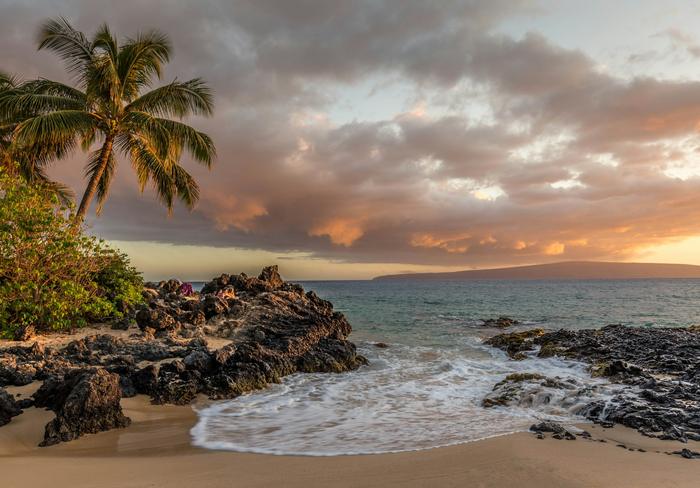
Hawaii
A handful of islands where the landscapes and the ocean genuinely earn the flight.
Not sure where to go
Take the 5-minute quiz
Answer a few honest questions and get matched to destinations that actually fit how you travel.
Start the quiz