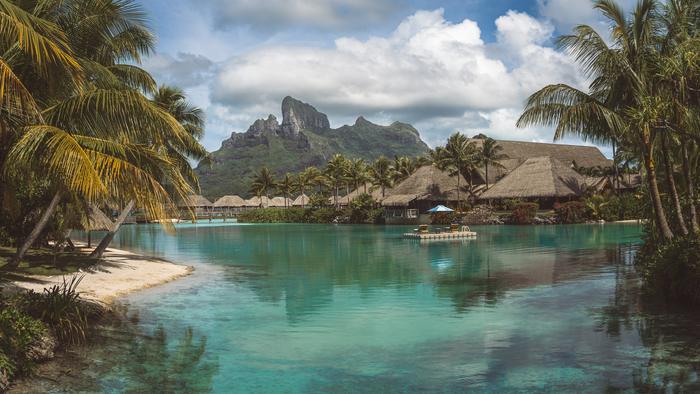
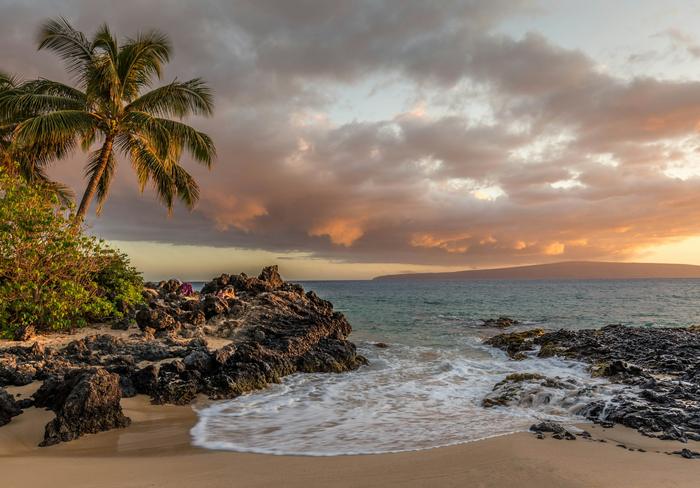
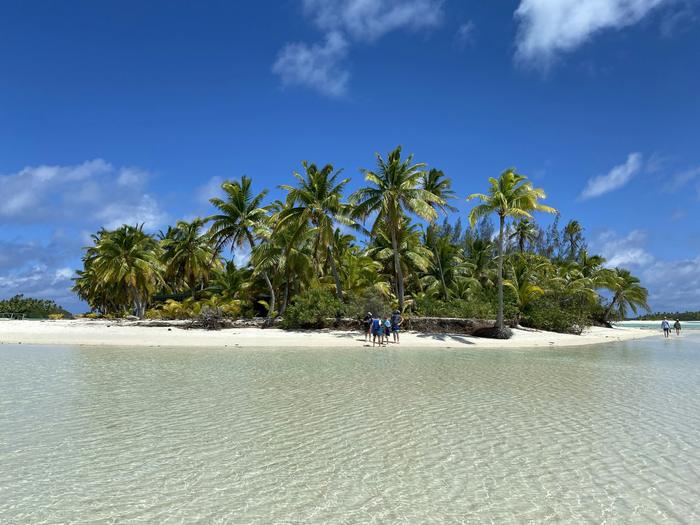
- Is French Polynesia or Hawaii cheaper?
- Hawaii is the cheaper of the two: roughly $130+/day in French Polynesia versus $65–130+/day in Hawaii.
- When is the best time to visit French Polynesia vs Hawaii?
- French Polynesia is at its best in May–October; Hawaii peaks in April, May, September, October, December, January.
- Is French Polynesia or Hawaii better in September?
- Neither has a clear edge in September — they score the same that month. French Polynesia has the edge in June, July, August, Hawaii in January, February, March, April, December, and both are at their best in May, September, October.
- How long do you need in French Polynesia vs Hawaii?
- Plan 1–2 weeks for French Polynesia and 1–2 for Hawaii.
- Should I choose French Polynesia or Hawaii?
- Pick French Polynesia if you want somewhere stronger for wellness, more off-the-beaten-path. Pick Hawaii if you want somewhere cheaper across the board, stronger for nature, adventure, more urban / city-focused. Both deliver on beach, so on those either works.