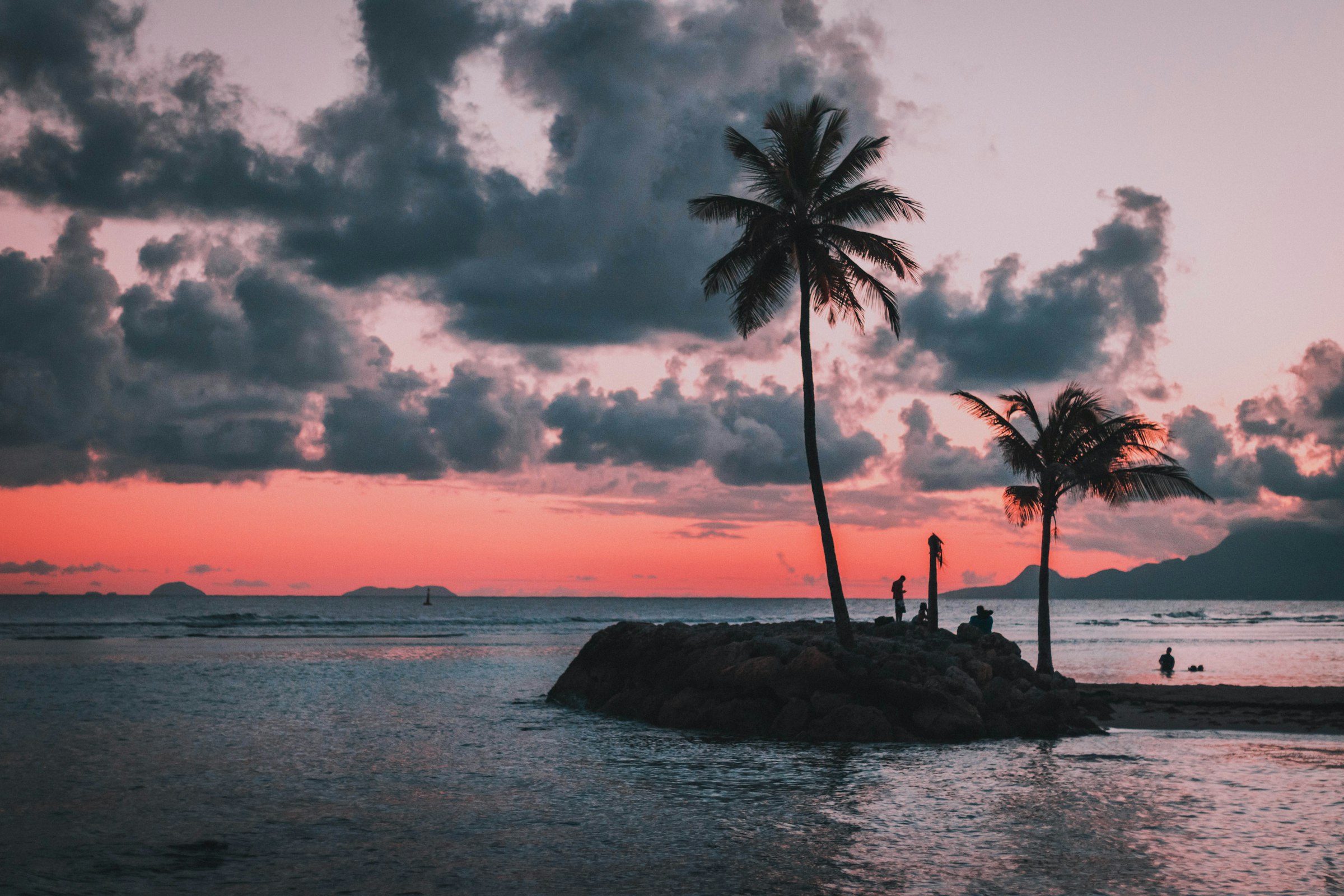
Guadeloupe
Two islands in one — a rainforest volcano on the left wing, beaches on the right.
Guadeloupe is shaped like a butterfly, and the two halves are genuinely different islands. Basse-Terre, the western wing, is mountainous rainforest with an active volcano, waterfalls, and hiking that is the best in the eastern Caribbean. Grande-Terre, the eastern wing, is flat limestone with the beaches and the resorts. It's French, it's greener than its neighbours, and it rewards anyone willing to get out of a sun lounger.
Basse-Terre is the reason to come if you like moving. La Soufrière — a steaming, sulphurous 1,467m volcano, still active — can be hiked in a morning, and the Guadeloupe National Park behind it holds the Carbet Falls, hot springs, and a network of proper trails through genuine rainforest. Offshore, the Cousteau Reserve at Malendure is the diving, with turtles almost guaranteed. Grande-Terre handles the beach side: Sainte-Anne and Saint-François have the sand, and the north coast has dramatic limestone cliffs at Pointe de la Grande Vigie. Then there are the outliers — Les Saintes, a scaled-down bay that genuinely deserves the comparisons to Rio, and Marie-Galante, which is flat, quiet, and full of rum.
The honest part: it's spread out and you will drive a lot — the two wings are joined by a bridge, and getting from a Grande-Terre beach hotel to a Basse-Terre trailhead is a real commute. English is thin on the ground; without French you'll find it harder than most Caribbean islands. The rainforest side also rains, which is the trade for it being green. Come with a car, split your time between the two wings, and it's the most varied island in the region.
Highlights
-
La Soufrière
An active, steaming volcano you can hike to the crater rim in a morning.
-
Carbet Falls
Three big waterfalls in the national park rainforest — the middle one is the easy, spectacular walk.
-
Les Saintes
A ferry ride to a near-perfect bay ringed by hills — the prettiest corner of Guadeloupe.
-
Cousteau Reserve, Malendure
Protected diving and snorkelling off Pigeon Island, with reliable turtles.
-
Sainte-Anne & Saint-François
The Grande-Terre beach strip — calm lagoon water and the island’s resort side.
-
Marie-Galante
Flat, slow, and given over to cane and rum — the island the island-dwellers escape to.
Practical info
- Visa
- Part of France/EU — Schengen rules apply. Visa-free for UK, US, Canada, Australia (90 days).
- Currency
- Euro (EUR).
- Language
- French (official) and Guadeloupean Creole. Very little English outside hotels.
- Safety
- Generally safe; ordinary precautions, and respect trail and volcano advisories.
- Getting around
- Rental car essential (driving on the right); ferries to Les Saintes and Marie-Galante.
- Tap water
- Tap water is safe to drink.
- Plug type
- Type C Type E 230V
- Money
- Cards widely accepted; carry cash for markets and the smaller islands.
General guidance — visas, safety, and health change, so check your government's travel advisory and the official sources before you go.
Common questions
- When is the best time to visit Guadeloupe?
- Guadeloupe is at its best in December–April. It's best to avoid August, September, October.
- How many days do you need in Guadeloupe?
- Most trips run 1–2 weeks, depending on how much ground you want to cover.
- Is Guadeloupe expensive?
- Plan for budget – mid-range daily spend, depending on how you travel.
- Is Guadeloupe safe for travelers?
- Generally safe; ordinary precautions, and respect trail and volcano advisories.
- Do you need a visa for Guadeloupe?
- Part of France/EU — Schengen rules apply. Visa-free for UK, US, Canada, Australia (90 days).
If you like Guadeloupe, also consider
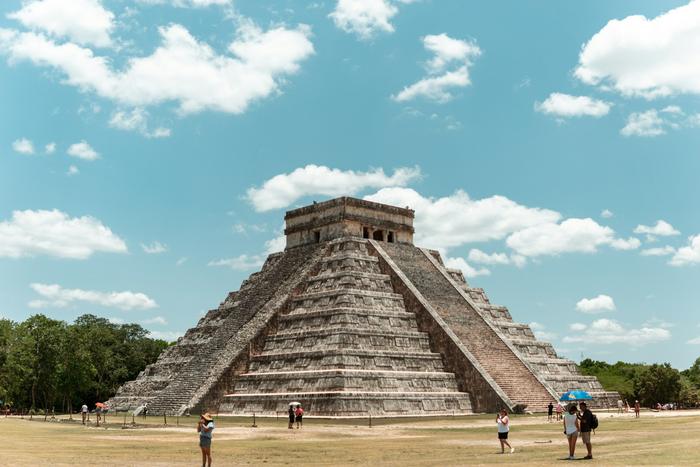
Mexico
Mexico City is world-class. Add the coast, ruins, and food culture.
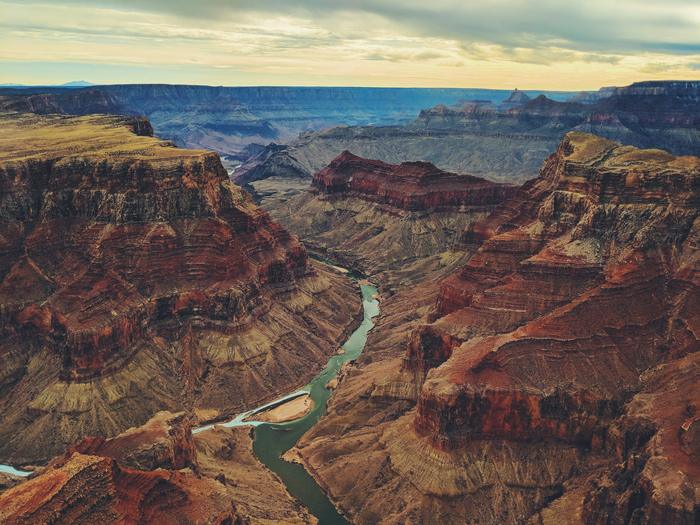
United States
A continent pretending to be a country — cities, deserts, and the best national parks anywhere.
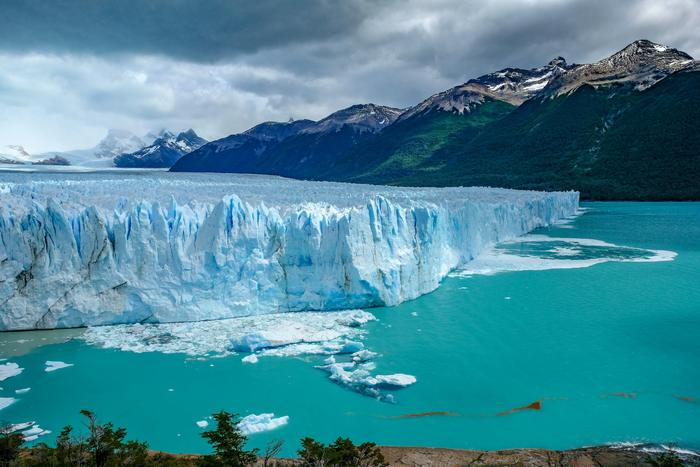
Argentina
Buenos Aires has the best steakhouses and nightlife in South America.
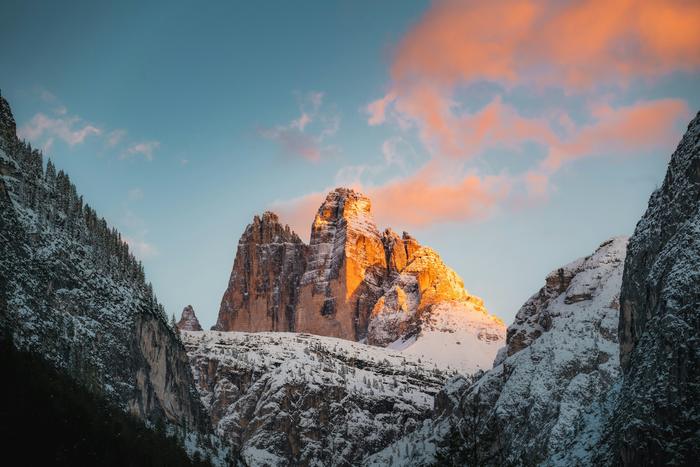
The Alps
The ski and alpine benchmark — every other mountain range is measured against this.
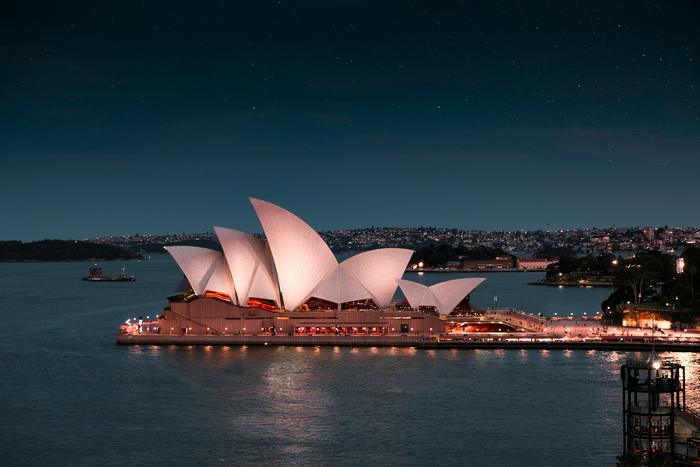
Australia
Vast, varied, relaxed. Reef, Sydney, and proper wilderness in one.
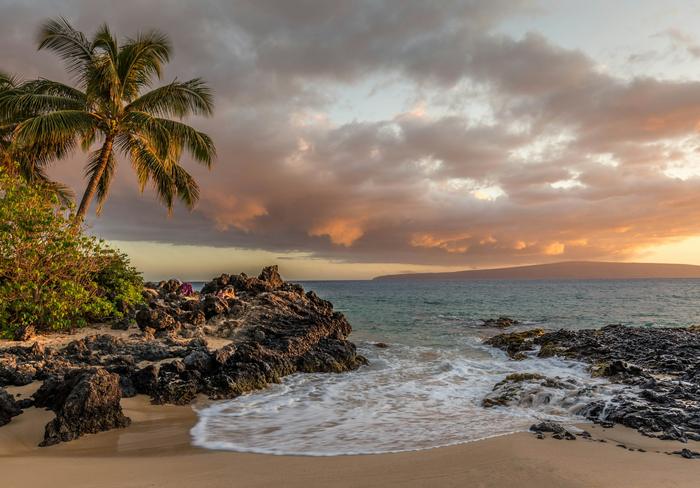
Hawaii
A handful of islands where the landscapes and the ocean genuinely earn the flight.
Not sure where to go
Take the 5-minute quiz
Answer a few honest questions and get matched to destinations that actually fit how you travel.
Start the quiz