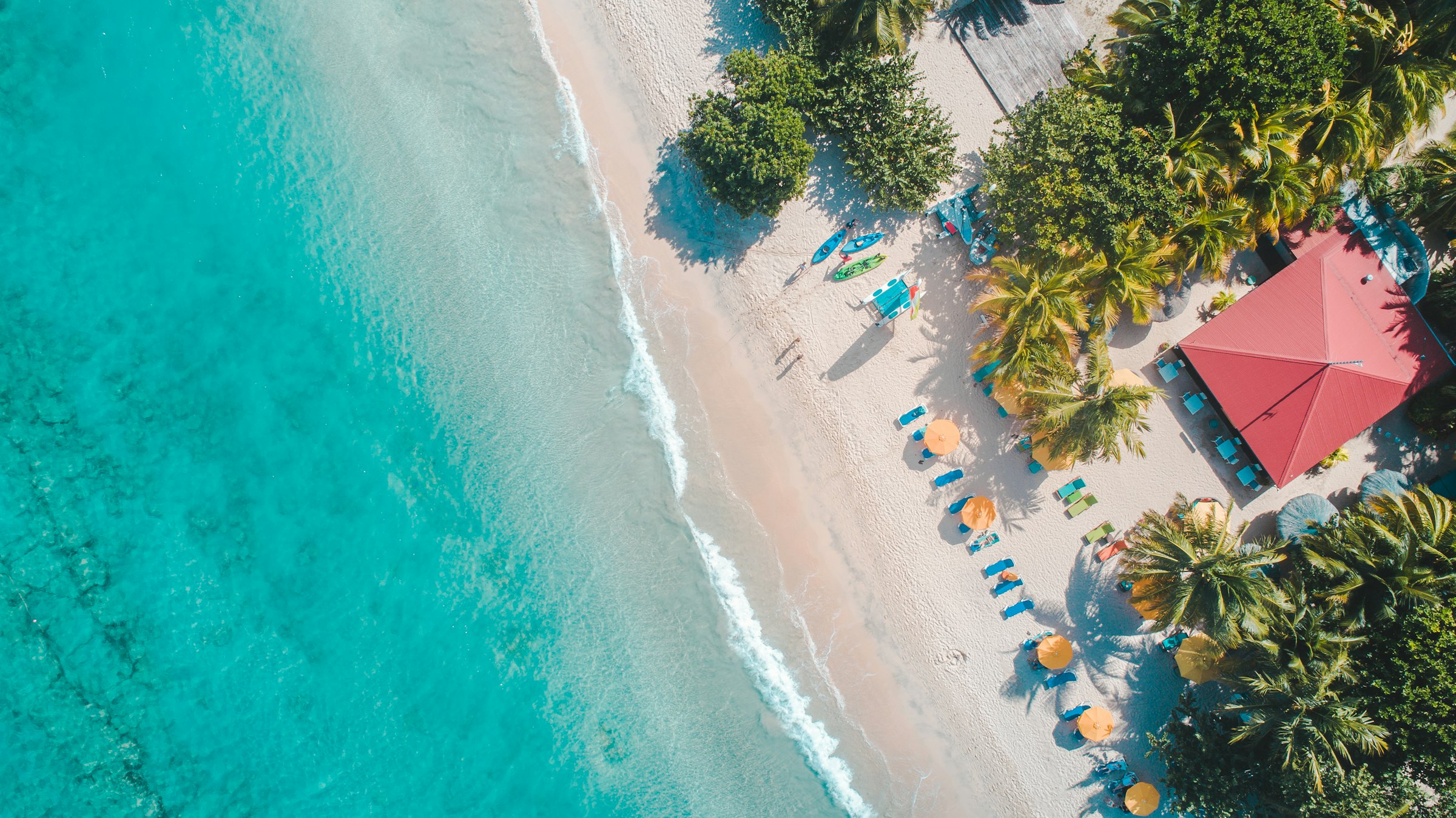
Grenada
The Spice Island — nutmeg, a genuinely lovely harbour capital, and no crowds.
Grenada is the southern Caribbean island that somehow never got overrun. It has one of the best beaches in the region at Grand Anse, a working harbour capital in St George's that is the prettiest town in the eastern Caribbean, rainforest and waterfalls inland, and a nutmeg industry that scents the whole place. It sits far enough south that hurricanes are rarer, and it stays low-key in a way most of its neighbours no longer manage.
St George's is the anchor: a horseshoe harbour of pastel warehouses climbing steep hills, a working fish market, and a fort above it with the best view on the island. Grand Anse, ten minutes away, is two miles of pale sand that has stayed remarkably undeveloped — a few hotels, a lot of empty space. Inland goes green fast: Grand Etang crater lake, Annandale and Seven Sisters falls, and the spice estates where nutmeg, mace and cocoa are still processed by hand. Offshore, the Underwater Sculpture Park — figures cemented to the seabed, now colonised by coral — is a genuinely strange snorkel. Carriacou, an hour north by ferry, is the quiet sister island.
The honest part: there's no big-ticket sight and no nightlife to speak of — this is an island for slow days, and people who need a schedule get bored. The road network is narrow and winding, so nothing is as close as it looks. Hurricane Beryl caused serious damage in 2024, particularly on Carriacou and Petite Martinique, and recovery there is ongoing. But for a beach-and-green week without resort sprawl, at prices below Barbados or St Lucia, Grenada is the smart pick in the region.
Highlights
-
Grand Anse Beach
Two miles of pale sand, barely developed — one of the Caribbean’s genuinely great beaches.
-
St George's harbour
Pastel warehouses stacked around a horseshoe port, with Fort George looking down on it.
-
Underwater Sculpture Park
Submerged figures slowly turning into reef — snorkel or dive it off Molinere Bay.
-
Spice estates
Nutmeg, mace and cocoa still sorted by hand — the industry that named the island.
-
Grand Etang & the waterfalls
A crater lake in rainforest, with Annandale and Seven Sisters falls nearby.
-
Carriacou
An hour north by ferry: quieter still, with white sand and a boat-building tradition.
Practical info
- Visa
- Visa-free for most Western passports (typically 90 days). Verify before travel.
- Currency
- East Caribbean Dollar (XCD); US dollars widely accepted.
- Language
- English (official); Grenadian Creole widely spoken.
- Safety
- Safe and relaxed; ordinary precautions.
- Getting around
- Rental car (driving on the left) or the cheap, chaotic minibuses; roads are narrow and steep.
- Tap water
- Tap water is generally safe to drink.
- Plug type
- Type G 230V
- Money
- Cards at hotels and larger restaurants; carry cash for buses, markets and beach bars.
General guidance — visas, safety, and health change, so check your government's travel advisory and the official sources before you go.
Common questions
- When is the best time to visit Grenada?
- Grenada is at its best in December–May. It's best to avoid September, October.
- How many days do you need in Grenada?
- Most trips run about 1 week, depending on how much ground you want to cover.
- Is Grenada expensive?
- Plan for budget – mid-range daily spend, depending on how you travel.
- Is Grenada safe for travelers?
- Safe and relaxed; ordinary precautions.
- Do you need a visa for Grenada?
- Visa-free for most Western passports (typically 90 days). Verify before travel.
If you like Grenada, also consider
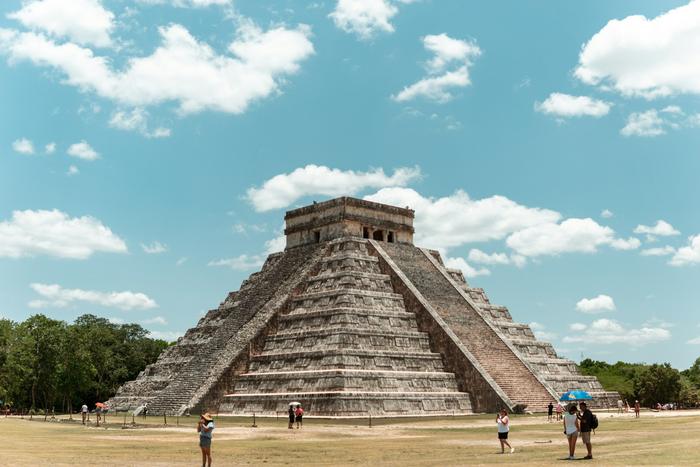
Mexico
Mexico City is world-class. Add the coast, ruins, and food culture.
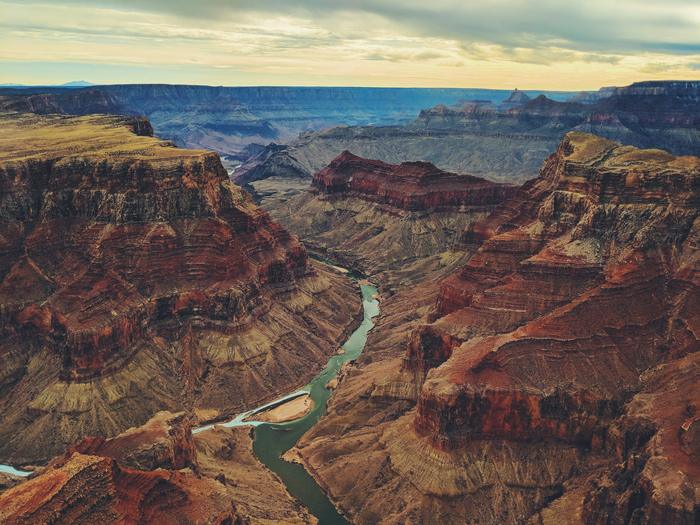
United States
A continent pretending to be a country — cities, deserts, and the best national parks anywhere.
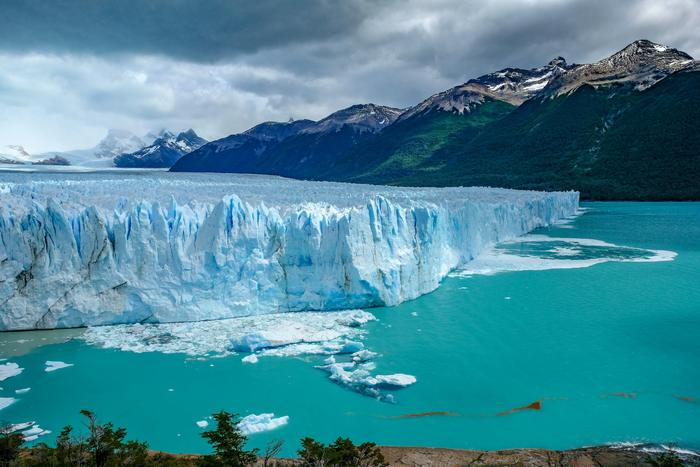
Argentina
Buenos Aires has the best steakhouses and nightlife in South America.
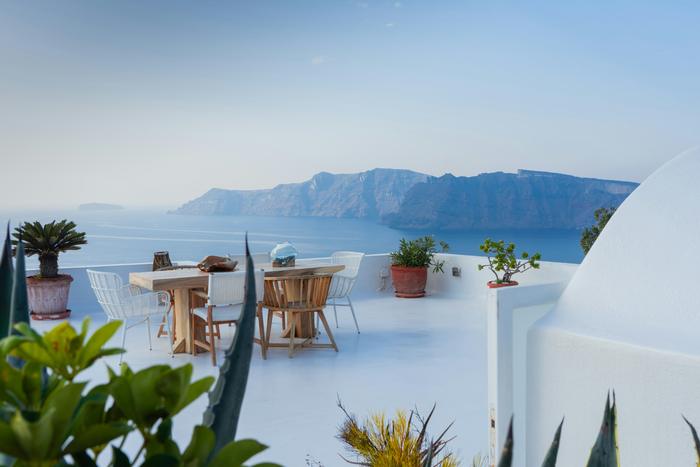
Greece
Ruins in the morning, a swim by noon, taverna until dark.
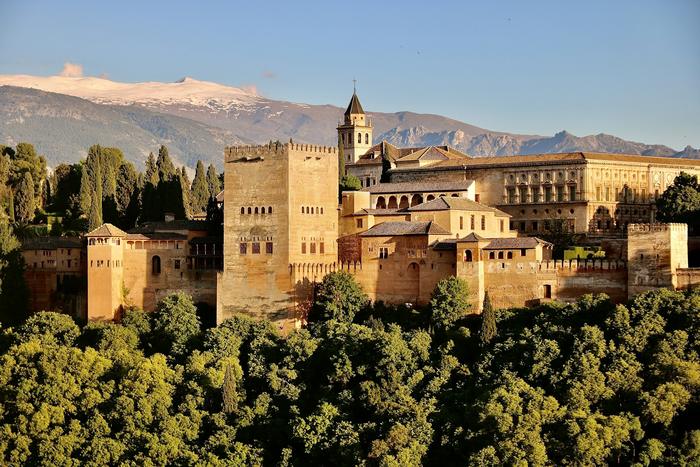
Spain
Food, beaches, and three or four cities that each justify the trip.
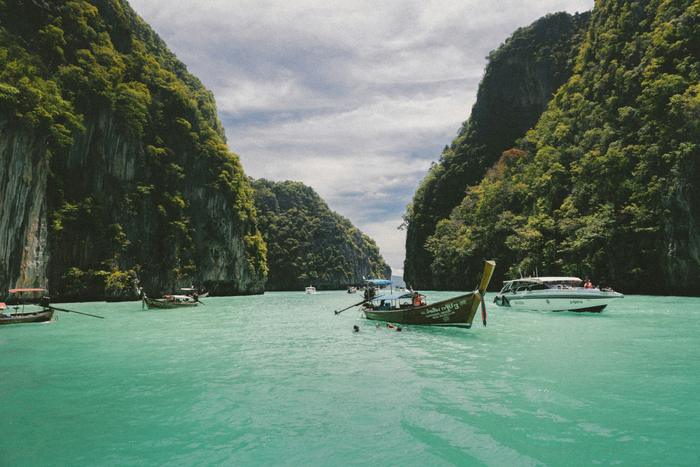
Thailand
The complete package for warm-climate travel.
Not sure where to go
Take the 5-minute quiz
Answer a few honest questions and get matched to destinations that actually fit how you travel.
Start the quiz