El Salvador
Central America’s comeback story — world-class surf, volcanoes, and prices nobody has caught up to yet.
El Salvador spent decades on the do-not-go list, and it has swung hard the other way: a dramatic drop in crime has put the smallest, most densely packed country in Central America firmly on the travel map. What it offers is a tight, cheap loop of serious surf, a chain of volcanoes and crater lakes, and colourful highland coffee towns — all within a couple of hours of each other, using the US dollar, and with barely another tourist in sight.
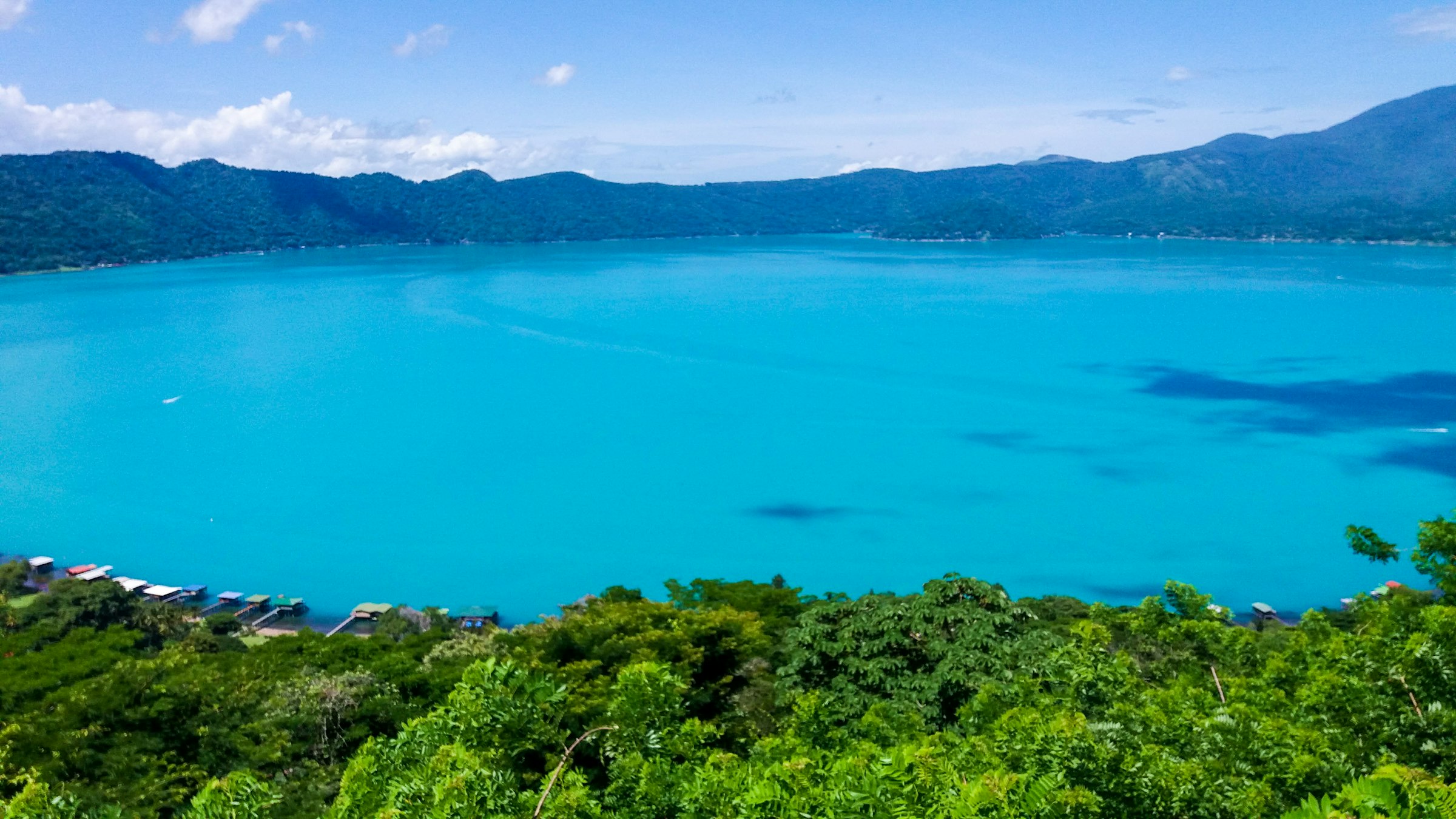
The surf is the headline. The Pacific coast around El Tunco and El Zonte is a laid-back strip of beach towns fronting warm, consistent right-hand point breaks, with Punta Roca at La Libertad ranking among the best waves in the Americas — and you can learn here just as easily as charge it. Inland, the country is volcano country: hike Santa Ana (the highest, with a turquoise crater lake) above the huge caldera lake of Coatepeque, drive the Ruta de las Flores through flower-draped coffee towns, and visit Joya de Cerén, a Maya village buried and preserved by ash. The old colonial town of Suchitoto rounds it out. Everything is close; you can surf, hike a volcano, and wander a highland town in the same short trip.
The honest part: El Salvador's safety turnaround is real but recent, driven by a hard-line security crackdown that comes with its own controversies — check current advice, stick to the established routes, and it feels genuinely relaxed, but it's not a place to wander blind. Tourism infrastructure is still thin outside the surf towns and a couple of hubs, English is limited, and there are few polished 'sights'. That rawness is the appeal: for now it's an uncrowded, dirt-cheap, dollar-priced adventure loop that its neighbours stopped being years ago. Come in the dry season and get there before everyone else does.
Highlights
-
El Tunco & El Zonte
Laid-back Pacific surf towns with warm water, consistent point breaks, and a barefoot traveler scene.
-
Punta Roca
A world-class right-hand point break at La Libertad — one of the best waves in the Americas.
-
Santa Ana Volcano
A hike to a steaming turquoise crater lake above the huge caldera lake of Coatepeque.
-
Ruta de las Flores
A highland loop of flower-draped coffee towns — markets, murals, and cool mountain air.
-
Suchitoto
The country’s prettiest colonial town, cobbled and calm above a lake.
-
Joya de Cerén
A Maya farming village buried by a volcanic eruption and preserved intact — the "Pompeii of the Americas".
Practical info
- Visa
- Visa-free or cheap tourist card for most Western passports (90 days). Check current travel advisories before booking.
- Currency
- USD ($) — the official currency.
- Language
- Spanish; limited English outside surf towns.
- Safety
- Crime has dropped sharply, but the security situation is recent and evolving — check your government’s current advisory and stick to established areas.
- Getting around
- Rent a car or use shuttles between the surf coast and the volcano towns — distances are short.
- Tap water
- Drink bottled or filtered water.
- Plug type
- Type A Type B 120V
- Money
- US dollars throughout; cards in towns, cash for small vendors.
General guidance — visas, safety, and health change, so check your government's travel advisory and the official sources before you go.
Common questions
- Do I need a visa for El Salvador?
- No — US, UK, EU, Canadian and Australian citizens enter visa-free for up to 90 days, and the old US$12 tourist card was abolished in 2025. Note the 90 days is a CA-4 clock shared with Guatemala, Honduras and Nicaragua. See entry.
- Is El Salvador actually safe now?
- The turnaround is real — the homicide rate collapsed to around 1.3 per 100,000 in 2025 under a state of exception, and the surf coast, Santa Ana and Suchitoto are routinely travelled. The honest caveat: that crackdown carries documented civil-liberties costs. See the turnaround.
- Can I pay in Bitcoin?
- You can where it’s taken, but don’t rely on it — Bitcoin was legal tender from 2021, but mandatory acceptance was removed in January 2025 under the IMF deal, so it’s now voluntary and patchy. The US dollar is the real everyday currency. See Bitcoin & money.
- Where do I surf?
- The branded "Surf City" coast around La Libertad — El Sunzal for beginners, world-class Punta Roca and the hollow La Bocana (El Tunco) for experts, and mellow El Zonte for all levels. See the surf.
- What’s the one must-do away from the coast?
- The Santa Ana volcano day-hike to its turquoise crater lake (2,381 m), usually paired with Lake Coatepeque and the coffee towns of the Ruta de las Flores. See volcanoes.
- When should I go?
- The dry season (November–April) is best for sightseeing and volcano hikes; the surf season (March–October) overlaps the rains, so March–April and November are the sweet spots. See when to go.
Entry
Visa-free — and the old fee is gone
Easy in, dollarised, and cheaper to enter than it used to be.
Entry is straightforward: US, UK, EU, Canadian and Australian visitors get up to 90 days visa-free, with a passport valid six months. One recent, welcome change — the US$12 Migratory Entry Card fee was abolished around May 2025, so entry is now free of that charge (many guidebooks still quote it).
The catch to understand is the CA-4 agreement: that 90-day allowance is shared across El Salvador, Guatemala, Honduras and Nicaragua, so hopping between them does not reset the clock. And because El Salvador is dollarised, there’s no currency to change on arrival.
The US$12 tourist card is gone (2025) — don’t budget for it. Remember the CA-4 clock is shared: if you’re combining El Salvador with Guatemala or Honduras, your 90 days run across all of them together, with extensions requested from immigration before they expire.
The turnaround
From most-dangerous to a safety story
The headline of modern El Salvador — with both sides stated honestly.
~1.3 / 100k the 2025 homicide rate — down from a peak above 100 per 100,000
For most travellers the single biggest change is safety. The gang violence that once made whole neighbourhoods no-go has largely vanished under the state of exception in force since 2022, and the country now markets itself hard on security. In practice, independent travel across the Pacific coast, the volcano highlands and the colonial towns is normal, with standard precautions.
In the interest of telling it straight: that transformation came through a suspension of certain constitutional protections and mass detentions that rights organisations have criticised. Visitors feel the upside; the civil-liberties debate is real and worth knowing about.
The practical read for a traveller is simple: the tourist areas are safe and welcoming, with ordinary big-city precautions in San Salvador. We flag the civil-liberties trade-off because it’s part of an honest picture, not because it affects day-to-day travel — which it generally doesn’t.
The surf
"Surf City" and the Pacific point breaks
Warm-water, year-round waves on a government-branded surf coast.
The coast is El Salvador’s long-standing draw and now its tourism centrepiece: the government-branded "Surf City" stretch around La Libertad, with warm water and rideable waves most of the year. The signature wave is Punta Roca, a world-class right-hand point that has hosted international competition.
For a gentler start, El Sunzal’s long, forgiving right is ringed by surf camps; El Tunco is the party-and-surf hub (with the heavy left of La Bocana for experts); and El Zonte — the original "Bitcoin Beach" — is the mellow, backpacker-ish option.
| Break | Type | For whom |
|---|---|---|
| Punta Roca (La Libertad) | World-class right point | Experienced — long and powerful |
| El Sunzal | Long right reef/point | Beginner–intermediate; surf camps |
| La Bocana (El Tunco) | Hollow left river-mouth | Advanced |
| El Zonte | Mellow right point | All levels; the "Bitcoin Beach" village |
The branded "Surf City" stretch runs ~16 km around La Libertad; El Tunco is the liveliest town (bars and hostels), El Zonte the laid-back one.
Volcanoes
Crater lakes, coffee towns and a buried village
A tiny country stacked with volcanoes, lakes and Maya ruins.
2,381 m Santa Ana (Ilamatepec) — the highest volcano, with a turquoise crater lake
Away from the surf, El Salvador is volcano country. The star is the Santa Ana hike to its crater lake, usually combined with the overlook at Cerro Verde and a stop at the big caldera lake of Coatepeque. Threading through the coffee highlands, the Ruta de las Flores links pretty colonial towns — Juayúa for its weekend food fair, Ataco for its murals.
The cultural counterpart is Joya de Cerén, a UNESCO-listed Maya village frozen under volcanic ash — the everyday structures preserved where grander ruins are not.
| Place | What | Note |
|---|---|---|
| Santa Ana (Ilamatepec) | The highest volcano; turquoise crater lake | Guided day-hike from Cerro Verde |
| Lake Coatepeque | A vast crater lake below the volcanoes | Swimming, boating, lakeside stays |
| Ruta de las Flores | Coffee-country colonial towns | Juayúa weekend food fair; Ataco murals |
| Joya de Cerén | UNESCO Maya "Pompeii of the Americas" | A village buried by ash ~AD 600 |
El Imposible National Park in the rugged southwest adds high-biodiversity forest and 300+ bird species for those with more time.
Hike Santa Ana early and with a guide (it’s a popular, well-run day-trip, and the summit weather turns); the whole volcano-and-coffee cluster sits within a short drive of each other in the west, making a tidy two-to-three-day loop from Santa Ana city or Lake Coatepeque.
Bitcoin & money
Dollars in practice, Bitcoin in theory
Easy money — just not the cryptocurrency the headlines promised.
El Salvador made global headlines in 2021 as the first country to adopt Bitcoin as legal tender — but temper expectations. Under its 2024–25 IMF deal, the law was amended in January 2025 to remove mandatory acceptance, so taking Bitcoin is now voluntary; it can’t be used for taxes, and acceptance is patchy outside the El Zonte "Bitcoin Beach" enclave.
The currency that actually runs the country is the US dollar, official since 2001 — which makes El Salvador unusually simple for American travellers and reliably cheap for everyone.
| On the bill | Detail | Note |
|---|---|---|
| Currency | US dollar — official since 2001 | No exchange; carry small bills for rural areas |
| Bitcoin | Legal tender 2021 → voluntary since Jan 2025 | Patchy acceptance — don’t rely on it |
| Price level | Cheaper than Costa Rica or Panama | Pupusas ~US$0.50–1.50; strong value |
El Salvador adopted the US dollar in 2001, so for American visitors there’s literally no money to change — bring small bills and cash for villages.
Getting around
A small country you can day-trip
Everything within a couple of hours of the capital.
El Salvador is tiny — roughly New Jersey-sized — so almost everything sits within a 1.5–2.5 hour drive of San Salvador, making day-trips genuinely easy. The gateway is Óscar Romero International (SAL), handily close to both the capital and the Surf City coast.
Getting around is cheap and, with the improved security, straightforward: local buses (and the classic repainted "chicken buses") are pennies, while a hire car, private shuttle or Uber in the capital is the fastest way to chain the coast, volcanoes and coffee towns together.
When to go
Dry for hiking, wet for the best surf
A clear split — and a shoulder-season sweet spot.
The dry season (Nov–Apr) is best for volcano hikes and clear skies; the biggest surf swells run Mar–Oct but overlap the rains — so March–April and November are the sweet spots that catch both.
The year splits into a dry season (November–April) — the best stretch for volcano hikes, the Ruta de las Flores and reliable sun — and a wet season (May–October) of lush landscapes and afternoon downpours. The wrinkle is surf: the best southern-hemisphere swells run March–October, straddling the rains.
So if you want both clear skies and a working swell, aim for the shoulders — March–April or November — when the weather is dry and the waves are still firing.
Culture
Pupusas, poetry and colonial towns
A warm, coffee-and-surf culture rebuilding its tourism identity.
For such a small country El Salvador has a strong character — warm and family-oriented, with deep coffee heritage, Indigenous Pipil/Nahua and colonial roots, and the national obsession of the pupusa (a thick stuffed corn cake with curtido slaw). The arts town of Ataco is painted wall-to-wall with murals, and colonial Suchitoto is the cultural weekend escape above its lake.
After years defined by violence, the country is actively rebranding around surf, volcanoes and its new-found safety — and the welcome for returning visitors is palpable.
- A colonial-town baseSkipstaying only on the coastGoSuchitoto — cobblestones above Lake Suchitlán
- Coffee country and street artSkiprushing the highlandsGothe Ruta de las Flores (Juayúa, Ataco)
- Surf and beach lifeSkipa city baseGoEl Tunco or El Zonte on the Pacific
Pair a coast base with a night or two inland — Suchitoto or a Lake Coatepeque / Ruta de las Flores stay — to see the other El Salvador beyond the waves. Everything is close enough that you don’t have to choose: surf, volcano and colonial town can all fit a short trip.
Compare El Salvador
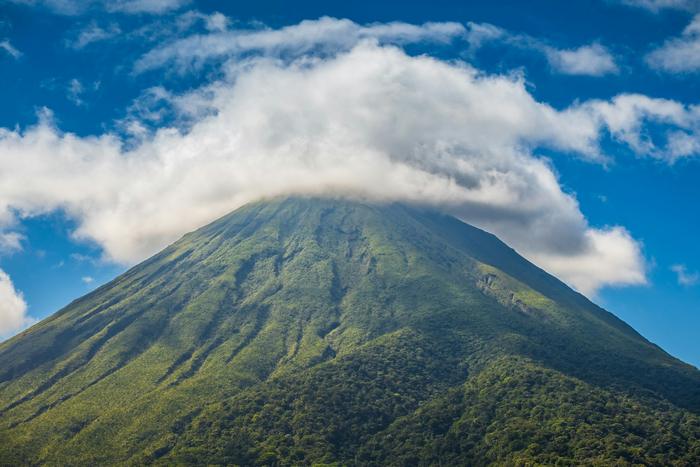
If you like El Salvador, also consider
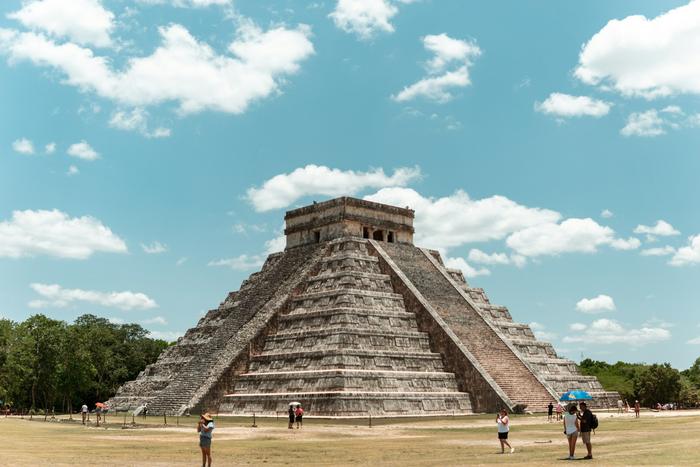
Mexico
Mexico City is world-class. Add the coast, ruins, and food culture.
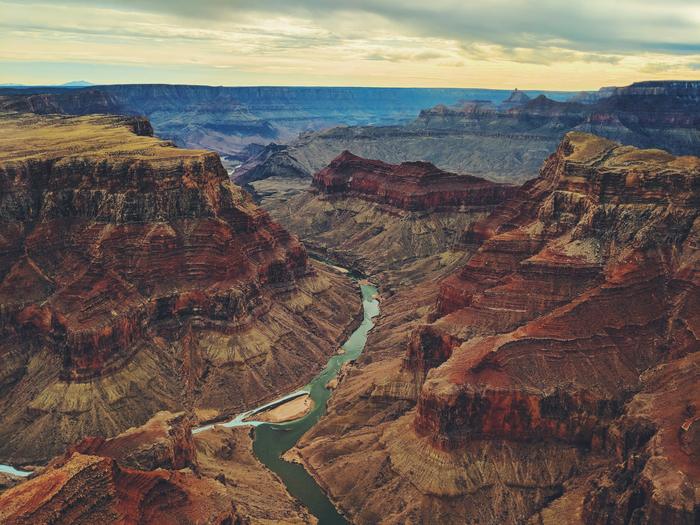
United States
A continent pretending to be a country — cities, deserts, and the best national parks anywhere.
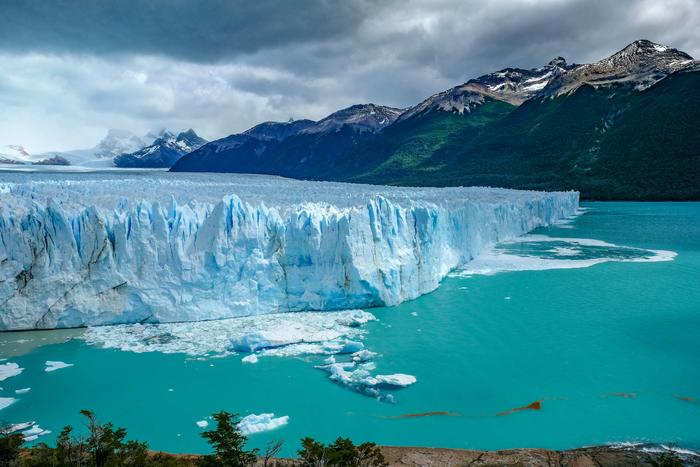
Argentina
Buenos Aires has the best steakhouses and nightlife in South America.
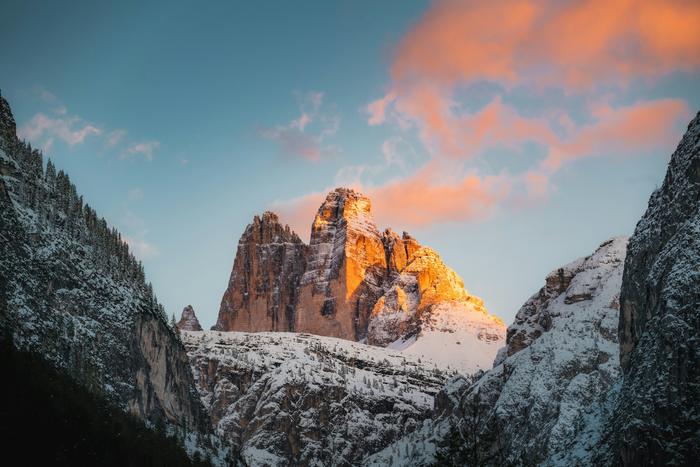
The Alps
The ski and alpine benchmark — every other mountain range is measured against this.
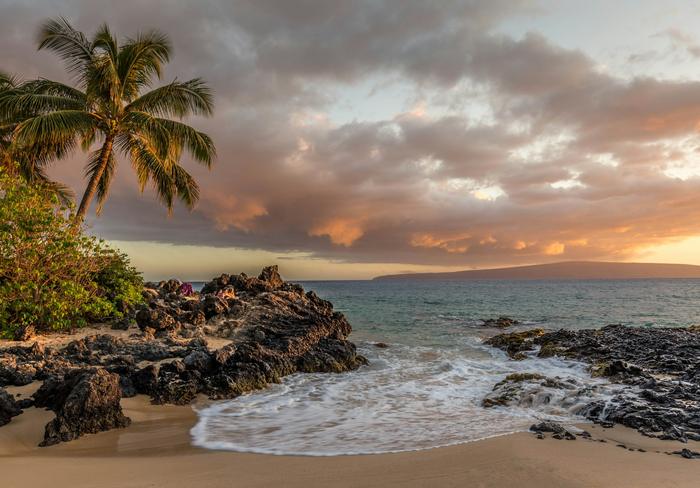
Hawaii
A handful of islands where the landscapes and the ocean genuinely earn the flight.
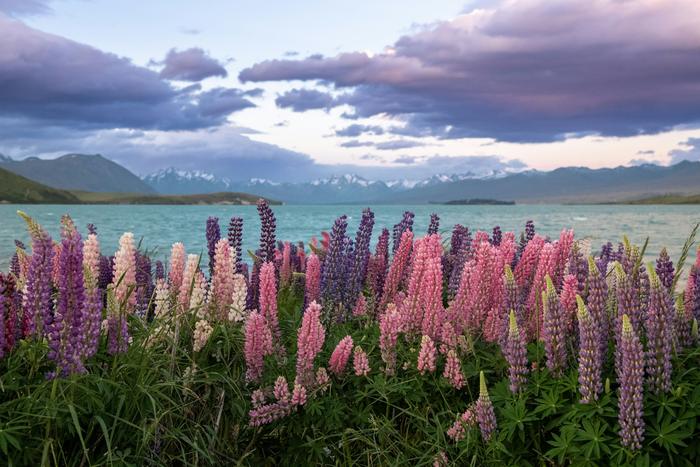
New Zealand
Fjords, volcanoes, glaciers, beaches — in one country.
Not sure where to go
Take the 5-minute quiz
Answer a few honest questions and get matched to destinations that actually fit how you travel.
Start the quiz