Dominica
The Nature Island — a volcanic rainforest with a boiling lake and almost no beaches.
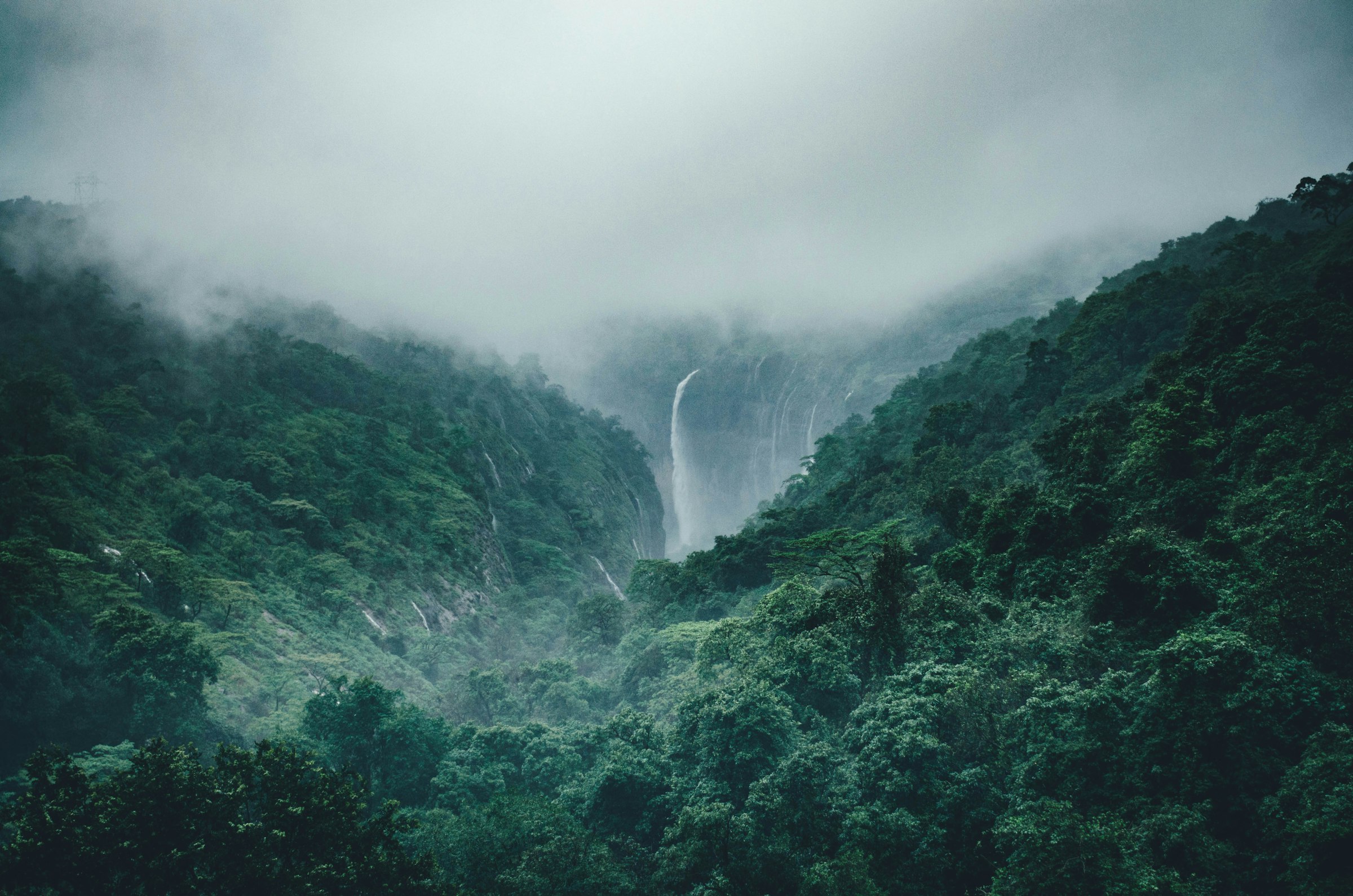
Dominica is the Caribbean island that never got the beaches, and is far more interesting for it. It's a young, steep, volcanic island covered in genuine rainforest, with rivers, hot springs, a lake that actually boils, and sperm whales resident offshore year-round. There are no big resorts and very little sand. People who come here want to walk, dive, and get wet, and they tend to rate it above anywhere else in the region.
The set piece is the Boiling Lake — a flooded fumarole in the Morne Trois Pitons National Park, reached by a hard six-to-eight-hour round trip through the Valley of Desolation, past steaming vents and sulphur-stained rock. It's one of the great day hikes anywhere. Easier options are everywhere: Trafalgar Falls and the Titou Gorge (a slot canyon you swim), Emerald Pool, and hot sulphur pools in the hills above Roseau. The Waitukubuli National Trail runs the length of the island in fourteen segments. Diving is world-class at Champagne Reef, where volcanic gas bubbles up through the water, and Dominica is one of the only places on earth where you can reliably snorkel with sperm whales.
The honest part: if you want to lie on white sand, go somewhere else — the beaches here are black, small, and rough. Infrastructure is basic, roads are slow and winding, and Hurricane Maria devastated the island in 2017; the recovery has been impressive but you'll still see its marks. Cruise days put a lot of people into Roseau at once. This is an island for the active and the curious, and on those terms it's the best in the Caribbean.
Highlights
-
Boiling Lake
A genuinely boiling volcanic lake at the end of a hard six-hour hike through the Valley of Desolation.
-
Titou Gorge
A narrow slot canyon you swim up, ending at a waterfall. Cold, dark, and brilliant.
-
Sperm whale watching
A resident population year-round — one of the few reliable places on earth to see them.
-
Champagne Reef
Volcanic gas bubbling up through the shallows while you snorkel over it.
-
Trafalgar Falls & hot springs
Twin falls above Roseau, with sulphur pools in the hills to soak in afterwards.
-
Waitukubuli National Trail
A 115-mile waymarked route the length of the island, walkable in segments.
Practical info
- Visa
- Visa-free for most Western passports (typically 21 days to 6 months). Verify before travel.
- Currency
- East Caribbean Dollar (XCD); US dollars often accepted.
- Language
- English (official); French-based Kwéyòl widely spoken.
- Safety
- Safe and friendly; the real risks are trail-related — go with a guide for the Boiling Lake.
- Getting around
- Rental car or minibuses (driving on the left); roads are steep, narrow and slow.
- Tap water
- Tap water is fresh, plentiful and safe — the island has more rivers than it can count.
- Plug type
- Type D Type G 230V
- Money
- Cash is king outside Roseau; bring more than you think and do not rely on rural ATMs.
General guidance — visas, safety, and health change, so check your government's travel advisory and the official sources before you go.
Common questions
- When is the best time to visit Dominica?
- Dominica is at its best in December–April. It's best to avoid August, September, October.
- How many days do you need in Dominica?
- Most trips run 1–2 weeks, depending on how much ground you want to cover.
- Is Dominica expensive?
- Plan for budget – mid-range daily spend, depending on how you travel.
- Is Dominica safe for travelers?
- Safe and friendly; the real risks are trail-related — go with a guide for the Boiling Lake.
- Do you need a visa for Dominica?
- Visa-free for most Western passports (typically 21 days to 6 months). Verify before travel.
If you like Dominica, also consider
Mexico
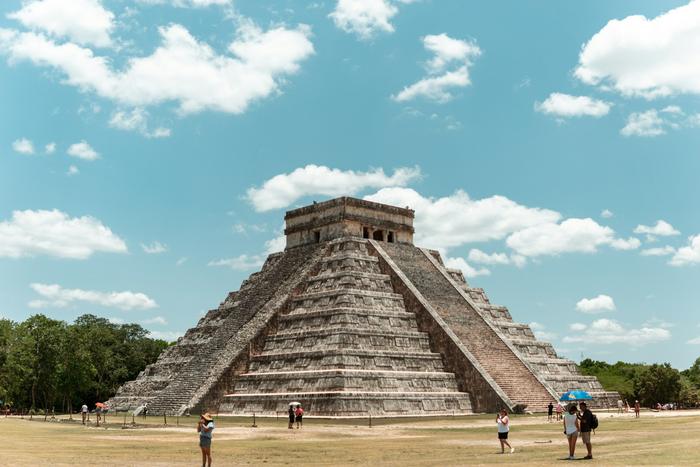
Mexico City is world-class. Add the coast, ruins, and food culture.
United States
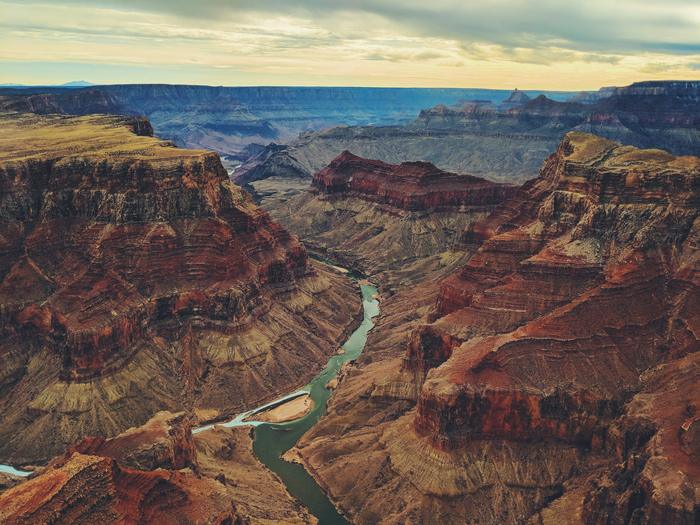
A continent pretending to be a country — cities, deserts, and the best national parks anywhere.
Argentina
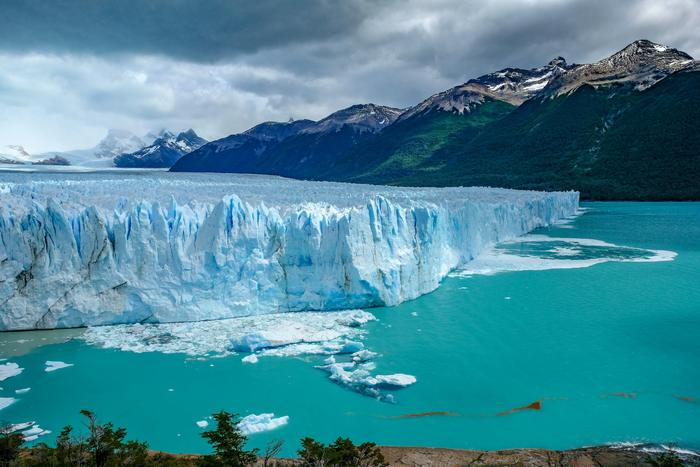
Buenos Aires has the best steakhouses and nightlife in South America.
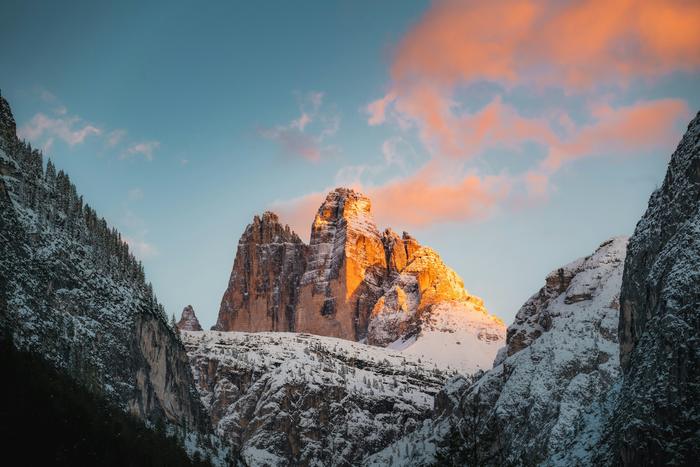
The Alps
The ski and alpine benchmark — every other mountain range is measured against this.
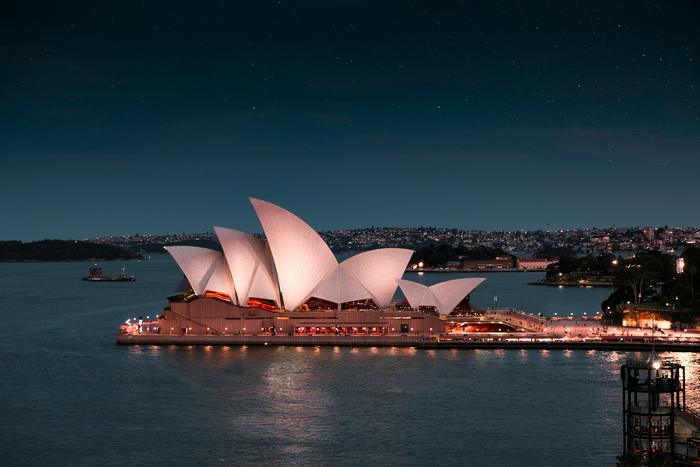
Australia
Vast, varied, relaxed. Reef, Sydney, and proper wilderness in one.
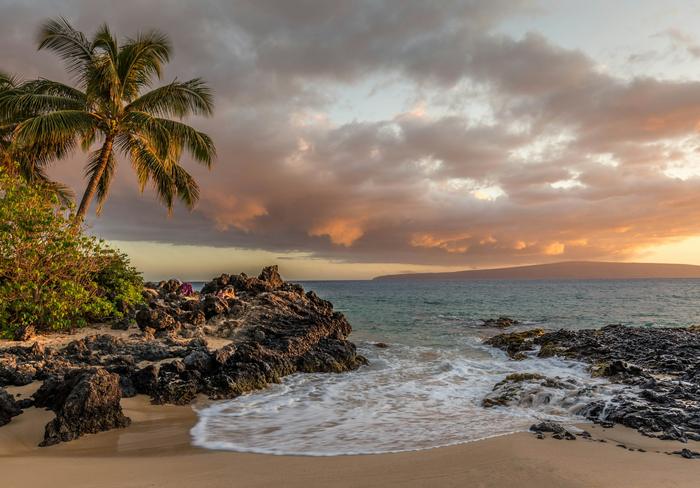
Hawaii
A handful of islands where the landscapes and the ocean genuinely earn the flight.
Not sure where to go
Take the 5-minute quiz
Answer a few honest questions and get matched to destinations that actually fit how you travel.
Start the quiz