Curaçao
The most characterful of the Dutch ABC islands — a candy-coloured capital, below the hurricane belt, over great diving.
Curaçao is the cultured one of the ABC islands (Aruba, Bonaire, Curaçao). Its capital, Willemstad, is a UNESCO-listed waterfront of pastel Dutch colonial townhouses that looks like Amsterdam repainted in sherbet — a proper little city rather than a resort strip. Add a dry, dependable climate below the hurricane belt, dozens of hidden coves, and shore diving straight off the beach, and it's the ABC island with the most going on.
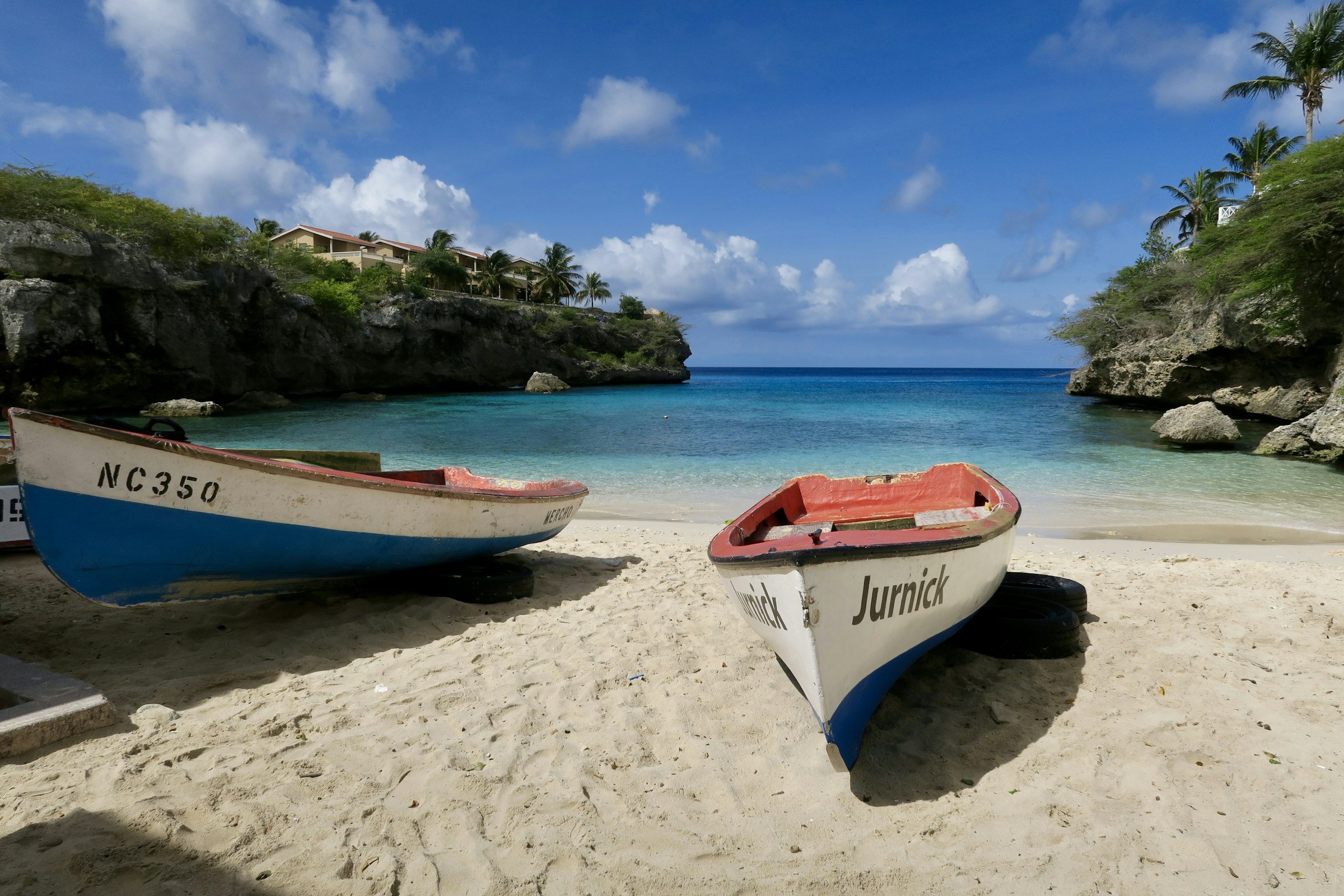
Base near Willemstad and you get more culture than most Caribbean islands manage — the candy-coloured Handelskade waterfront, the swinging Queen Emma pontoon bridge, museums, and a genuine restaurant-and-bar scene shaped by Dutch, African, and Latin influences. The beaches are different from the long white strips elsewhere: they're small, dramatic coves (Playa Kenepa, Cas Abao) tucked between cliffs, with reef so close you can snorkel or shore-dive straight in — Curaçao and neighbouring Bonaire are among the best shore-diving spots on earth. The rugged Christoffel National Park and the wild north coast add hiking and blowholes for the restless.
The honest part: Curaçao doesn't have the effortless swim-anywhere beaches of Aruba or the Bahamas — the coast is rockier, the coves smaller, and you'll want water shoes and a rental car to island-hop between them. It's more a diving-and-culture island than a flop-on-the-sand one. The upside is real value (cheaper than Aruba), a below-the-belt dry climate you can rely on year-round, a genuinely interesting capital, and world-class reef a few fin-kicks from shore.
Highlights
-
Willemstad
A UNESCO waterfront of pastel Dutch colonial houses and the swinging Queen Emma pontoon bridge.
-
Shore diving
Reef straight off the beach — Curaçao is one of the world’s great shore-diving and snorkelling islands.
-
Hidden coves
Small, cliff-framed beaches like Playa Kenepa and Cas Abao, reached by car around the west end.
-
Christoffel National Park
Rugged hiking, cactus, and the island’s highest peak in the wild northwest.
-
Curaçao’s food & bar scene
Dutch, African, and Latin influences make Willemstad the most interesting place to eat in the ABCs.
-
Shete Boka
A wild north-coast park of blowholes where the open Atlantic crashes into limestone caves.
Practical info
- Visa
- Visa-free for most Western passports (stays up to 30–90 days). Verify before travel.
- Currency
- Caribbean Guilder (formerly ANG); US dollars widely accepted.
- Language
- Dutch and Papiamento (official); English and Spanish widely spoken.
- Safety
- Safe by regional standards; ordinary city precautions in parts of Willemstad at night.
- Getting around
- Rent a car — essential to reach the coves and parks (driving on the right).
- Tap water
- Tap water is desalinated and safe to drink.
- Plug type
- Type A Type B 127V
- Money
- Cards widely accepted; carry some cash for beach kiosks.
General guidance — visas, safety, and health change, so check your government's travel advisory and the official sources before you go.
Common questions
- When is the best time to visit Curaçao?
- Curaçao is at its best in December–May.
- How many days do you need in Curaçao?
- Most trips run about 1 week, depending on how much ground you want to cover.
- Is Curaçao expensive?
- Plan for budget – mid-range daily spend, depending on how you travel.
- Is Curaçao safe for travelers?
- Safe by regional standards; ordinary city precautions in parts of Willemstad at night.
- Do you need a visa for Curaçao?
- Visa-free for most Western passports (stays up to 30–90 days). Verify before travel.
Compare Curaçao with
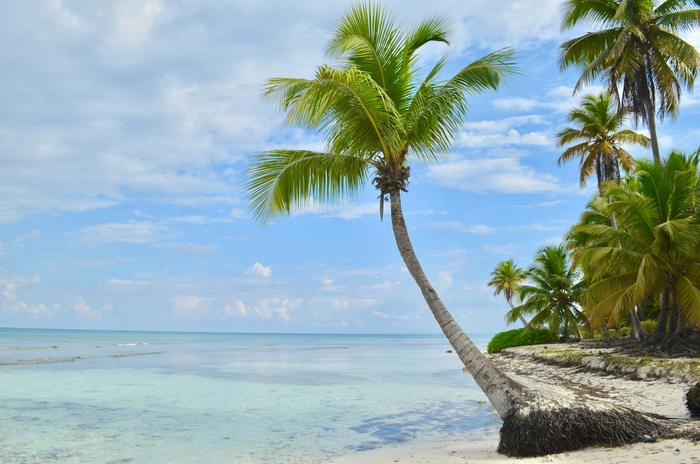
If you like Curaçao, also consider
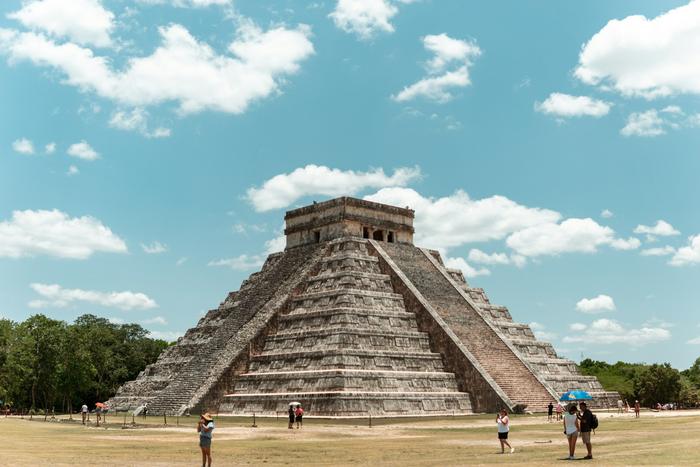
Mexico
Mexico City is world-class. Add the coast, ruins, and food culture.
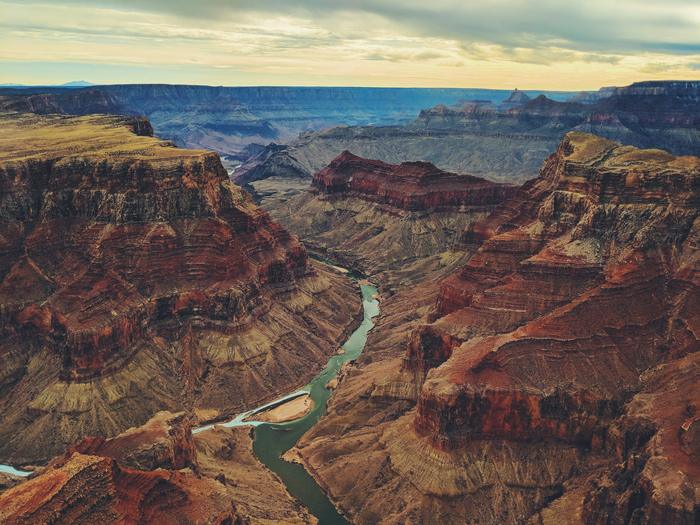
United States
A continent pretending to be a country — cities, deserts, and the best national parks anywhere.
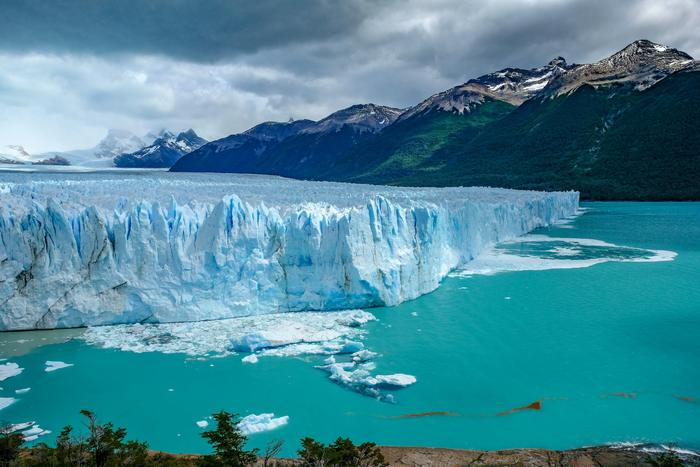
Argentina
Buenos Aires has the best steakhouses and nightlife in South America.
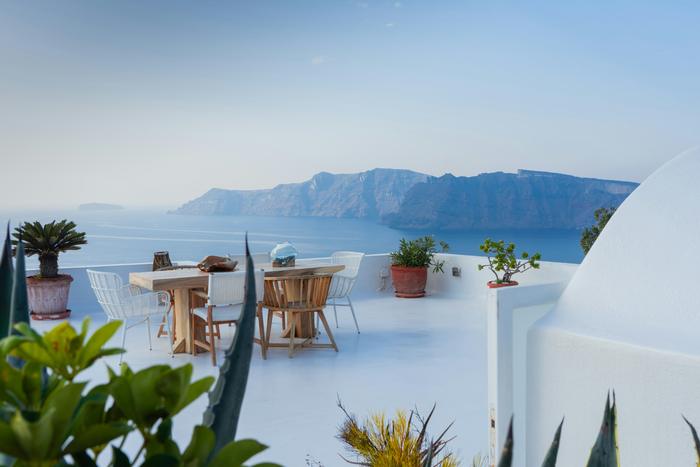
Greece
Ruins in the morning, a swim by noon, taverna until dark.
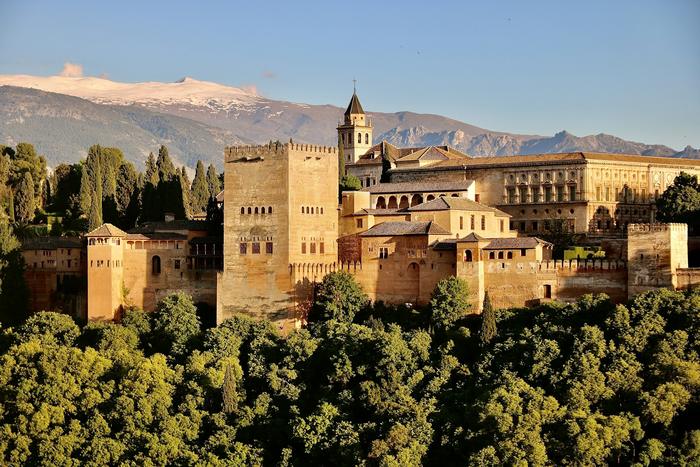
Spain
Food, beaches, and three or four cities that each justify the trip.
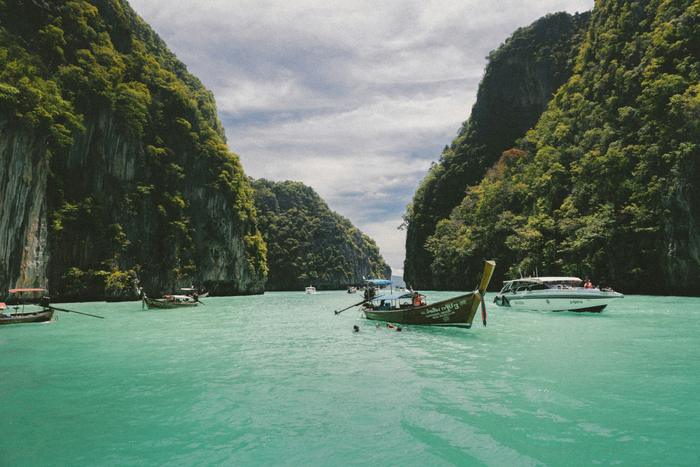
Thailand
The complete package for warm-climate travel.
Not sure where to go
Take the 5-minute quiz
Answer a few honest questions and get matched to destinations that actually fit how you travel.
Start the quiz