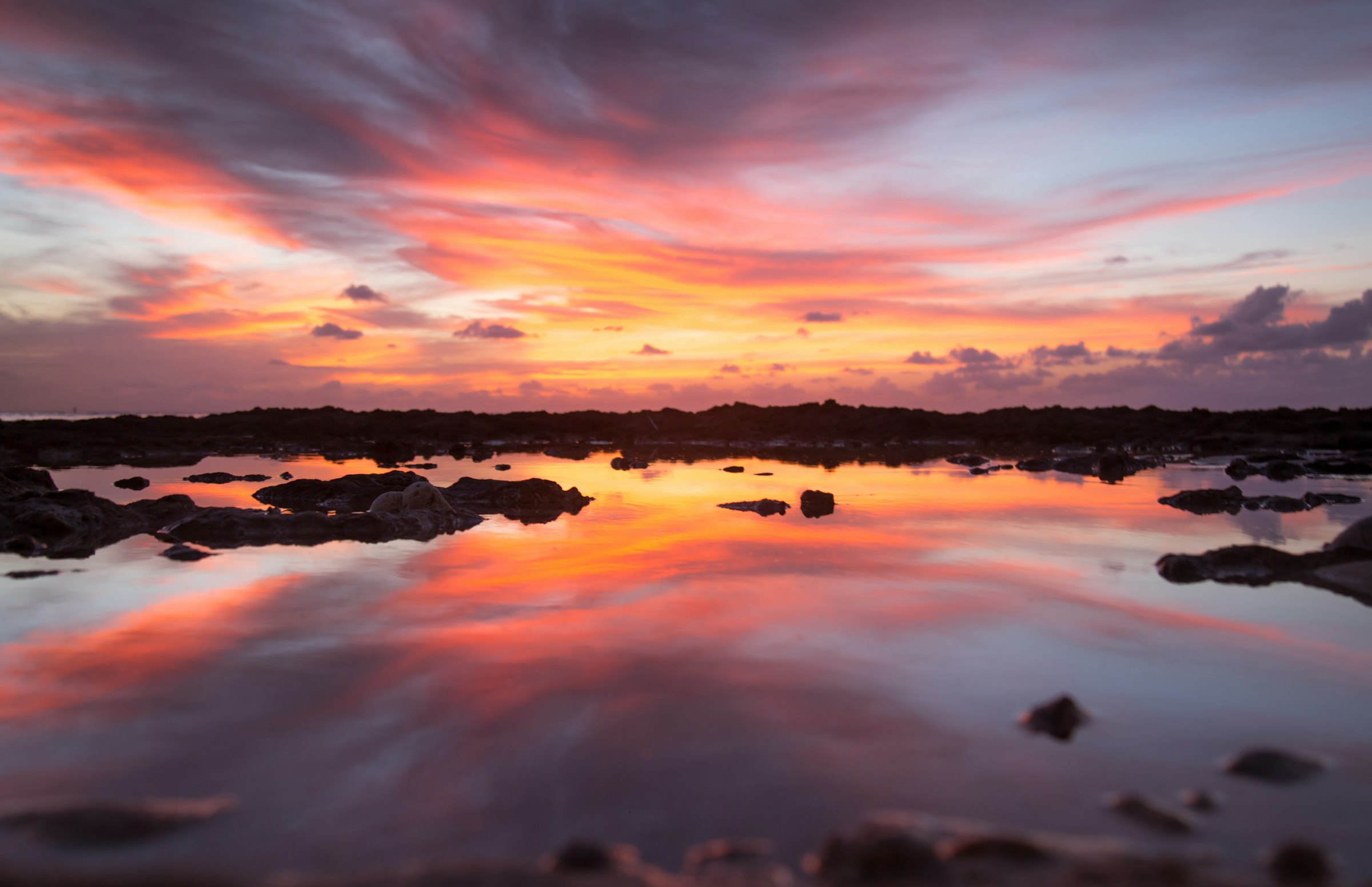
Cayman Islands
Seven Mile Beach, world-class diving, and the smoothest logistics in the Caribbean — at a price.
Cayman is the polished end of the Caribbean: a long, genuinely excellent beach on Grand Cayman, some of the best wall diving on earth off Little Cayman, and an offshore-banking economy that means the roads, hospitals, and restaurants all work. It is safe, easy, and expensive. If you want the region without the rough edges — and you're willing to pay for that — this is the island.
Most visitors never leave Grand Cayman, and mostly not Seven Mile Beach, which is the rare famous strip that deserves it: calm, clear, genuinely seven miles of it, with the hotels set back behind the sand. The set pieces are Stingray City, a sandbar where you stand waist-deep among wild southern stingrays, and the food scene in George Town and Camana Bay, which is far better than an island this size has any right to have. Divers should get on the short flight to Little Cayman for Bloody Bay Wall — a reef that drops vertically into blue from about six metres down, and one of the great dives anywhere.
The honest part: this is among the most expensive islands in the Caribbean, and it doesn't pretend otherwise — a mid-range dinner costs what a good one does in London, and the beachfront hotels are priced accordingly. It's also tame. There's no real interior, no mountains, nothing much to discover; the pleasure is in the water and the ease, not in exploring. Cruise days flood George Town, so check the schedule if you're shopping or diving from town. Come for the beach and the diving, accept the bill, and it delivers exactly what it promises.
Highlights
-
Seven Mile Beach
Calm, clear, and genuinely as long as advertised — the Caribbean beach most others get measured against.
-
Stingray City
A waist-deep sandbar where wild southern stingrays glide around you. Touristy and still remarkable.
-
Bloody Bay Wall, Little Cayman
A sheer reef wall dropping into open blue — one of the best dives in the world, on a near-empty island.
-
George Town & Camana Bay
The eating and drinking is a cut above the regional norm; Camana Bay is the modern, walkable side.
-
Rum Point & the North Side
Shallow turquoise water and a mudslide at the bar — the slow, non-resort afternoon.
-
Cayman Brac
A limestone bluff, caves, and rock climbing — the quiet island for people who want to do something.
Practical info
- Visa
- Visa-free for most Western passports (stays up to 30 days, often longer for UK/EU/US). Verify before travel.
- Currency
- Cayman Islands Dollar (KYD), pegged above the US dollar; USD accepted everywhere.
- Language
- English (official).
- Safety
- One of the safest islands in the region; ordinary precautions only.
- Getting around
- Rental car or taxis on Grand Cayman (driving on the left); short flights to the Sister Islands.
- Tap water
- Tap water is desalinated and safe to drink.
- Plug type
- Type A Type B 120V
- Money
- Cards accepted everywhere; prices are often quoted in KYD — check which dollar you are being charged.
General guidance — visas, safety, and health change, so check your government's travel advisory and the official sources before you go.
Common questions
- When is the best time to visit Cayman Islands?
- Cayman Islands is at its best in December–April. It's best to avoid August, September, October.
- How many days do you need in Cayman Islands?
- Most trips run about 1 week, depending on how much ground you want to cover.
- Is Cayman Islands expensive?
- Plan for mid-range – premium daily spend, depending on how you travel.
- Is Cayman Islands safe for travelers?
- One of the safest islands in the region; ordinary precautions only.
- Do you need a visa for Cayman Islands?
- Visa-free for most Western passports (stays up to 30 days, often longer for UK/EU/US). Verify before travel.
If you like Cayman Islands, also consider
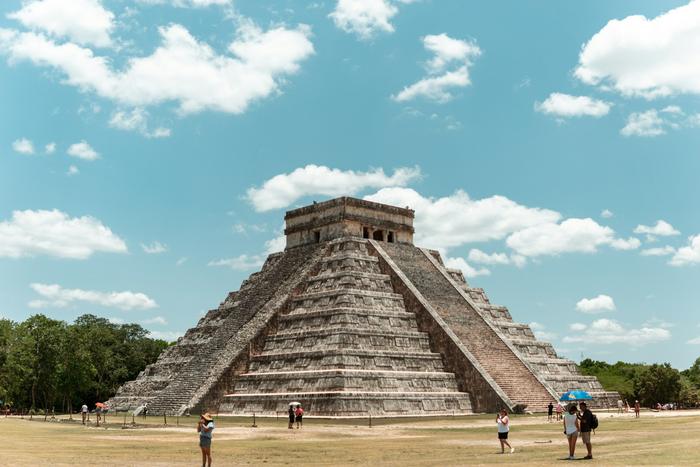
Mexico
Mexico City is world-class. Add the coast, ruins, and food culture.
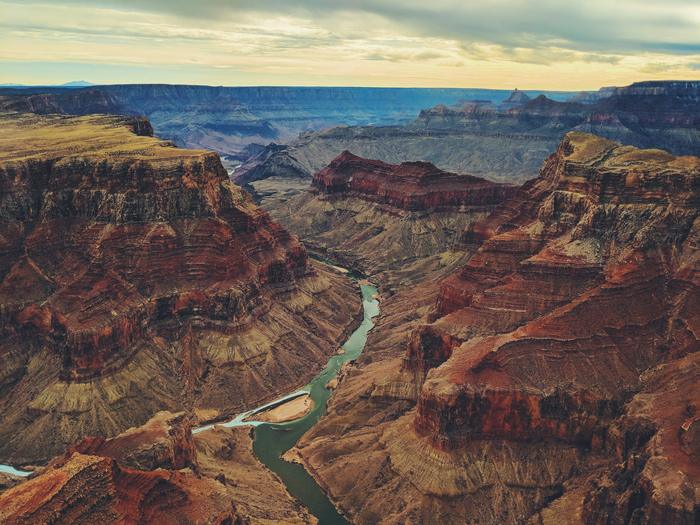
United States
A continent pretending to be a country — cities, deserts, and the best national parks anywhere.
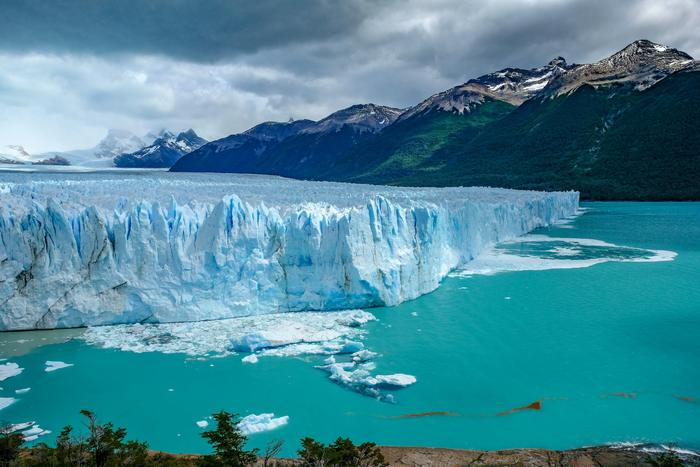
Argentina
Buenos Aires has the best steakhouses and nightlife in South America.
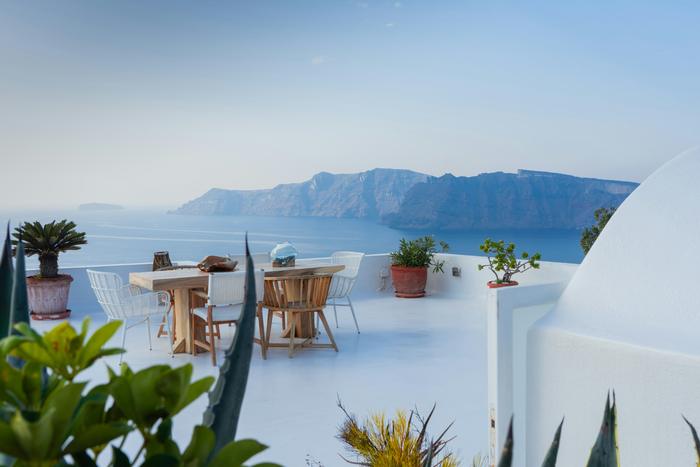
Greece
Ruins in the morning, a swim by noon, taverna until dark.
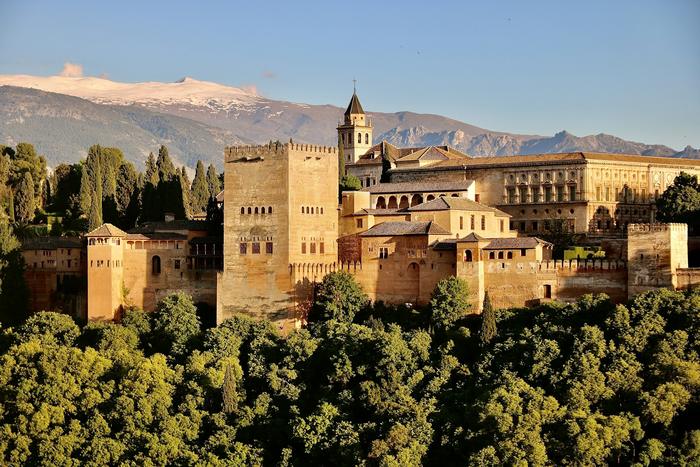
Spain
Food, beaches, and three or four cities that each justify the trip.
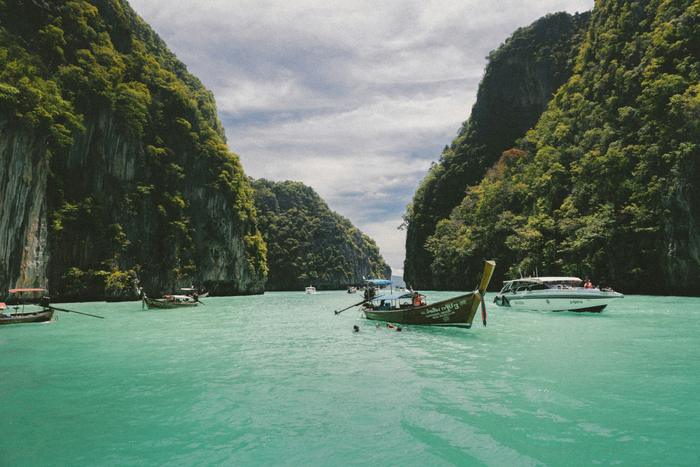
Thailand
The complete package for warm-climate travel.
Not sure where to go
Take the 5-minute quiz
Answer a few honest questions and get matched to destinations that actually fit how you travel.
Start the quiz