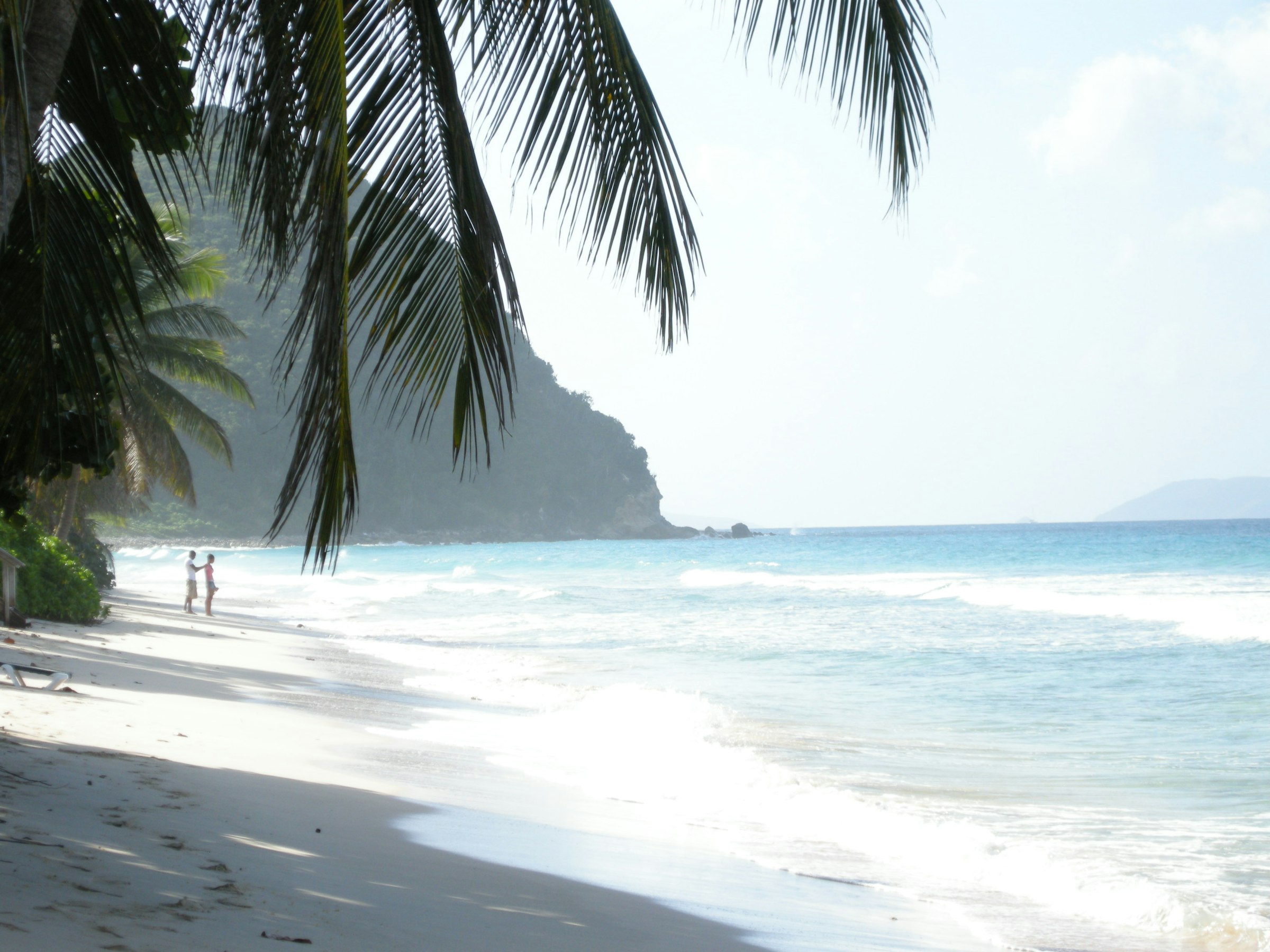
British Virgin Islands
The sailing capital of the Caribbean — sixty islands, short hops, and a bar you swim to.
The BVI exists for boats. Sixty-odd islands and cays sit within sight of each other in protected water, which makes it the easiest serious sailing ground anywhere — you can hop anchorages in an hour and never face open ocean. On land it's quiet and low-key, with a couple of genuinely strange and wonderful set pieces. If you're not on a boat you'll still enjoy it; you'll just be watching everyone who is.
Chartering is the point, bareboat or crewed, and the classic loop runs Tortola to Norman Island, the Bight, Cooper, Virgin Gorda, Anegada and back. The two things everyone remembers are The Baths on Virgin Gorda — house-sized granite boulders tumbled into a maze of tidal grottoes you scramble and swim through, unlike anything else in the region — and Jost Van Dyke, a tiny island whose economy is essentially three beach bars, including the Soggy Dollar, so named because you swim ashore to reach it. Anegada is the outlier: flat coral instead of volcanic rock, miles of empty sand, and lobster.
The honest part: this is a boat destination first, and land-based visitors get a thinner version of it — Tortola's own beaches are decent rather than remarkable, and Road Town is functional. Prices are high and the food is the weakest part of the offer; you're paying for water and anchorages, not restaurants. Getting here usually means connecting through St Thomas or San Juan and then a ferry, which adds most of a day each way. Come to sail, or come knowing you're on the edge of someone else's sport.
Highlights
-
The Baths, Virgin Gorda
Giant granite boulders forming tidal caves and pools you scramble and swim through. Genuinely unique.
-
Jost Van Dyke
An island of beach bars — the Soggy Dollar earned its name because you swim in from the anchorage.
-
Bareboat chartering
Protected water, short hops, and sixty islands — the most forgiving serious sailing ground there is.
-
Anegada
Flat coral island, empty beaches, flamingos, and the lobster everyone comes for.
-
The Bight, Norman Island
A big protected anchorage with caves to snorkel and a floating bar.
-
Cane Garden Bay, Tortola
The island’s best strip of sand and the liveliest thing on shore.
Practical info
- Visa
- Visa-free for most Western passports (typically 30 days). Verify before travel.
- Currency
- US Dollar (USD) — despite being a British territory.
- Language
- English (official).
- Safety
- Very safe; ordinary precautions. Take the weather seriously if sailing.
- Getting around
- Boats first. On land, rental cars and taxis (driving on the left); ferries link the main islands.
- Tap water
- Tap water is generally safe; bottled is standard on boats.
- Plug type
- Type A Type B 110V
- Money
- Cards in hotels and charter bases; carry cash for beach bars and ferries.
General guidance — visas, safety, and health change, so check your government's travel advisory and the official sources before you go.
Common questions
- When is the best time to visit British Virgin Islands?
- British Virgin Islands is at its best in December–April. It's best to avoid August, September, October.
- How many days do you need in British Virgin Islands?
- Most trips run about 1 week, depending on how much ground you want to cover.
- Is British Virgin Islands expensive?
- Plan for mid-range – premium daily spend, depending on how you travel.
- Is British Virgin Islands safe for travelers?
- Very safe; ordinary precautions. Take the weather seriously if sailing.
- Do you need a visa for British Virgin Islands?
- Visa-free for most Western passports (typically 30 days). Verify before travel.
If you like British Virgin Islands, also consider
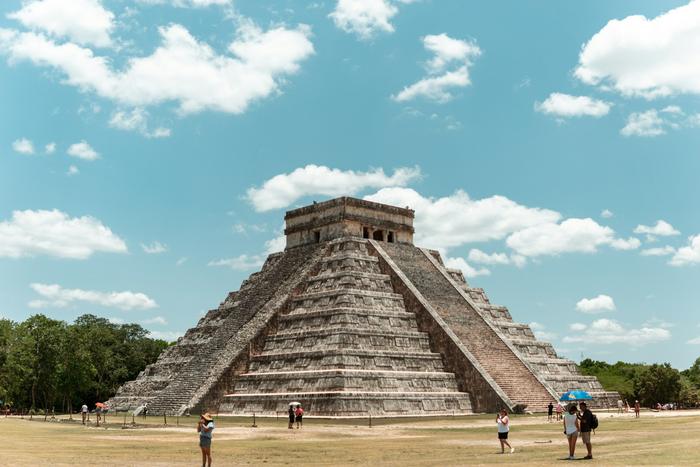
Mexico
Mexico City is world-class. Add the coast, ruins, and food culture.
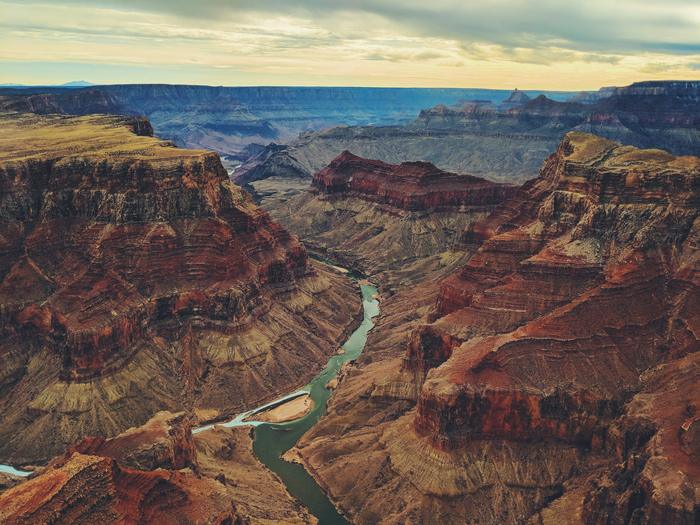
United States
A continent pretending to be a country — cities, deserts, and the best national parks anywhere.
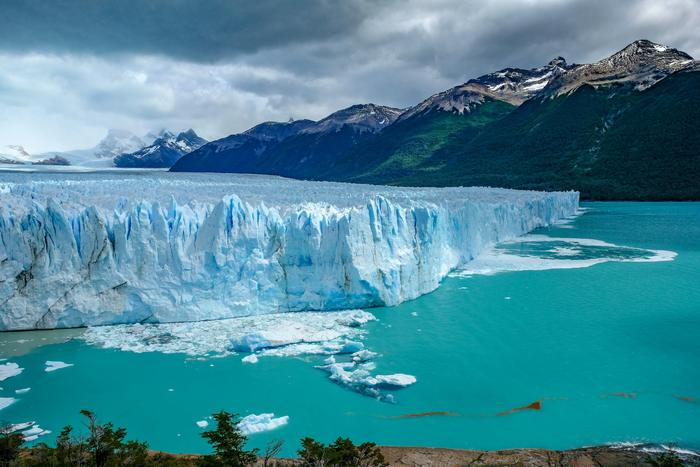
Argentina
Buenos Aires has the best steakhouses and nightlife in South America.
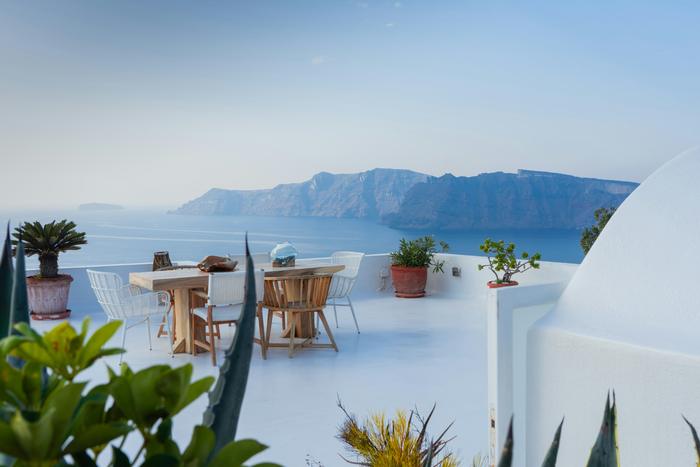
Greece
Ruins in the morning, a swim by noon, taverna until dark.
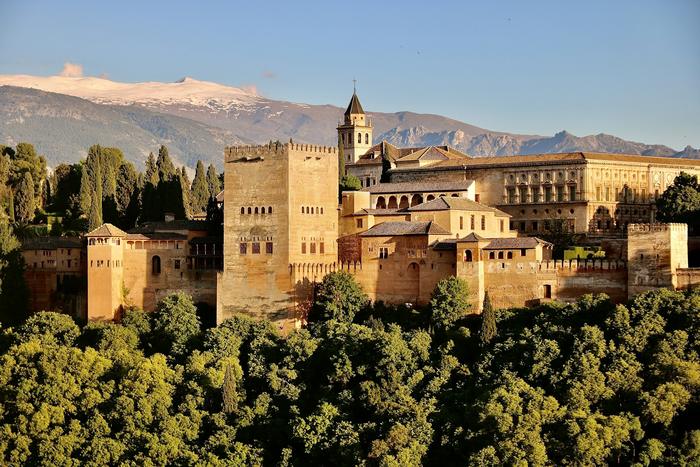
Spain
Food, beaches, and three or four cities that each justify the trip.
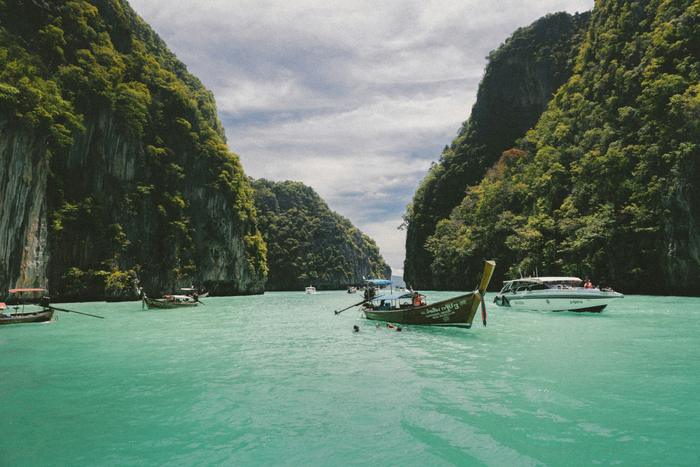
Thailand
The complete package for warm-climate travel.
Not sure where to go
Take the 5-minute quiz
Answer a few honest questions and get matched to destinations that actually fit how you travel.
Start the quiz