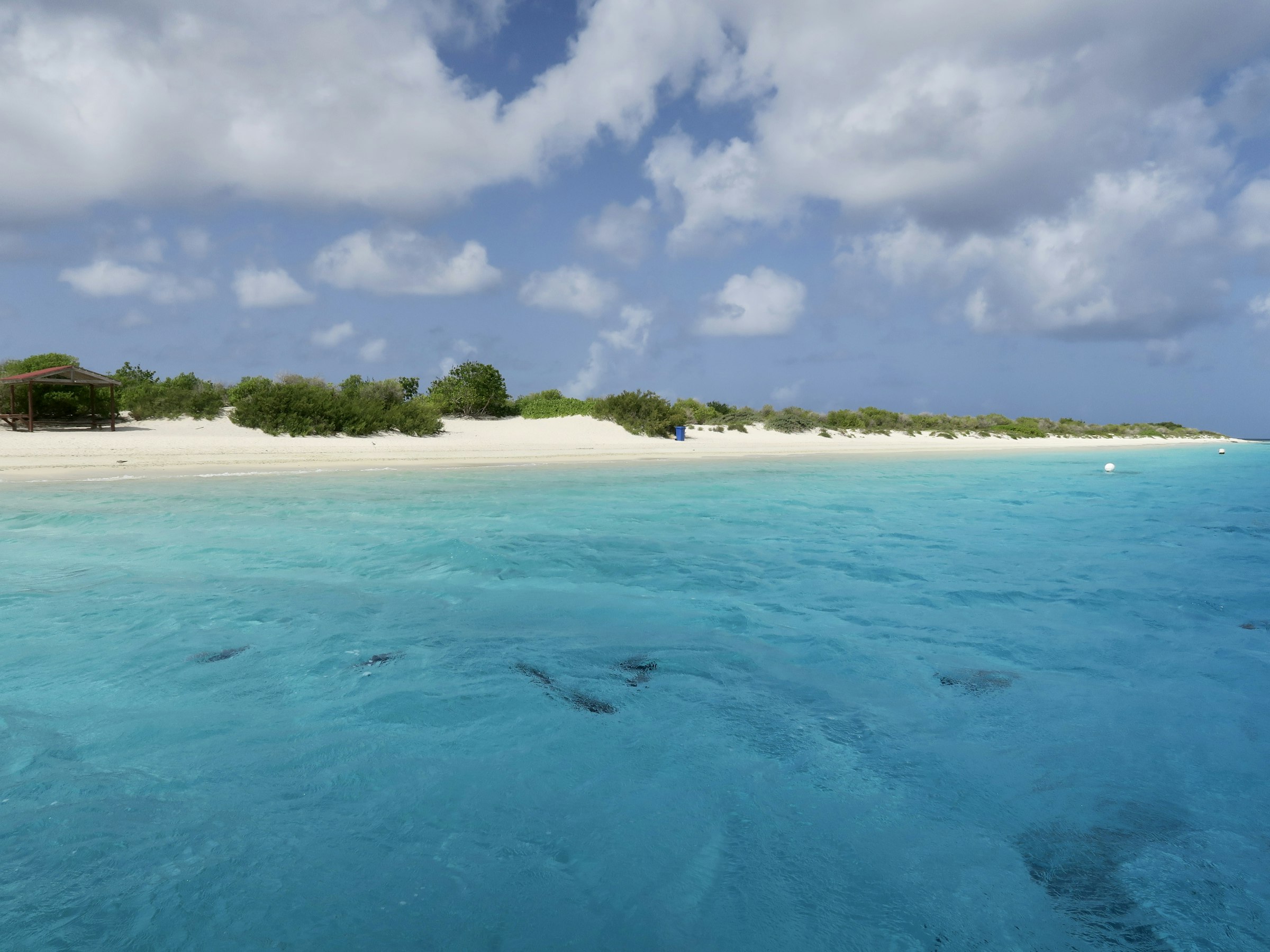
Bonaire
The best shore diving on earth, outside the hurricane belt, with flamingos in the salt pans.
Bonaire is a diving island first and everything else a distant second. Its entire coastline is a protected marine park, the reef starts a few metres from the shore, and yellow roadside stones mark dive sites you can reach by driving up, parking, and walking in with a tank. Add flamingos in the salt pans, reliable wind for kiting, a dry desert landscape of cactus and divi-divi trees, and — crucially — a position south of the hurricane belt.
Shore diving is the whole culture here. You rent a pickup, load tanks in the back, and work your way down the leeward coast stopping at numbered yellow stones: 1000 Steps, Salt Pier, Karpata. No boats, no schedules, no dive-shop herding — just you and a reef wall that starts in waist-deep water. Klein Bonaire, the uninhabited islet offshore, has the best of it and a water taxi runs across. Above water, Washington Slagbaai National Park covers the wild north, Lac Bay's shallow flats are among the world's best places to learn windsurfing, and the southern salt pans hold flamingos and the grim little slave huts left from the salt industry.
The honest part: if you don't dive or get in the water, Bonaire will bore you quickly — the beaches are rocky rather than sandy, the island is dry and scrubby, and Kralendijk is a very small town with a modest restaurant scene. Cruise ships call and briefly crowd it. Prices are not especially cheap for the Caribbean. But being outside the hurricane belt means it works reliably in September and October when most of the region gambles, and for divers there is genuinely nowhere easier.
Highlights
-
Shore diving the marine park
Yellow roadside stones mark dozens of sites you drive to and walk into. Unique in the world.
-
Klein Bonaire
An uninhabited islet with the island’s best reef and its only real stretch of sand.
-
Flamingos at Pekelmeer
One of the Caribbean’s few flamingo breeding grounds, in the southern salt pans.
-
Lac Bay windsurfing
Shallow, flat, reliably windy — where a lot of the world’s windsurfers learned.
-
Washington Slagbaai National Park
The wild, cactus-covered north, with rough tracks, blowholes and empty coves.
-
The slave huts
Tiny stone shelters by the salt pans — a stark reminder of what the industry was built on.
Practical info
- Visa
- Special municipality of the Netherlands. Visa-free for most Western passports (typically 90 days); Schengen rules do not apply here.
- Currency
- US Dollar (USD) — despite being Dutch.
- Language
- Dutch and Papiamentu official; English and Spanish widely spoken.
- Safety
- Very safe; the main risks are diving-related — respect the marine park rules and do not touch the coral.
- Getting around
- Rent a pickup (driving on the right) — it is how divers move tanks, and the island expects it.
- Tap water
- Tap water is desalinated and excellent.
- Plug type
- Type A Type B Type C Type F 127V
- Money
- Cards widely accepted; carry some cash for park fees and small places.
General guidance — visas, safety, and health change, so check your government's travel advisory and the official sources before you go.
Common questions
- When is the best time to visit Bonaire?
- Bonaire is at its best in Most of the year.
- How many days do you need in Bonaire?
- Most trips run about 1 week, depending on how much ground you want to cover.
- Is Bonaire expensive?
- Plan for budget – mid-range daily spend, depending on how you travel.
- Is Bonaire safe for travelers?
- Very safe; the main risks are diving-related — respect the marine park rules and do not touch the coral.
- Do you need a visa for Bonaire?
- Special municipality of the Netherlands. Visa-free for most Western passports (typically 90 days); Schengen rules do not apply here.
If you like Bonaire, also consider
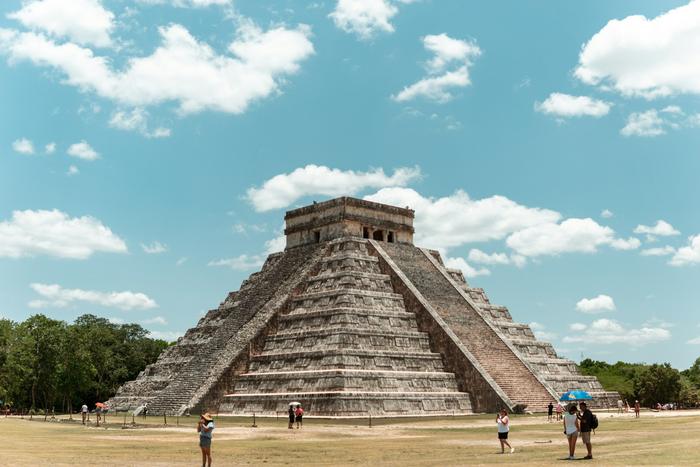
Mexico
Mexico City is world-class. Add the coast, ruins, and food culture.
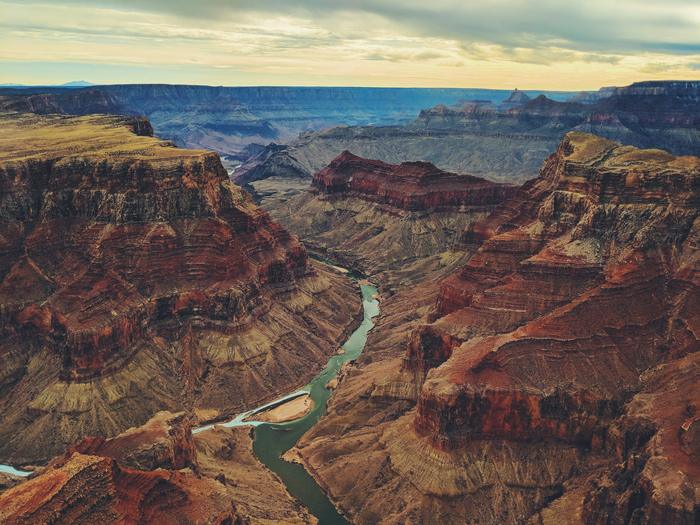
United States
A continent pretending to be a country — cities, deserts, and the best national parks anywhere.
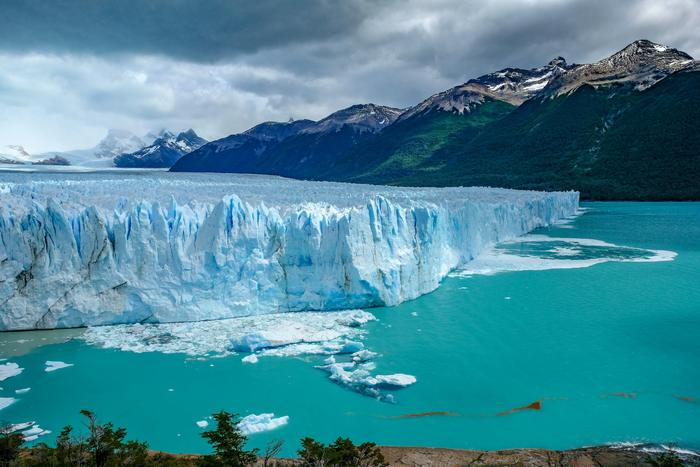
Argentina
Buenos Aires has the best steakhouses and nightlife in South America.
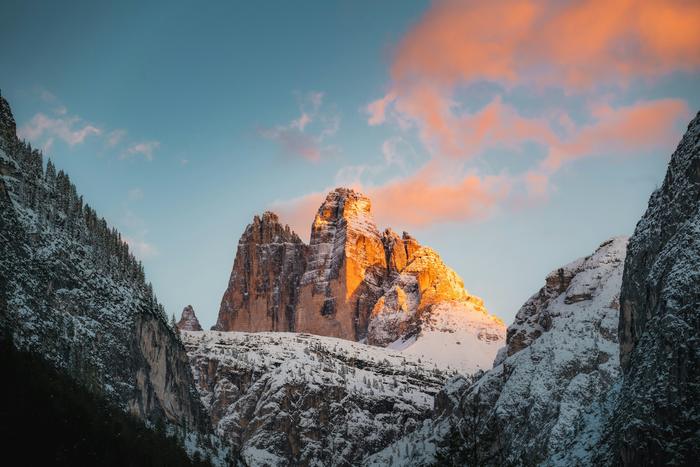
The Alps
The ski and alpine benchmark — every other mountain range is measured against this.
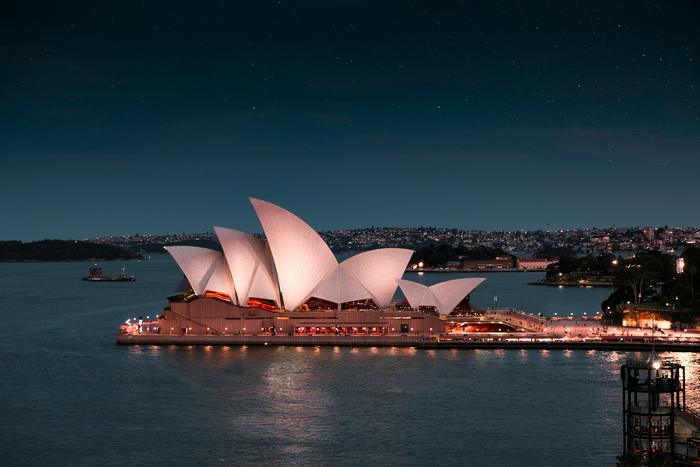
Australia
Vast, varied, relaxed. Reef, Sydney, and proper wilderness in one.
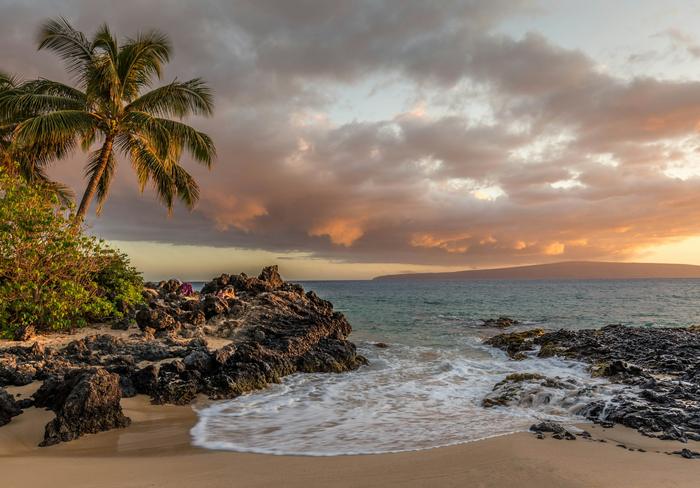
Hawaii
A handful of islands where the landscapes and the ocean genuinely earn the flight.
Not sure where to go
Take the 5-minute quiz
Answer a few honest questions and get matched to destinations that actually fit how you travel.
Start the quiz