Bermuda
Pink-sand coves and a very British subtropical island — a two-hour hop off the US coast, not the Caribbean.
Bermuda isn't in the Caribbean, however often it gets lumped there — it's a lone subtropical island in the North Atlantic, a couple of hours by air from the US East Coast, kept mild by the Gulf Stream. What it trades on is a very particular blend: powder-pink beaches and turquoise coves, a genuinely old and pretty British-colonial layer, and some of the best wreck diving in the Atlantic. It's small, polished, and pricey.
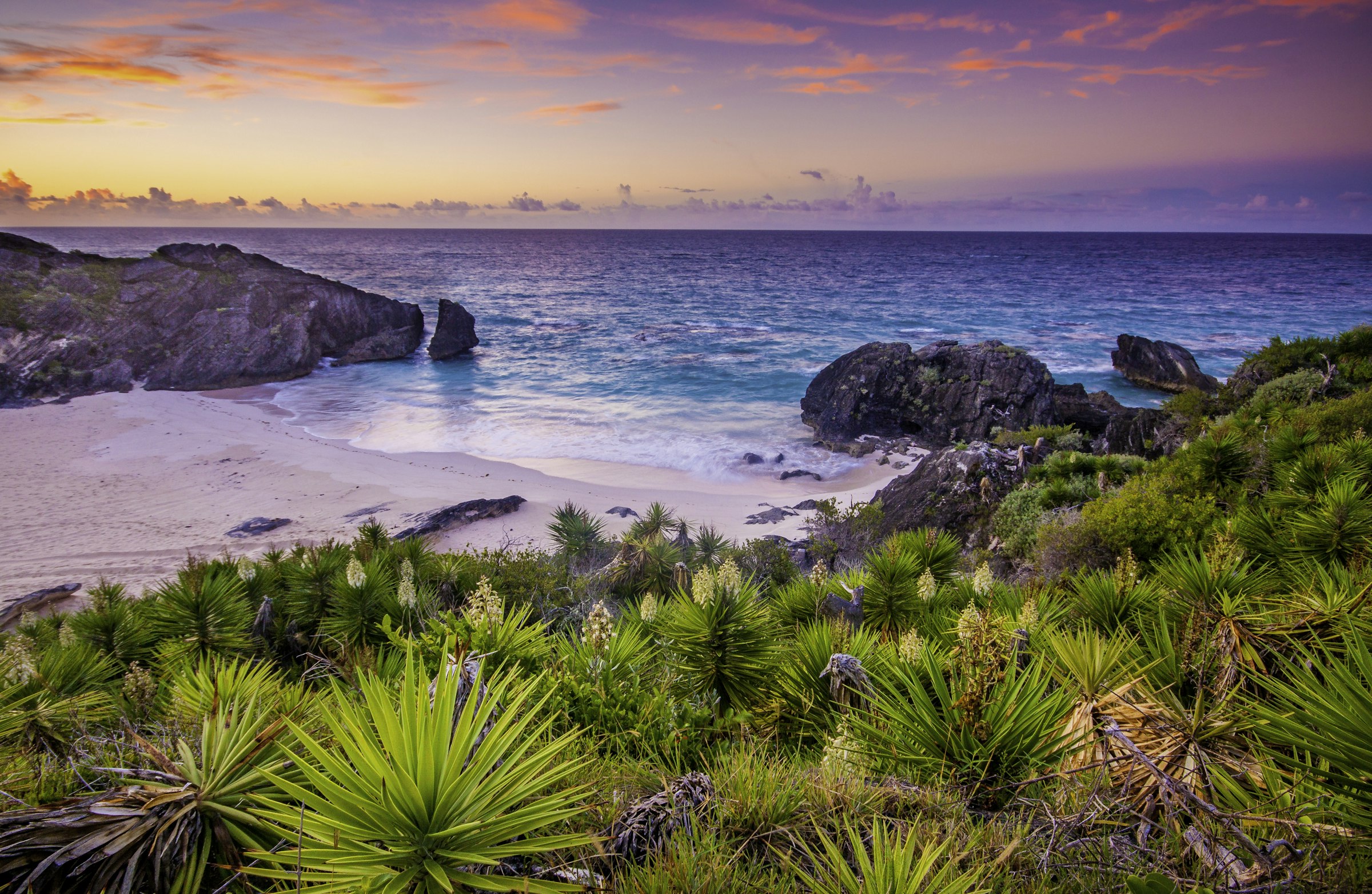
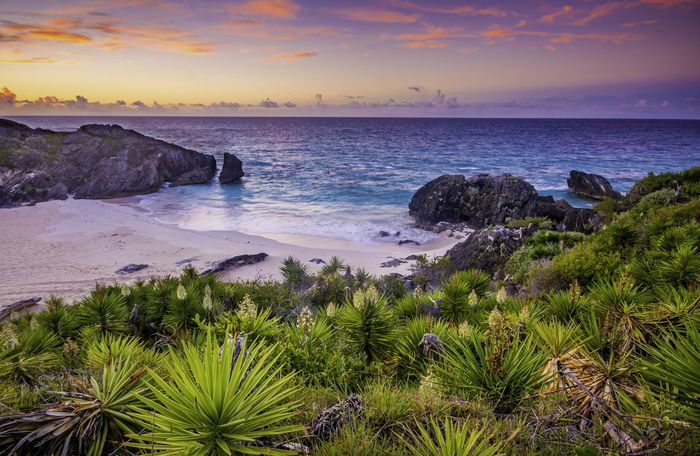
The beaches are the headline, and they earn it — Horseshoe Bay and the string of coves along the South Shore have the famous blush-pink sand (crushed coral and shell) against clear water, backed by the black volcanic rock in your photo. Beyond the sand, the island is compact and full: the Crystal and Fantasy Caves drip with stalactites over underground pools; St George's, at the eastern end, is a UNESCO-listed maze of lanes and the oldest continuously inhabited English town in the New World; and the pastel capital, Hamilton, does the shopping and the harbour. Divers come for the 300-odd shipwrecks scattered across the reefs. You get around by scooter, ferry, bus, or one of the tiny two-seater 'minicars' — tourists famously can't rent a normal car, which keeps the roads sane.
The honest part: Bermuda is expensive — one of the priciest island destinations anywhere, with hotel and restaurant bills to match its finance-hub economy, and no cheap way to do it. It's also emphatically seasonal: the swimmable, beach-worthy window is roughly May to October, and outside that the island is mild but too cool for the water, with many resorts winding down. Hurricane season (August to October) is a real if often-glancing risk. And it's genteel rather than lively — this is pink shorts and afternoon rum swizzles, not a party. Come in the warm half of the year, accept the prices, and you get a beautiful, safe, easy long-weekend island a short flight from the Eastern Seaboard.
Highlights
-
Horseshoe Bay & the South Shore
The blush-pink-sand coves against turquoise water and black rock — the island’s signature.
-
Crystal & Fantasy Caves
Stalactite-hung caverns over glassy underground pools, walked on floating pontoons.
-
St George’s
A UNESCO-listed colonial town — the oldest continuously inhabited English settlement in the New World.
-
Shipwreck diving
Some 300 wrecks on the surrounding reefs make this one of the Atlantic’s great dive destinations.
-
Hamilton
The pastel harbour capital — shopping, ferries, and the jumping-off point for the island.
-
The Railway Trail
A car-free path along the old railway line, walked or biked past coast and coves.
Practical info
- Visa
- Visa-free for most Western passports (British Overseas Territory). Verify before travel.
- Currency
- Bermudian Dollar (BMD), pegged 1:1 to USD; US dollars accepted everywhere.
- Language
- English (official).
- Safety
- Very safe; ordinary precautions only.
- Getting around
- No rental cars for visitors — get around by scooter, two-seater minicar, ferry, bus, or taxi.
- Tap water
- Tap water (roof-collected rainwater) is safe to drink.
- Plug type
- Type A Type B 120V
- Money
- Cards accepted everywhere; USD works interchangeably with the local dollar.
General guidance — visas, safety, and health change, so check your government's travel advisory and the official sources before you go.
Common questions
- Is Bermuda in the Caribbean?
- No — it’s a subtropical mid-Atlantic island, about 1,030 km off North Carolina and over 1,200 km north of the nearest Caribbean island. It’s warm in summer but has a cool, breezy winter, not a tropical climate. See getting there.
- Can I rent a car?
- No — visitors cannot hire a standard car (a long-standing rule to protect the narrow roads). You get around by the pink buses, ferries, taxis, a rented electric minicar (~US$100/day) or a scooter (~US$40–60). The options are in getting around.
- Do I still need a Travel Authorisation or pay a fee?
- No — the paid, COVID-era Travel Authorisation was abolished on 14 November 2022. Air arrivals now complete only the free Bermuda Arrival Card online shortly before travel; cruise passengers are exempt.
- Do I need a visa, and what’s the currency?
- No visa for US/UK/Canada/EU (commonly up to 90 days, onward ticket required). Pay in US dollars — the Bermudian dollar is pegged 1:1 and US notes are accepted interchangeably.
- When should I go?
- May–October for swimming — the sea is warmest June to September. The winter (December–March) is cool and windy, with many hotels and restaurants closed. Hurricane season is June–November, but Bermuda is built for storms.
- Why is the sand pink, and are the beaches free?
- The rosy tint comes from the red shells of foraminifera mixed into the white sand. The South Shore beaches — Horseshoe Bay, Warwick Long Bay, Jobson’s Cove — are all free and public. More in the pink-beaches section.
Entry
A free arrival card, no visa
The paid Travel Authorisation is gone — all that remains is a free online card.
Entry is simple and free. The COVID-era paid Travel Authorisation was abolished in November 2022; air arrivals now complete only the free Bermuda Arrival Card online in the days before travel, generating a confirmation but no fee and no approval wait. Cruise passengers skip even that.
There’s no visa for US, UK, Canadian or EU visitors (commonly up to 90 days, with an onward ticket), and nothing to convert on arrival — the Bermudian dollar is pegged 1:1 to the US dollar and US cash is used interchangeably.
| From | To | Time |
|---|---|---|
| New York | Bermuda (BDA) | ~2h10 |
| Boston | Bermuda | ~2h |
| Toronto | Bermuda | ~3h |
| London | Bermuda | ~7h45 |
One airport — L.F. Wade International (BDA). Cruise passengers are exempt from the Arrival Card; air passengers complete the free form shortly before flying and need no fee or approval.
Fill in the free Arrival Card a day or two before you fly — it’s quick, but it’s expected at check-in, and leaving it to the airport is the one avoidable snag. Don’t pay any site that charges a “Travel Authorisation” fee; that requirement ended in 2022 and the current card costs nothing.
Where it is
Mid-Atlantic, not Caribbean
Two hours from New York but a thousand kilometres from the tropics — the first thing to get right.
~2 hours from New York or Boston
Getting the geography right changes what you pack and when you go: Bermuda is a subtropical mid-Atlantic island, not a Caribbean one. It’s a quick flight from the US East Coast and a single, compact destination — a narrow, 35-km fishhook of linked islands with one airport and no onward island-hopping.
That compactness is the appeal — everything is close — but the no-car rule (next section) means “close” still takes planning by bus and ferry.
Pack for a subtropical shoulder climate, not the tropics, especially outside high summer — evenings are breezy, the sea is cool in winter, and a light layer earns its place. The one airport means no domestic connections to fret over; it’s wheels-down and straight into the (car-free) logistics.
Pink beaches
The South Shore, and why it’s pink
The beaches are the headline — genuinely pink, free, and strung along the south coast.
Foraminifera the red shells that tint the sand pink
The South Shore is one long run of pink-sand beaches, and they’re the reason most people come. Horseshoe Bay is the busy, fully-serviced headliner; a short walk west, Warwick Long Bay is longer and calmer, with the jewel-box Jobson’s Cove tucked beside it. All are public and free to walk onto.
Because the island is so small, you can hop between several South Shore beaches in a day — the one catch being that you’ll do it by bus, scooter or minicar, not a hire car.
| Beach | Where | Note |
|---|---|---|
| Horseshoe Bay | South Shore | The headline — crescent bay, lifeguards, concession |
| Warwick Long Bay | South Shore | Long and quieter, just west |
| Jobson’s Cove | South Shore | Tiny sheltered cove beside Warwick Long Bay |
| Elbow Beach | South Shore | Part public, part hotel-fronted |
All free and public; you pay only for chair-and-umbrella rental and the concession. Reefs offshore calm the water at Horseshoe Bay, and seasonal lifeguards and foot showers make it the family default.
The pink is subtler than the brochures — strongest in soft morning or evening light and where shell fragments collect, not a neon stripe. Go early at Horseshoe Bay to beat the cruise-day crowds, and walk the coastal path west to Warwick Long Bay and Jobson’s Cove for the quieter, prettier end.
Getting around
No rental cars — here’s how you move
The defining practical fact: visitors can’t hire a car, so you plan around buses, ferries and two-seaters.
- Reaching the South Shore beachesSkipwaiting for a taxiGothe pink bus along the South Road, or a scooter
- Crossing to the DockyardSkipthe long bus ride aroundGothe fast ferry across the Great Sound
- Door-to-door with luggageSkipthe bus with bagsGoa taxi (pricey) or a rented minicar
| Option | What | Fare |
|---|---|---|
| Pink buses | 14 fare zones island-wide | US$3.50 (≤3 zones) / US$5 (longer) |
| Ferries | Across the Great Sound — also sightseeing | US$3.50–5 by zone |
| Transport pass | Buses + ferries, all zones | US$19 (1-day) – US$62 (7-day) |
| Minicar / scooter | Rented electric two-seater / moped | ~US$100/day / ~US$40–60/day |
Fares from the government transport authority, 2026; pay and track via the Shorelink app. Taxis fill the gaps but are pricey. No standard car hire exists for visitors — the minicar (a Twizy-type EV, pioneered by “Current”) is the nearest thing.
Buy a multi-day Transport Pass on arrival rather than paying per ride — at US$5 a single long trip, two or three journeys a day make the 1-day (US$19) or 7-day (US$62) pass pay for itself. Scooters are the local way to roam freely, but the roads are narrow and crashes are a notable visitor-injury source, so ride cautiously.
Towns & caves
Hamilton, St George’s and the Dockyard
Three set-pieces: a tidy capital, the oldest English town in the New World, and a fortified naval base.
Hamilton is the small, walkable capital on the central harbour — Front Street shopping, ferries, and the island’s dining. At the east end, St George’s is the historic heart: founded in 1612 after the wreck of the Sea Venture, it’s the oldest continuously-inhabited English town in the New World and a UNESCO World Heritage Site, with the old State House and Georgian lanes.
At the west end, the Royal Naval Dockyard — the former Royal Navy base — is now the cruise port and home to the National Museum of Bermuda inside its ramparts. Between them, the Crystal Caves are the island’s one great underground sight.
The three set-pieces sit at the two ends and the middle of a long, thin island, so chain them by ferry and bus rather than backtracking: ferry to the Dockyard, bus or ferry along to Hamilton, and a separate day east to St George’s and the caves. The Crystal Caves combo ticket (US$35) covers both caves if you’re already out that way.
When to go
Summer beach, quiet winter
A real off-season sets Bermuda apart from the Caribbean — winter genuinely closes down.
~28°C the sea at its summer warmest (Jun–Sep)
Cup Match — the island’s great two-day cricket-and-holiday — falls in late July or early August. The crimson bar is the beach season; the winter off-season is real, so check seasonal hotel and restaurant closures before a December–March trip.
Bermuda runs on a summer-beach, quiet-winter calendar that a Caribbean regular won’t expect. The water is swimmable May to October, warmest June to September; the winter (December–March) is cool and windy, with a swathe of hotels and restaurants simply shutting for the season.
The shoulders — April–May and September–October are the sweet spot: warm enough to swim, quieter, and cheaper. Hurricane season (June–November) overlaps high summer, but the island’s strict building codes and preparedness mean a storm is a disruption, not a catastrophe.
Money
Pegged to the dollar, and pricey
Easy on currency, hard on the wallet — one of the costliest destinations anywhere.
Money is frictionless — the Bermudian dollar is pegged 1:1 to the US dollar, and US cash is accepted everywhere, so there’s nothing to convert. The sting is the cost of living: an isolated island that imports almost everything, Bermuda prices lunches, taxis and rooms well above both US and Caribbean levels.
Restaurants and hotels typically add a service charge of around 15–17%, so check the bill before tipping again, and budget structurally high. The relief is that the best of Bermuda — the pink beaches, the St George’s lanes, the Dockyard ramparts — is free; the buses and ferries are the cheap way to reach all of it.
Lean on the free and the public to balance the budget: beaches, historic towns and coastal paths cost nothing, and the Transport Pass moves you between them cheaply. The money goes on rooms and restaurants — so a smaller guesthouse and the odd picnic from a grocery do more here than on almost any island.
Golf, diving & culture
Fairways, wrecks and Bermuda shorts
Beyond the beach: golf, shipwreck diving, and a very British colonial character.
Bermuda packs an outsized amount beyond the sand. It has one of the highest golf-course densities on earth — around nine courses on 54 km² — and the clear, reef-ringed water makes it the wreck-diving capital of the Atlantic, with hundreds of shipwrecks from Spanish galleons to Victorian steamers.
The character is distinctly British-colonial: Bermuda shorts worn semi-formally with long socks and a jacket, afternoon tea, cricket (the Cup Match is a national event), and pastel limestone cottages with the white stepped roofs that catch rainwater. The “Bermuda Triangle” is folklore — no agency recognises any genuine excess of disappearances.
If you dive, bring or rent gear for the wrecks specifically — the shallow, clear-water wreck sites are Bermuda’s underwater signature, unlike the reef-and-wall diving of the Caribbean. And don’t take the Triangle seriously: it’s a tourist-shop motif, not a hazard, and locals treat the whole idea with a shrug.
Compare Bermuda
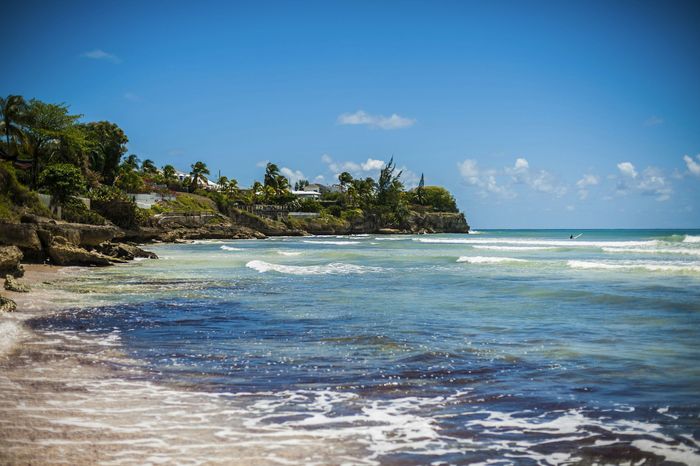
If you like Bermuda, also consider
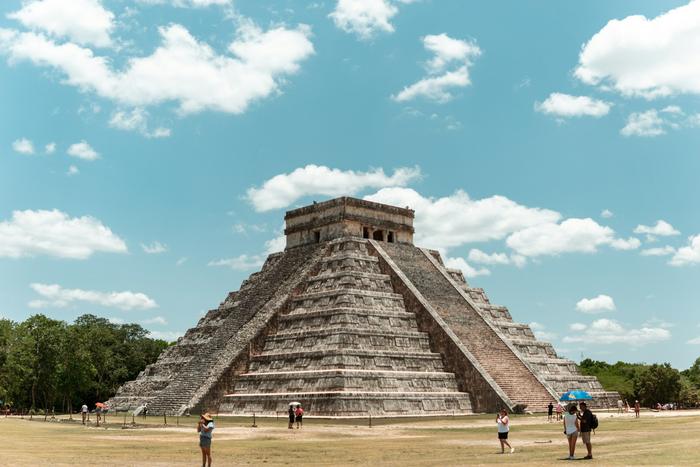
Mexico
Mexico City is world-class. Add the coast, ruins, and food culture.
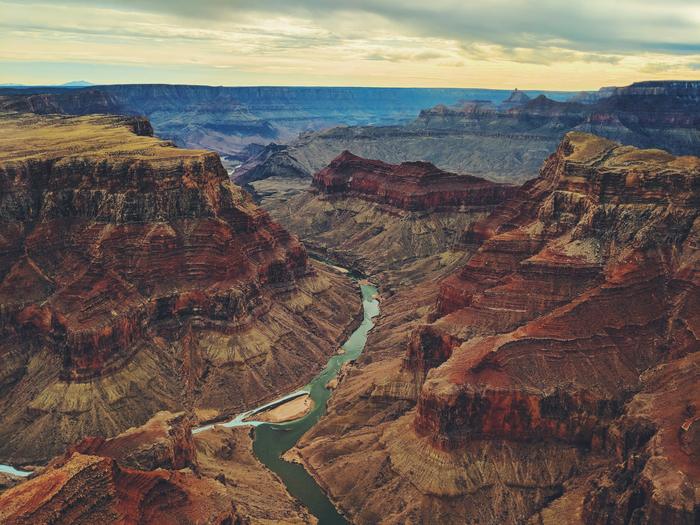
United States
A continent pretending to be a country — cities, deserts, and the best national parks anywhere.
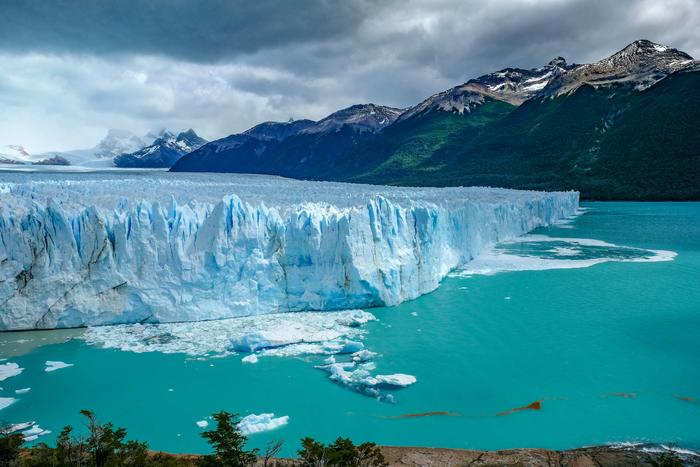
Argentina
Buenos Aires has the best steakhouses and nightlife in South America.

Greece
Ruins in the morning, a swim by noon, taverna until dark.

Spain
Food, beaches, and three or four cities that each justify the trip.
Thailand
The complete package for warm-climate travel.
Not sure where to go
Take the 5-minute quiz
Answer a few honest questions and get matched to destinations that actually fit how you travel.
Start the quiz