Belize
A reef-and-jungle two-parter where everyone speaks English.
Belize is two trips stitched together: a barefoot stretch on the cayes where the whole day is about the water, and a sweaty, thrilling interior of Maya ruins and river caves. It's tiny — you can cross the country in a morning — and it's the one place in Central America where English is the official language, so the usual friction of buses, bookings, and bargaining simply melts away.
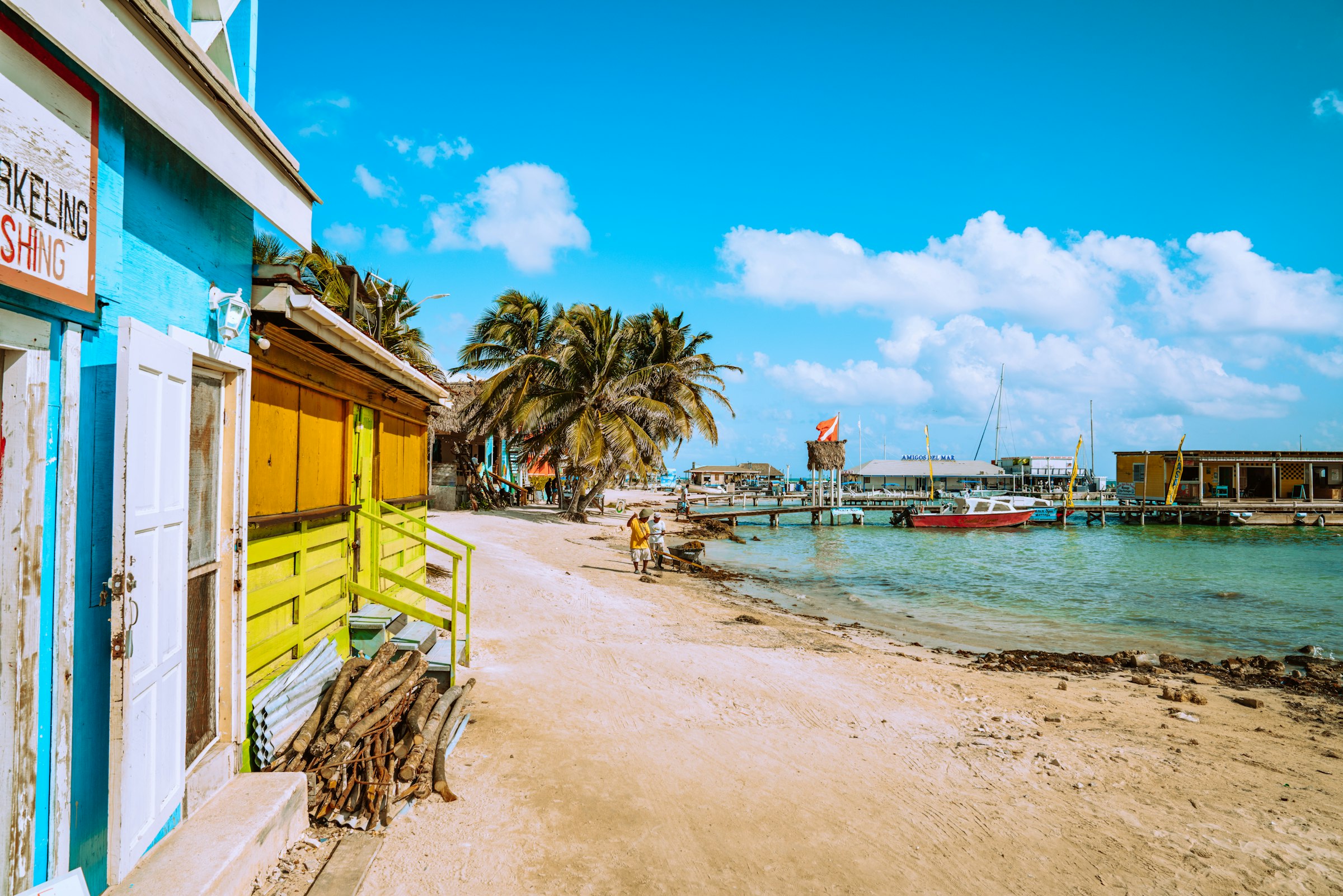
Most people split their time. The cayes come first: Ambergris and Caye Caulker sit on the Belize Barrier Reef, the second-largest in the world, so you snorkel and dive straight off a boat, then do very little else — a hammock, a rum, a golf cart to dinner. Then you cross to the mainland for the other half, where the jungle interior hides Caracol and Xunantunich, the eerie underground river of Actun Tunichil Muknal, and jaguar country at Cockscomb. Getting around is easy and even fun: puddle-jumper flights and water taxis hop you between the islands, and buses or a rental handle the interior. The scale is the gift here — you can do reef and ruins in a single week without ever feeling rushed.
The honest part: Belize is noticeably pricier than neighbouring Guatemala or Mexico for what you actually get, and the maths doesn't always flatter it. The cayes are about the sea, not the sand — the beaches are thin and mostly a place to launch a boat, not the wide tropical strand you might be picturing. And Belize City, where flights land, is rough enough that the advice is to pass straight through and not linger. What you're paying for is the trade-off that keeps people coming back: a world-class reef and genuinely adventurous jungle, delivered with no language barrier at all.
Highlights
-
Great Blue Hole
The famous marine sinkhole — a bucket-list dive, or flightsee it if you don't dive.
-
Ambergris Caye & Caye Caulker
Snorkel and dive the Belize Barrier Reef, then do nothing at all.
-
Actun Tunichil Muknal (ATM)
Wade and swim into a river cave to Maya skeletons and pottery. Unforgettable.
-
Caracol & Xunantunich
Maya ruins deep in the jungle — climb the temples for the canopy view.
-
Cockscomb Basin
Jaguar reserve and jungle-lodge country for hiking and rivers.
-
Placencia
The mainland's best beach town and a laid-back base for the south.
Practical info
- Visa
- Visa-free for most Western passports (30 days). Verify before travel.
- Currency
- BZD (Belize Dollar), pegged 2:1 to USD; US dollars accepted everywhere.
- Language
- English (official), plus Kriol, Spanish, and Maya languages.
- Safety
- The cayes and tourist areas are safe; Belize City has crime, so pass through.
- Getting around
- Puddle-jumper flights or water taxis to the cayes; buses or a rental on the mainland.
- Tap water
- Stick to bottled water.
- Plug type
- Type A Type B Type G 110V
- Money
- Cards work on the cayes; carry cash inland.
General guidance — visas, safety, and health change, so check your government's travel advisory and the official sources before you go.
Common questions
- Do I need a visa for Belize?
- No — US, UK, EU, Canadian and Australian citizens enter visa-free for up to 30 days (extendable for a fee), with a passport valid 6 months and, if asked, an onward ticket. See entry.
- What’s this higher departure fee?
- From about 1 April 2026 the air departure fee rose to BZ$111 (~US$56), driven by the PACT conservation fee jumping from BZ$7.50 to BZ$40. It’s usually bundled into your airfare; land-border exits are charged differently (cash). See entry.
- Can I dive the Great Blue Hole as a beginner?
- Not really — the Blue Hole is an advanced dive (124 m deep, out at Lighthouse Reef, ~2+ hours by boat). Many visitors skip the dive and take a scenic flight over it instead, and dive the shallower reefs. See the reef.
- Cayes or the mainland?
- Both — the classic trip splits between a caye (Ambergris for buzz, Caye Caulker for laid-back, Placencia/Hopkins for mainland beach) for the reef, and Cayo inland for Maya ruins, caves and jungle. See the cayes and inland.
- Is Belize safe?
- The tourist areas (the cayes, Placencia, Cayo, Hopkins) are generally fine; the real flag is Belize City’s South Side, where most violent crime concentrates (US State Dept: Level 2, "Reconsider Travel" to the South Side). See culture & safety.
- When should I go?
- The dry season (late Nov/Dec–May) is peak and best for weather; June–November is wet and hurricane season. Lobster season opens mid-June. See when to go.
Entry
Easy in — with a bigger exit fee
Visa-free and English-speaking; the one change is a higher departure fee.
Belize is one of the easiest entries in the region: US, UK, EU, Canadian and Australian visitors get up to 30 days visa-free on arrival (extendable for a fee), needing a passport valid six months and, if asked, an onward ticket and proof of funds. Being English-speaking makes officials, driving and operators refreshingly straightforward.
The one thing to budget for is the departure fee, which rose around 1 April 2026 to BZ$111 (~US$56) — the jump came almost entirely from the PACT conservation fee (BZ$7.50 → BZ$40), which funds the marine reserves. For air travel it’s typically already inside your ticket price; land-border crossings are charged differently and in cash.
The higher departure fee (~US$56) is new as of April 2026 — for flights it’s usually bundled into the fare, so check your ticket rather than expecting a surprise cash desk. If you’re leaving overland (to Guatemala or Mexico), carry cash: the land-border exit mechanics differ and are worth re-confirming close to travel.
The reef
The second-largest reef, and a giant blue eye
A UNESCO barrier reef and the world’s most famous marine sinkhole.
318 m wide the Great Blue Hole — 124 m deep, off Lighthouse Reef
The reef is the headline. The Belize Barrier Reef — a ~300 km stretch of the Mesoamerican system — is the second-largest in the world after Australia’s, a UNESCO World Heritage site removed from the danger list in 2018 after Belize banned offshore oil drilling and protected its mangroves. The snorkelling and diving are superb: Hol Chan Marine Reserve and the adjacent Shark Ray Alley (nurse sharks and rays), plus the atolls of Turneffe, Lighthouse and Glover’s.
The icon is the Great Blue Hole, out on Lighthouse Reef — but temper expectations: it’s a deep, advanced dive best appreciated from the air, while the reef’s real everyday magic is the shallow, fish-dense stuff anyone can snorkel.
Pick the reef experience to your level: the Blue Hole is for advanced divers (or a scenic flight), while Hol Chan and Shark Ray Alley give everyone a world-class snorkel. Don’t count on the once-famous whale-shark aggregations at Gladden Spit (March–June) — they’ve declined sharply since the late 2000s and are now a rare bonus, not a reliable draw.
The cayes
Which island — and the mainland beach option
Three different moods on the water — pick to taste.
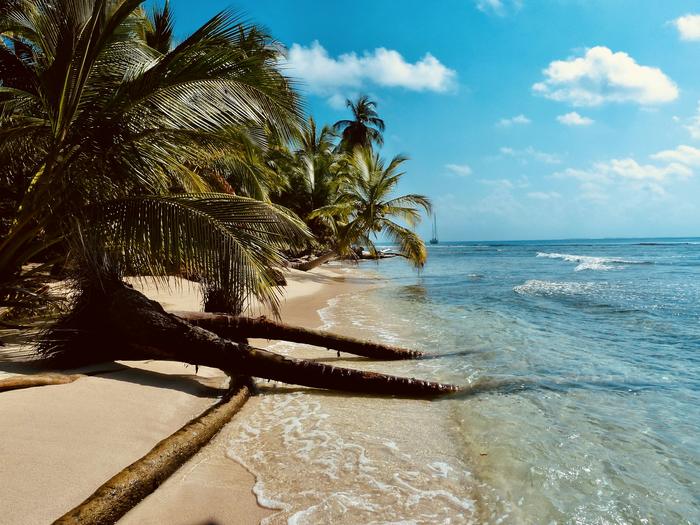
Because the reef sits offshore, the cayes are more about the water than wide sand. Ambergris Caye (San Pedro) is the biggest and busiest — the most hotels, restaurants and dive operators, and the launch point for Hol Chan. Caye Caulker is its small, barefoot, "Go Slow" cousin: golf-cart lanes and the Split swimming cut.
For a genuine beach on the mainland, the Placencia peninsula has the long sand (and the Silk Caye/Gladden snorkel trips), while Hopkins and Dangriga add living Garifuna culture — drumming, food and music — to a quieter stretch of coast.
- Buzz, dining and dive shopsSkipexpecting a quiet beachGoAmbergris Caye / San Pedro
- Laid-back and cheapSkipbig-resort AmbergrisGoCaye Caulker — golf carts and the Split
- An actual sandy beachSkipthe narrow-beach cayesGoPlacencia or Hopkins on the mainland
| Base | Mood | Note |
|---|---|---|
| Ambergris Caye (San Pedro) | The largest, liveliest caye | Most hotels/dining; gateway to Hol Chan |
| Caye Caulker | Laid-back, budget, "Go Slow" | Golf-cart only; the Split swimming spot |
| Placencia | A mainland beach peninsula | Long sandy beach; base for Silk Caye snorkel |
| Hopkins / Dangriga | Garifuna culture + beach | Drumming heritage; quieter mainland coast |
The cayes sit behind the reef, so their "beaches" are more about the water and dock than wide sand — Placencia and Hopkins on the mainland give you the actual beach.
Inland
Maya temples, caves and jungle
The other half of Belize: Cayo’s ruins, rivers and caves.
~43 m Caana ("Sky Palace") at Caracol — still among Belize’s tallest structures
Inland Belize is a different trip entirely. Cayo, around San Ignacio in the west, is the adventure base: jungle lodges, rivers, waterfalls in the Mountain Pine Ridge, and the Maya ruins. The showpiece is Caracol (its Caana temple still among the country’s tallest buildings), but the most-visited is Xunantunich, reached by a charming hand-cranked ferry.
The other signature inland experiences are water-and-cave: cave tubing, and the extraordinary ATM cave (Actun Tunichil Muknal), where a guided scramble leads past Maya pottery and skeletal remains — cameras are banned after one damaged a skull.
| Site | What | Access |
|---|---|---|
| Caracol | The largest site; Caana temple ~43 m | Long rough road near the border; often escorted |
| Xunantunich | "El Castillo" ~40 m | Easiest — hand-cranked river ferry from San Ignacio |
| Lamanai | Mask & High temples by the lagoon | Scenic river-boat approach in the north |
| Altun Ha | The jade-head site (Belikin label) | Quick day trip from Belize City |
The adventure base is Cayo / San Ignacio in the west — also the launch for cave tubing and the ATM cave (Actun Tunichil Muknal), a guided archaeological cave with Maya remains where cameras are strictly banned.
Pair a caye with Cayo for the full Belize — reef plus jungle. The ATM cave is a genuinely physical, guided-only trip (wading and swimming through a cave) and no cameras are allowed inside, strictly enforced; Caracol’s remote road is sometimes travelled in an escorted convoy, so check access locally.
Getting around
Small planes, water taxis and two highways
A small country stitched together by short flights and boats.
Belize is small and well-linked. Tropic Air and Maya Island Air run frequent, inexpensive short hops between Belize City and San Pedro, Caye Caulker, Placencia and Dangriga — the quickest way to skip long transfers. To the cayes, water taxis leave Belize City regularly (about 45 minutes to Caye Caulker).
On the mainland, two routes do most of the work: the Western Highway (Belize City → Belmopan → San Ignacio → the Guatemala border) and the scenic Hummingbird Highway down to Dangriga and the south. Driving is on the right and everything is signed in English.
When to go
Dry season for weather, wet for the hurricanes
A clear split — and a real hurricane season to plan around.
The dry season (roughly late November to May) is high season and the safest weather bet; June–November is wetter and overlaps the Atlantic hurricane season (peak Aug–Oct), so build in flexibility and insurance.
The year divides cleanly: the dry season (late November–May) is high season — the best weather, the clearest water and the highest prices. The wet season (June–November) brings afternoon rain and, crucially, overlaps the Atlantic hurricane season (peak August–October), so Belize carries real storm exposure.
Timing a trip around food and festivals, lobster season opens mid-June (closed March to late June), and the Lobster Fests on the cayes and Placencia land in June/July.
Money
USD-friendly, but not cheap
Easy on the wallet to handle, harder than its neighbours to budget.
Money in Belize is simple to handle: the Belize dollar is pegged at BZ$2 to US$1, and US dollars are accepted almost everywhere (you’ll often get change in a mix of both). What catches people out is the price level — reef tours, island transfers, domestic flights and imported goods push Belize well above neighbouring Guatemala and Mexico, closer to Caribbean costs.
Budget accordingly: the reef and caye experiences are the expensive bit, while inland Cayo and mainland buses are gentler on the wallet.
| On the bill | Detail | Note |
|---|---|---|
| Currency | Belize dollar, pegged BZ$2 = US$1 | USD cash accepted almost everywhere |
| Price level | Closer to the Caribbean than Central America | Pricier than Guatemala or Mexico next door |
| Departure fee | ~US$56 by air (from Apr 2026) | Usually bundled into the airfare |
The fixed 2:1 peg makes mental maths easy and US dollars spend fine — but imports, island tourism and USD pricing mean Belize costs more than its land neighbours.
Culture & safety
A rare cultural mix, and one real flag
English-speaking and remarkably diverse — with Belize City the caveat.
For a small country Belize is extraordinarily mixed — Mestizo, Kriol, Maya (Yucatec, Mopan, Q’eqchi’), Garifuna (Afro-Indigenous, whose music and dance are UNESCO-recognised), plus Mennonite, East Indian and Chinese communities. English is official, Belizean Kriol is the street language, and the blend of Caribbean and Central American feels unlike anywhere nearby.
The one real caveat is Belize City: most violent and gang crime concentrates on the South Side, which the US State Dept flags "Reconsider Travel" within an overall Level 2. It rarely touches travellers, but the standard advice — avoid the South Side, don’t walk at night, be discreet at ATMs — applies.
Keep safety in proportion: the tourist areas (the cayes, Placencia, Cayo, Hopkins) are generally fine; the flag is specifically Belize City’s South Side, which you can largely bypass with a domestic flight or water taxi. On the cayes and beaches, the real daily nuisance is sandflies (no-see-ums) at dawn and dusk — bring strong repellent.
Compare Belize
If you like Belize, also consider
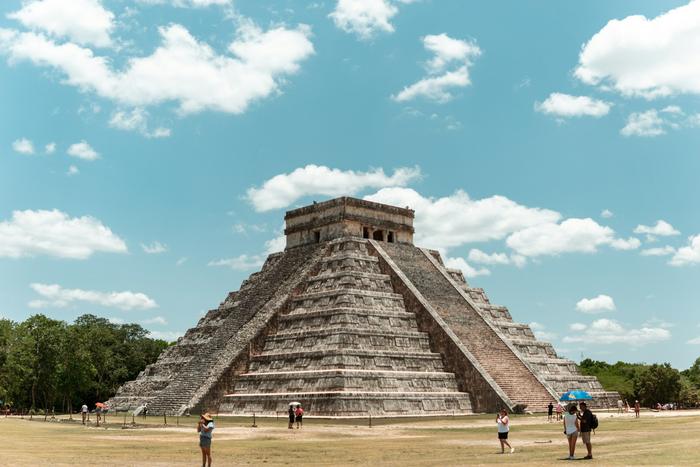
Mexico
Mexico City is world-class. Add the coast, ruins, and food culture.
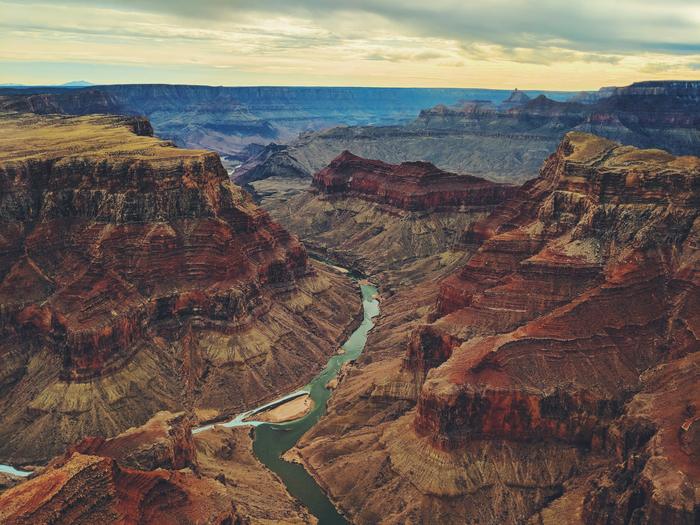
United States
A continent pretending to be a country — cities, deserts, and the best national parks anywhere.
Argentina
Buenos Aires has the best steakhouses and nightlife in South America.
The Alps
The ski and alpine benchmark — every other mountain range is measured against this.
Australia
Vast, varied, relaxed. Reef, Sydney, and proper wilderness in one.
Hawaii
A handful of islands where the landscapes and the ocean genuinely earn the flight.
Not sure where to go
Take the 5-minute quiz
Answer a few honest questions and get matched to destinations that actually fit how you travel.
Start the quiz