Anguilla
Thirty-three beaches, no high-rises, and not much else — deliberately.
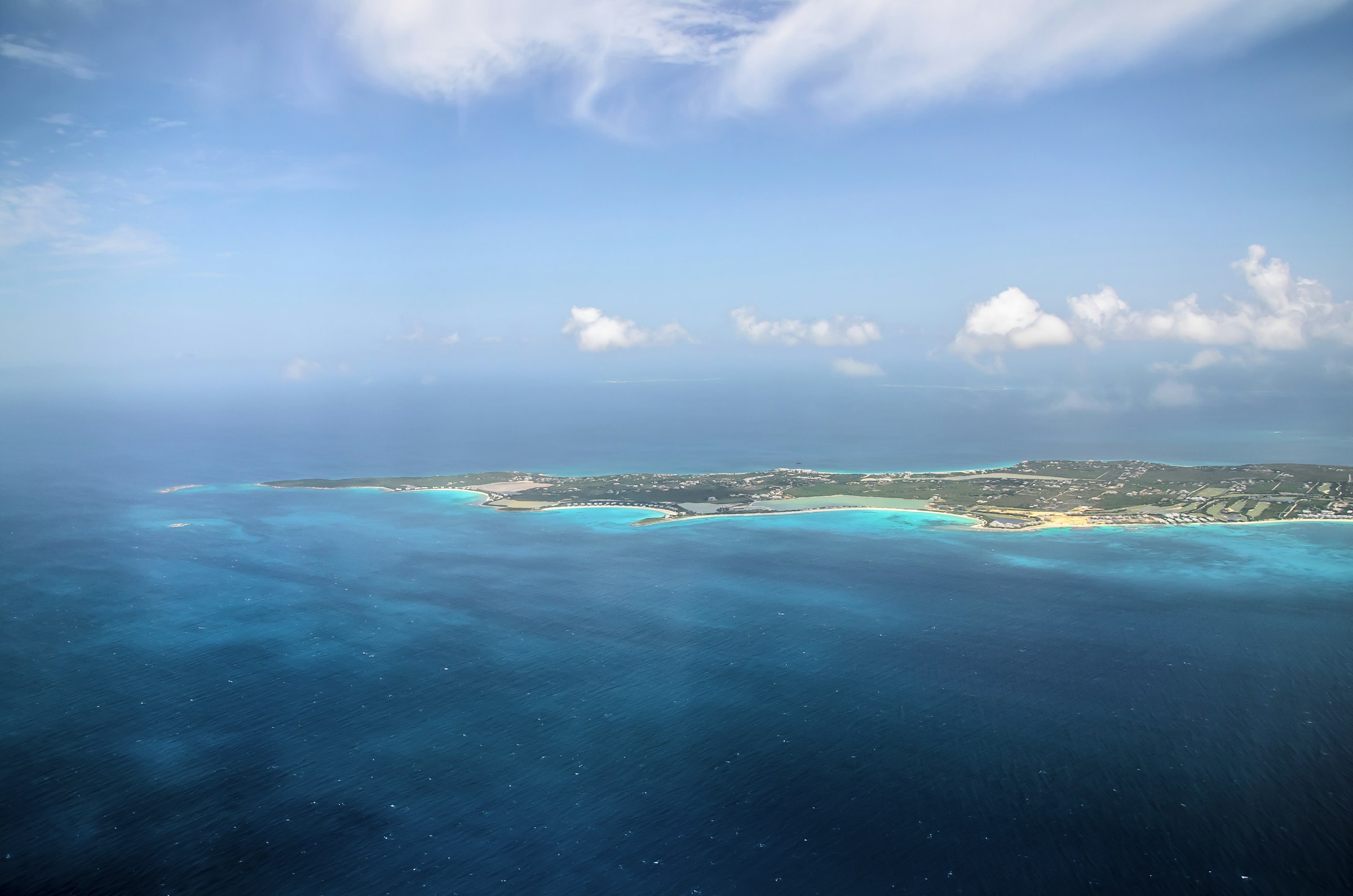
Anguilla is a flat scrub of coral sixteen miles long whose entire proposition is sand. It has some of the best beaches in the Caribbean — Shoal Bay East is regularly called the region's finest — a handful of expensive, low-slung resorts, a surprisingly good restaurant scene, and essentially nothing else. No casinos, no cruise pier, no nightlife beyond a few legendary beach bars. That emptiness is the product.
The beaches are the itinerary. Shoal Bay East is the famous one: two miles of powder with reef close in for snorkelling. Rendezvous Bay looks across at St Martin, Meads Bay holds the smart hotels, and Little Bay is reached by boat or by climbing down a rope. The other draw is food — for an island of 15,000 people, Anguilla eats extremely well, from Blanchards and Veya at the top end to grilled crayfish at roadside shacks. The beach bars are institutions: Dune Preserve, built out of driftwood and salvaged boats by the reggae musician Bankie Banx, is the one everybody means.
The honest part: there is genuinely nothing to do here beyond beach, eat, and swim — no interior, no hiking, no real sights, and that bores some people rigid within three days. It's expensive, with the top hotels priced against St Barths. Getting in means flying to St Martin and taking a ferry or a short hop, which adds a leg. And it's low and dry, so it lacks the drama of the volcanic islands. Come to do nothing, on very good sand, and it's close to perfect.
Highlights
-
Shoal Bay East
Two miles of powder with reef just offshore — routinely rated the best beach in the Caribbean.
-
Dune Preserve
A beach bar built from driftwood and old boats by a reggae musician. An institution.
-
Rendezvous Bay
A long calm arc looking across the channel at St Martin.
-
The restaurant scene
Absurdly good for 15,000 people — from white-tablecloth rooms to roadside crayfish.
-
Little Bay
A tiny cove reached by boat or by climbing down a rope — the island’s snorkelling secret.
-
Sandy Island
A sandbar with a bar on it, ten minutes offshore. Lunch and nothing else.
Practical info
- Visa
- Visa-free for most Western passports (typically 90 days). Verify before travel.
- Currency
- East Caribbean Dollar (XCD); US dollars accepted everywhere.
- Language
- English (official).
- Safety
- Very safe and very quiet; ordinary precautions only.
- Getting around
- Rental car or taxis (driving on the left); the island is small and flat.
- Tap water
- Tap water is desalinated and safe; most places serve bottled.
- Plug type
- Type A Type B 110V
- Money
- Cards at hotels and restaurants; carry cash for beach bars and shacks.
General guidance — visas, safety, and health change, so check your government's travel advisory and the official sources before you go.
Common questions
- How do I get there?
- Via St Maarten — fly into SXM, then the public Marigot→Blowing Point ferry (~20–25 min, US$30 plus a US$5 Marigot tax) or a private charter (~US$65pp). Anguilla’s own airport (AXA) takes only small regional planes. See entry.
- Do I need a visa?
- No — visa-free up to 90 days for US/UK/EU/Canada; just a passport valid for your stay and an onward ticket. There’s no online pre-arrival form to file.
- Are the beaches really all public?
- Yes — around 33 beaches, all public by law; resorts line them but can’t own the sand. Shoal Bay East is regularly rated among the best in the Caribbean. See the beaches section.
- When should I go, and will there be seaweed?
- The dry season, December–April; avoid the August–October hurricane peak. Sargassum hits mostly the Atlantic/east coast, so the leeward west and south beaches stay clearer.
- What currency, and is it expensive?
- The East Caribbean dollar (EC$2.70 = US$1), with US dollars accepted everywhere. It’s a genuinely upscale, high-cost island — the money goes on lodging and dining, not sights. See money.
- Can I drive?
- Yes — on the left, with a temporary local permit the rental firm issues (about US$25 for three months, or US$15 for three days) on top of your home licence. The island is flat and easy.
Entry
Visa-free — and you arrive via St Maarten
Easy entry, but there’s no direct long-haul — the island is reached by ferry from its neighbour.
Entry itself is simple — visa-free for 90 days for the main Western passports, a passport valid for your stay, and no online form. The friction is just getting there: there’s no direct long-haul, so you fly into St Maarten (SXM) and cross by water.
The cheap route is the public ferry from Marigot on the French side (~20–25 minutes, roughly hourly); private charters from the Dutch side near the airport are faster and pricier.
| Route | How | Note |
|---|---|---|
| Via St Maarten (SXM) | Fly to SXM, then ferry or charter | The standard approach — no direct long-haul |
| Marigot → Blowing Point | Public ferry | ~20–25 min, US$30 + US$5 tax, roughly hourly |
| Dutch side → Blowing Point | Private charter boat | ~20–25 min, from ~US$65pp |
| Anywhere → AXA | Small regional plane | Feeder flights via SXM / San Juan |
Anguilla’s Clayton J. Lloyd airport (AXA) handles only small aircraft, so nearly everyone arrives via St Maarten — the public ferry from Marigot (French side) is the cheap, frequent option; private charters from the Dutch side are quicker and dearer.
Build the St Maarten connection into your timing: the Marigot–Blowing Point ferry runs roughly 08:30 to 18:00, so a late SXM arrival can mean an expensive private charter or an overnight on St Maarten. Allow a comfortable buffer between your flight and the last ferry, and carry US dollars for the fares and the small departure taxes each way.
Beaches
Thirty-three beaches, all public
The beaches are Anguilla — dazzling, powder-white, and open to everyone by law.
~33 white-sand beaches, all public by law
For such a small, low island, the sheer quality and number of beaches is the whole point — Shoal Bay East is the famous one, but Rendezvous Bay’s three-mile sweep, Meads Bay’s restaurant row and Maundays Bay’s calm are all world-class. And because the law makes every beach public, you can walk and swim anywhere, even in front of the grandest resort.
The water is the activity — add a boat trip to the uninhabited cays of Sandy Island or Prickly Pear for a castaway afternoon.
- The world’s-best-beach box tickedSkipoverthinking itGoShoal Bay East — two miles of white sand
- A long, calm swimSkipanywhere exposedGoRendezvous Bay or Maundays Bay in the south-west
- An offshore-cay daySkipstaying put on one beachGoa boat to Sandy Island or Prickly Pear Cays
| Beach | Where | Note |
|---|---|---|
| Shoal Bay East | North-east | ~2 miles; often rated the Caribbean’s best |
| Rendezvous Bay | South | ~3-mile sweep, calm swimming |
| Meads Bay | West | World-class, resort-and-restaurant-lined |
| Maundays Bay | South-west | Calm and sparkling; fronts Cap Juluca |
All ~33 beaches are public by law. The leeward west and south beaches stay calmest and clearest; the Atlantic/east coast catches the sargassum when it runs.
The free public-access law is a genuine advantage: you can spread a towel in front of Cap Juluca or Four Seasons as a non-guest, you just can’t use their loungers or bars. In a sargassum spell (mainly spring–summer) the seaweed lands on the Atlantic east — switch to the leeward west and south, which stay clear.
Barefoot luxury
Upscale, but low-rise and quiet
Anguilla is high-end without the glitz — no casinos, no high-rises, no crowds.
Anguilla’s positioning is barefoot luxury: genuinely upscale resorts and villas, but on a flat, low-density island with no casinos and no high-rises. The flagships — Cap Juluca, the Four Seasons, Malliouhana and the golf-resort Aurora — draw a quiet, well-heeled crowd that comes for the sand and the restaurants, not nightlife.
It’s the deliberate opposite of its brasher neighbours — no cruise port, no strip, just beaches and good food.
Anguilla rewards travellers who want quiet over spectacle — if you’re after casinos, duty-free malls and a buzzing strip, St Maarten next door is the place, and you can day-trip the glitz. Anguilla’s pleasures are slower: a beach, a long lunch, a rum at a driftwood bar.
Food & music
An outsized restaurant and music scene
A tiny island with a serious food reputation and a famous beach-bar music culture.
For its size Anguilla has an outsized food reputation — a spectrum from barbecue beach shacks to serious fine dining — and it’s as much a reason to come as the sand. The music runs just as deep: Moonsplash, founded in 1991 by the Anguillian reggae legend Bankie Banx, is billed as the Caribbean’s longest-running independent music festival, held each March at his Dune Preserve driftwood bar on Rendezvous Bay.
A day here often ends the same way: a rum at a beach shack, live music drifting over the sand.
Time a March trip to Moonsplash if music is your thing — it’s small, storied and draws big names to a beach bar. Any time of year, the Dune Preserve and the island’s barbecue shacks are the real Anguilla, a world away from the resort dining and often the better meal.
Getting around
A hire car on a flat, easy island
Small, level and simple to drive — on the left, with a local permit.
Anguilla is flat, dry and small, so a hire car is all you need — the roads are short and easy, you drive on the left, and a temporary permit (about US$25 for three months, or US$15 for three days) is issued with the car. Taxis cover the gaps but aren’t cheap; agree the fare up front.
The airport (AXA) is regional-only, so the car is for getting around once you’ve arrived by ferry, not for island-hopping.
Grab the 3-day driving permit (~US$15) rather than the 3-month one if you’re only here for a short beach break and will mostly stay put — it’s a small saving the car-hire desk will offer. The island is small enough that a car plus the odd taxi covers everything without stress.
When to go
Dry winter, storm-season summer
The standard Caribbean calendar — with a hard 2017 memory and a March festival.
~27°C warm sea year-round
The Moonsplash music festival is in March; Anguilla’s August festivities (boat racing, Carnival) are the cultural peak. Irma struck in September 2017, since rebuilt. The crimson bar is the dry, high season.
Aim for the dry December–April window for the most reliable sun and calmest seas — and the highest prices. The June–November hurricane season peaks August to October; Irma in 2017 was the catastrophe, a near-direct hit since fully rebuilt.
If you can, time a March trip to Moonsplash, or come for the August festivities when the island’s boat racing and Carnival take over. The summer sargassum is a coast question — east bad, west clear.
Money
Upscale, with a 2025 tax overhaul
East Caribbean dollars, US dollars accepted — and a new tax structure on the bill.
Money is the familiar East Caribbean setup — EC$2.70 to US$1, with US dollars accepted everywhere — but Anguilla is genuinely upscale and high-cost, importing everything, so the spend is the lodging and the restaurants rather than any sights. In 2025 the tax system was reworked: a 13% General Services Tax now sits on accommodation, tours, car rental and attractions, alongside a 9% import tax.
With a ~10% service charge often added too, the bill climbs well above the headline — budget accordingly, and lean on the free beaches and the barbecue shacks.
| On the bill | Rate | Note |
|---|---|---|
| General Services Tax (GST) | 13% | On lodging, tours, car rental, attractions (from Aug 2025) |
| Import Goods Tax | 9% | On imports — replaced the old flat 13% GST |
| Service charge | ~10% | Often added to hotel/restaurant bills |
Currency is the East Caribbean dollar, pegged EC$2.70 = US$1; US dollars are accepted everywhere. From 1 August 2025 the single flat GST was split into a 13% services tax and a 9% import tax.
Read hotel and restaurant quotes carefully: the 13% services tax plus a ~10% service charge can add nearly a quarter to the headline price, and it’s easy to miss when comparing. The free public beaches and the shack lunches are where an Anguilla trip claws back some value against the resort tab.
Culture
The island that revolted to stay British
A quiet British territory with a singular history — and boat racing as its national sport.
Anguilla’s history has a twist: in the 1967–69 “Anguillian Revolution” it revolted to remain British, rejecting being governed from St Kitts within the new Associated State — the islanders expelled the St Kitts police, voted overwhelmingly to separate, and Britain eventually landed troops to restore order. Anguilla formally split from St Kitts-Nevis in 1980 and stayed a British territory.
The island’s true passion is boat racing — hand-built wooden sloops, a national sport officially recognised in 2012 and more popular than cricket, with big regattas around the August festivities.
To see the real Anguilla, catch a boat race during the August festival — the hand-built sloops and the whole island turning out are a world apart from the resort beaches, and the clearest window onto local life. It’s the islanders’ own celebration, not a tourist spectacle.
If you like Anguilla, also consider
Mexico
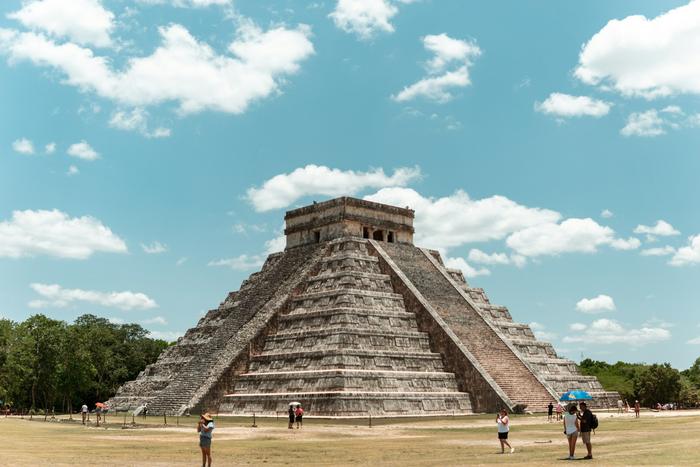
Mexico City is world-class. Add the coast, ruins, and food culture.
United States
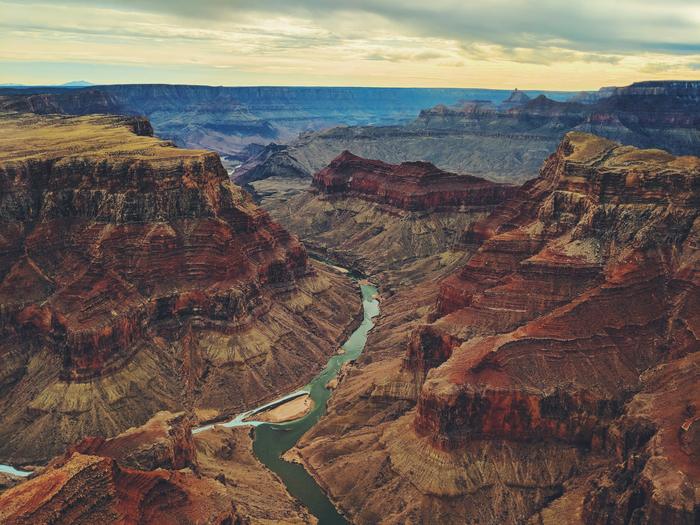
A continent pretending to be a country — cities, deserts, and the best national parks anywhere.
Argentina
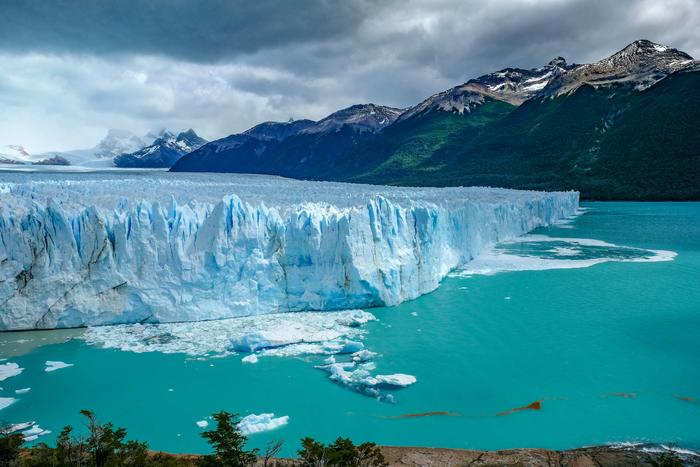
Buenos Aires has the best steakhouses and nightlife in South America.

Greece
Ruins in the morning, a swim by noon, taverna until dark.
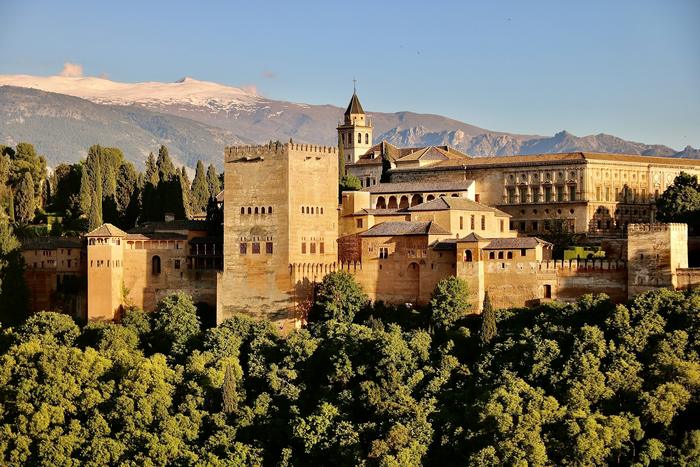
Spain
Food, beaches, and three or four cities that each justify the trip.
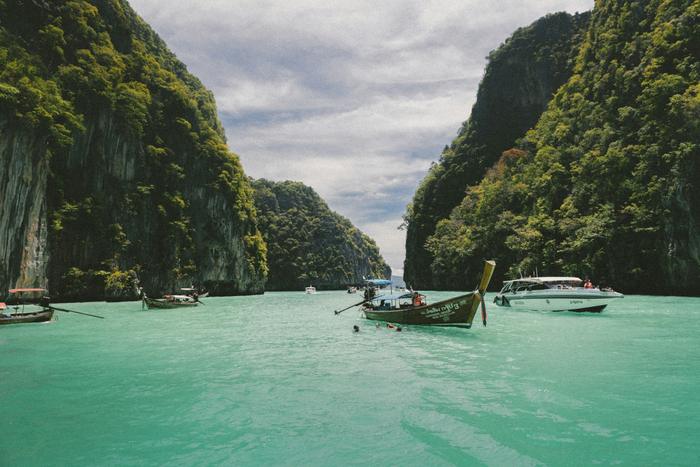
Thailand
The complete package for warm-climate travel.
Not sure where to go
Take the 5-minute quiz
Answer a few honest questions and get matched to destinations that actually fit how you travel.
Start the quiz