Amalfi Coast
Italy’s most glamorous stretch of coast — pastel villages stacked above the sea, lemons, and long lunches.
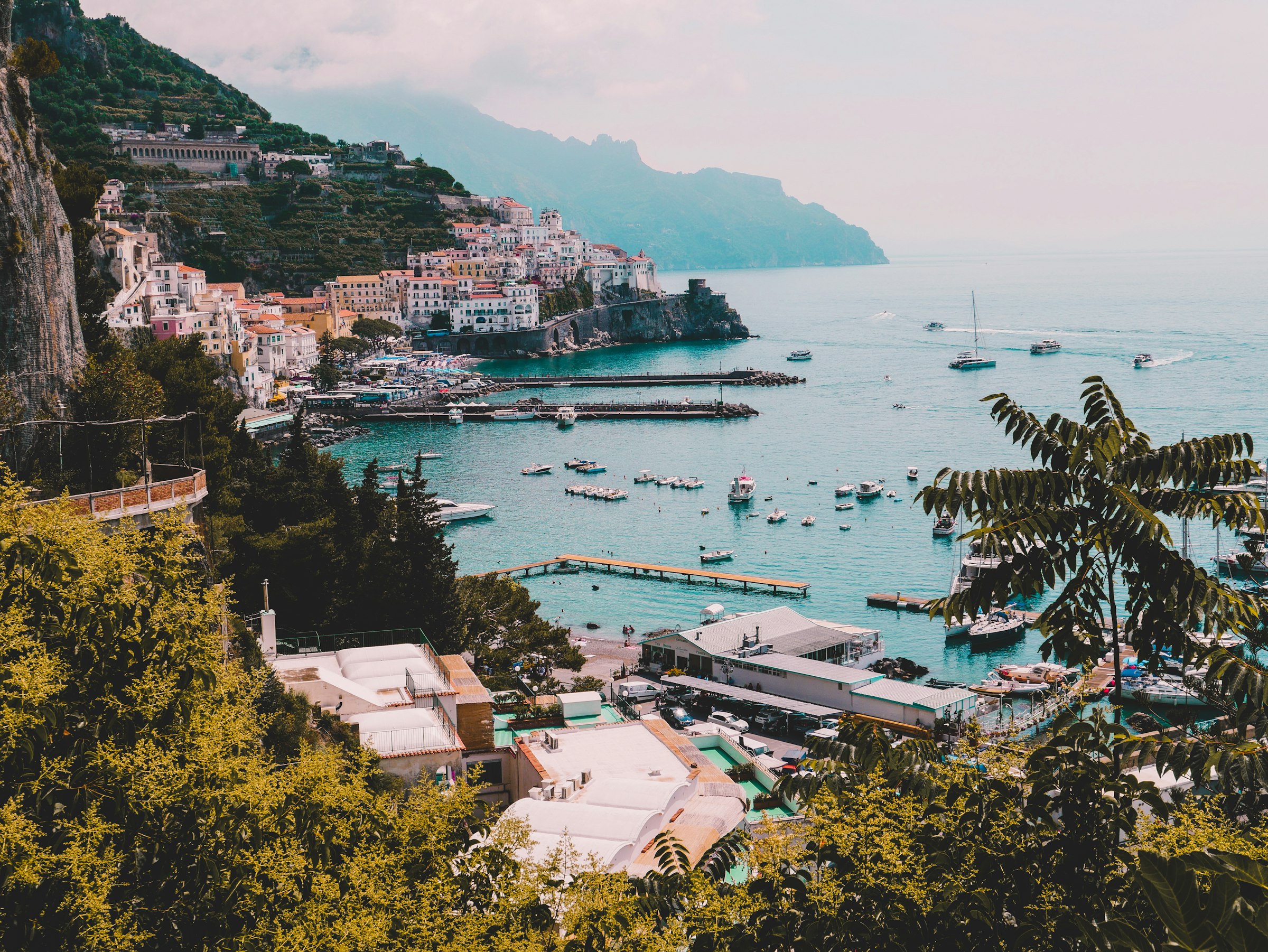
The Amalfi Coast is a 50-kilometre run of near-vertical cliff south of Naples where pastel villages cling to the rock above a blue sea, connected by a famously white-knuckle corniche road. It's the postcard of Italian coastal glamour — Positano tumbling down to the water, Ravello's clifftop gardens, lemons the size of fists — and for all the hype it genuinely delivers, provided you get the timing right.
The three names to know: Positano, the vertiginous pastel village that everyone photographs and pays a premium to stay in; Amalfi, the old maritime republic with a striped cathedral at the heart of the coast; and Ravello, set high above the sea with the most beautiful garden-terrace views in Italy. You move between them by ferry (far nicer than the clogged road) or by nerve-testing bus, and the best days are simple: a boat out to a swimming cove, a long seafood-and-lemon lunch, a walk on the Path of the Gods high above the coast, a day trip by fast ferry to Capri. It's about the setting and the table more than any list of sights.
The honest part: this is one of the most expensive and most crowded stretches of coast in Europe, and in July and August it can be genuinely miserable — the single road jams solid, ferries and beaches overflow, and hotel prices are eye-watering. The 'beaches' are mostly small, pebbly, and paid. And it's vertical: everything is steps, which is punishing in the heat and hard going if stairs are an issue. Come in May, June, or September, travel by ferry not car, and consider basing somewhere calmer to day-trip in — do that and it earns every bit of its reputation.
Highlights
-
Positano
The vertiginous pastel village spilling down to the sea — the coast’s defining, and priciest, view.
-
Ravello
High above the water, with the garden terraces of Villa Cimbrone and Villa Rufolo and the best views on the coast.
-
Amalfi
The historic heart: a striped Arab-Norman cathedral and a tangle of lanes behind the harbour.
-
Path of the Gods
A high cliff-top trail between Bomerano and Positano with the coast laid out far below.
-
Capri
A fast-ferry day trip to the glamorous island — the Blue Grotto, the Faraglioni, and the chairlift up Monte Solaro.
-
Lemons & seafood
Limoncello, lemon groves terraced into the cliffs, and long seafood lunches — the coast’s real ritual.
Practical info
- Visa
- Schengen — visa-free for most Western passports (90 days).
- Currency
- EUR (€)
- Language
- Italian; English widely spoken in tourism.
- Safety
- Very safe; the real hazards are the road, the steps, and summer crowds.
- Getting around
- Ferries are the smart way along the coast in season; buses are scenic but jammed. A car is more hindrance than help.
- Tap water
- Tap water safe and good.
- Plug type
- Type C Type F Type L 230V
- Money
- Cards widely accepted; carry cash for small cafés and beach clubs.
General guidance — visas, safety, and health change, so check your government's travel advisory and the official sources before you go.
Common questions
- When is the best time to visit Amalfi Coast?
- Amalfi Coast is at its best in April–June, September, October. It's best to avoid January, February, December.
- How many days do you need in Amalfi Coast?
- Most trips run about 1 week, depending on how much ground you want to cover.
- Is Amalfi Coast expensive?
- Plan for mid-range – premium daily spend, depending on how you travel.
- Is Amalfi Coast safe for travelers?
- Very safe; the real hazards are the road, the steps, and summer crowds.
- Do you need a visa for Amalfi Coast?
- Schengen — visa-free for most Western passports (90 days).
Compare Amalfi Coast with
If you like Amalfi Coast, also consider

France
Paris is only the opening act — wine country, the Alps, and two coastlines.
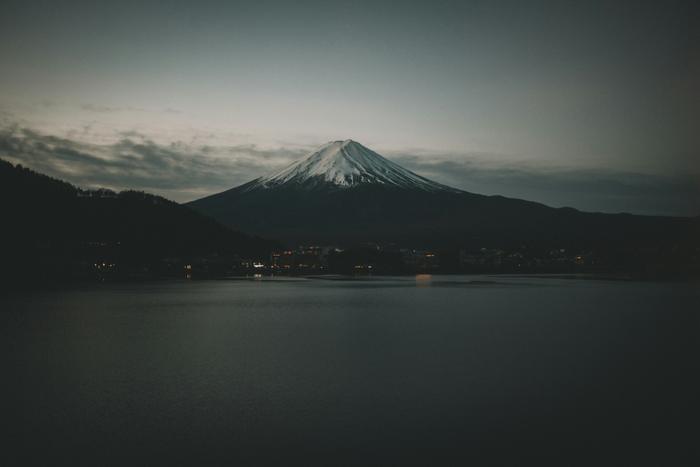
Japan
Extraordinary food, culture, and cities. Nothing quite prepares you for it.
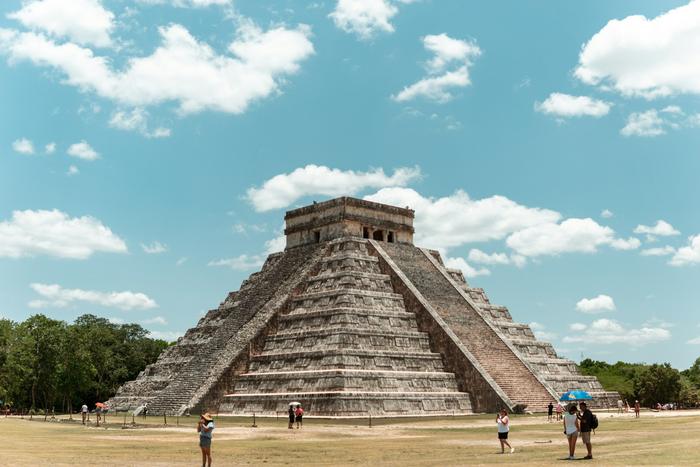
Mexico
Mexico City is world-class. Add the coast, ruins, and food culture.
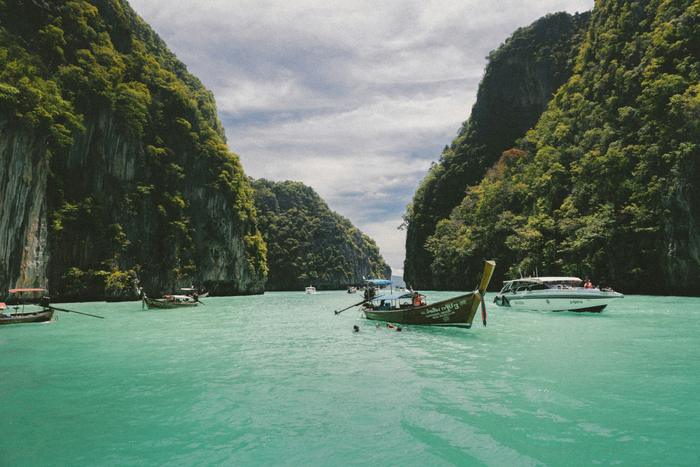
Thailand
The complete package for warm-climate travel.
Not sure where to go
Take the 5-minute quiz
Answer a few honest questions and get matched to destinations that actually fit how you travel.
Start the quiz