Jordan vs Uzbekistan

Two ancient, culture-first trips built on desert and spectacular sights — but of different shapes. Jordan is compact and icon-driven: Petra, the Mars-like desert of Wadi Rum, floating in the Dead Sea, all close together on a short, high-impact loop. Uzbekistan is a Silk Road city-circuit: Samarkand, Bukhara and Khiva, turquoise-tiled cities strung across a flatter, slower route, cheaper and less touristed. Iconic desert wonders, or the tiled Silk Road.

Middle East

Jordan

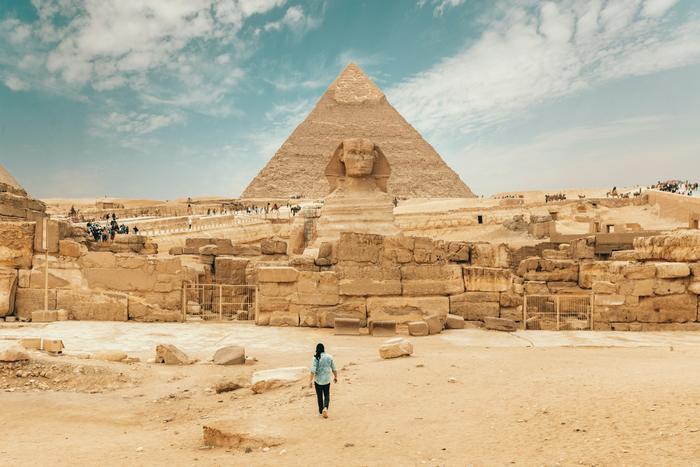
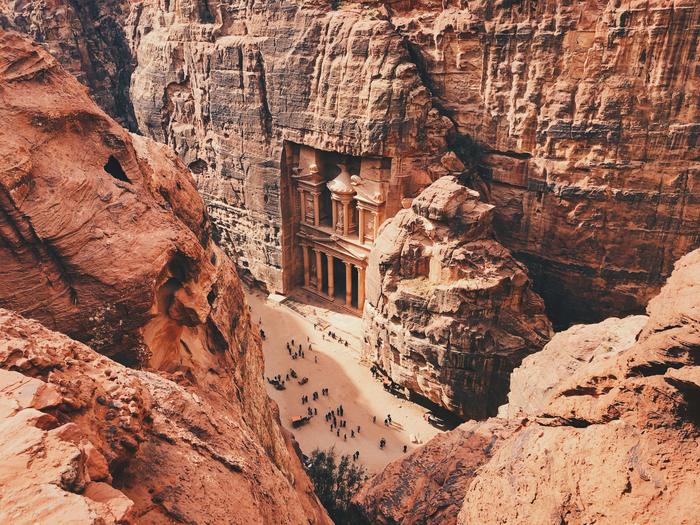
Petra alone justifies the trip.

Best time to visit
  1. January: fine
  2. February: fine
  3. March: peak
  4. April: peak
  5. May: fine
  6. June: fine
  7. July: avoid
  8. August: avoid
  9. September: fine
  10. October: peak
  11. November: peak
  12. December: fine
Peak Fine Avoid
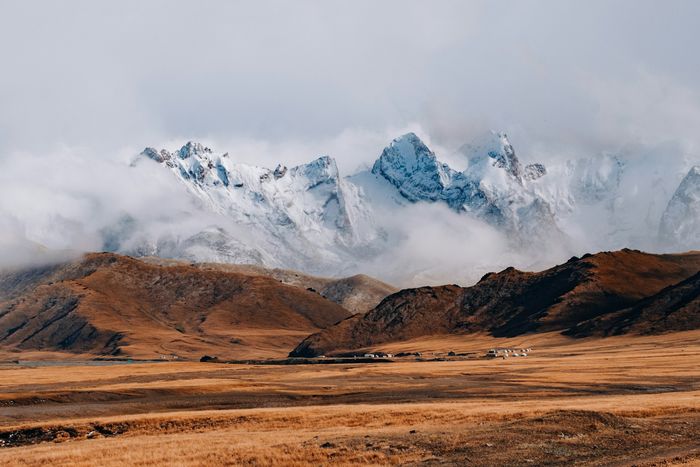
Central Asia

Uzbekistan

The Silk Road made real — turquoise-tiled cities that look like nowhere else, at prices that barely register.

Best time to visit
  1. January: avoid
  2. February: avoid
  3. March: fine
  4. April: peak
  5. May: peak
  6. June: fine
  7. July: avoid
  8. August: avoid
  9. September: peak
  10. October: peak
  11. November: fine
  12. December: avoid
Peak Fine Avoid

Read our full guides about Jordan and Uzbekistan.

Side by side

Emphasised where they differ. Muted rows are much the same either way.

Jordan Uzbekistan
Best time March, April, October, November April, May, September, October
Climate warm mild
Budget Mid-range — not a cheap Middle East destination; Petra and the big sights carry real entry costs, eased by the Jordan Pass Startlingly cheap once there — though fast trains and restored monuments both raised prices recently
Trip length 1–2 wks 1–2 wks
Visa Jordan Pass covers visa + main sites — buy online before arrival. Visa-free for many Western passports (typically 30 days) or a simple e-visa. Verify before travel.
Currency JOD (Jordanian Dinar). Roughly 0.71 JOD ≈ 1 USD. Uzbekistani Som (UZS); carry cash, though cards are increasingly accepted in cities.
Language Arabic. English widely spoken in tourism. Uzbek and Russian; little English outside the main hotels and sights.
Tap water Tap water not safe to drink. Drink bottled water.
Safety Very safe. Despite regional perception, Jordan is stable and welcoming. Very safe for travelers; petty crime is low and the police presence is heavy.

General guidance — visas, safety, and health change, so check your government's travel advisory and the official sources before you go.

The split

Desert icons, or tiled cities

Two ancient, culture-first trips — one a compact loop of famous sights, the other a Silk Road city-circuit.

Icons vs circuitthe shapePetra and desert wonders close together, or a string of cities
Landscape vs architecturethe drawCanyons and desert, or turquoise tilework
Mid-range vs cheapthe moneyReal entry costs at the icons, or startling value

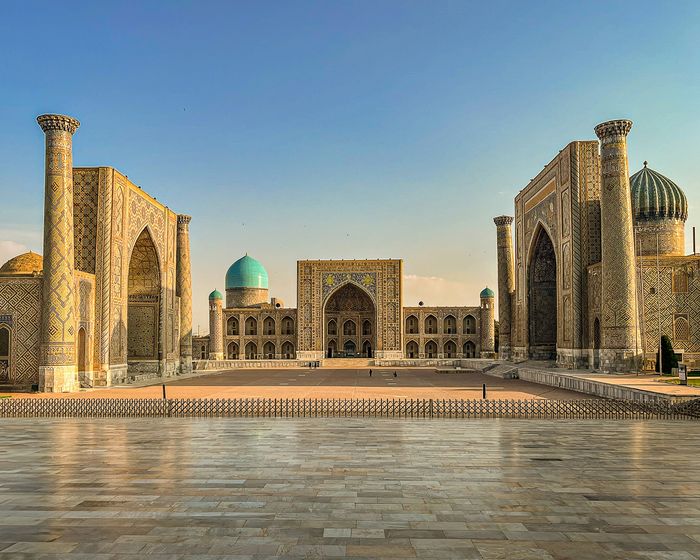
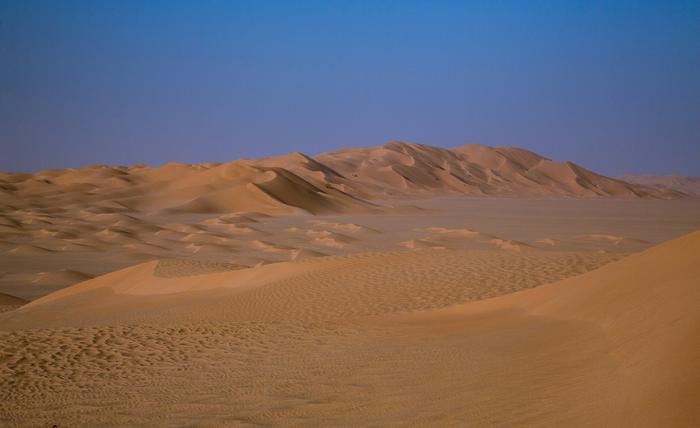
Jordan is compact and icon-driven: Petra, the Mars-like desert of Wadi Rum and a float in the Dead Sea, all close together on a short, high-impact loop. Uzbekistan is a Silk Road city-circuit: Samarkand, Bukhara and Khiva — turquoise-tiled cities — strung across a flatter, slower, cheaper and quieter route. A cluster of famous desert wonders, or a chain of magnificent cities.

Operational detail — Jordan’s Jordan Pass, Petra and Wadi Rum logistics; Uzbekistan’s visa-free access, new Khiva train and recent fare and fee rises — lives on the two guides: Jordan, know before you go and Uzbekistan, know before you go. This page is the head-to-head.

Who suits which

Who each actually suits

Desert-icons or the-Silk-Road — so these never invert.

If you want…JordanUzbekistan
A bucket-list wonder (Petra)Wins clearly. Petra, Wadi RumMagnificent cities instead
The Silk Road citiesDesert and ruinsWins clearly. Samarkand, Khiva
A compact, close-together loopWins. Sights near each otherA longer city circuit
Great value and fewer crowdsMid-range, busier at iconsWins. Cheap and quieter
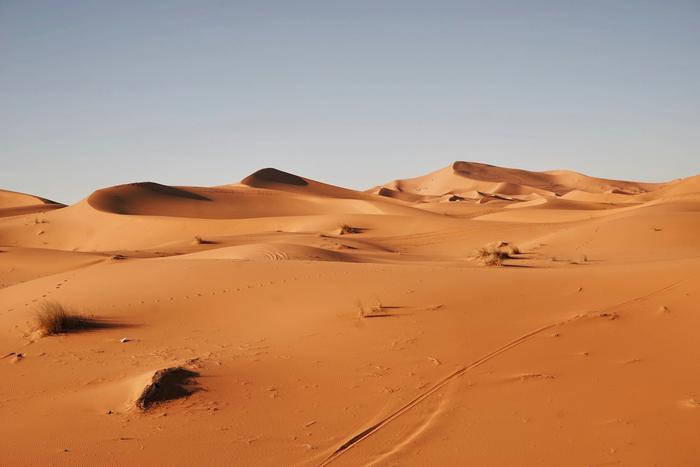
Desert landscapesWins. Wadi RumFlatter plains
Spectacular tiled architectureCarved stone at PetraWins. Turquoise tilework

Doing both

A choice, not a combination

Different regions entirely — pick the kind of ancient trip.

They’re separate countries in different regions — the Levant and Central Asia — so this is a choice rather than a pairing. Both are best in spring and autumn, with punishing summers and bleak winters, so the timing advice is the same. Choose Jordan for iconic desert wonders on a compact loop, Uzbekistan for the Silk Road’s tiled cities and great value.

What we leave out

What we deliberately leave out

Exact prices and the moving pieces — Jordan’s Jordan Pass and site-entry costs; Uzbekistan’s train fares and site-entry fees — change within a season, so the figures here are the shape of the gap, not a quote; the country guides carry the live detail.

Jordan or Uzbekistan, month by month

Which of the two is the better bet for each month of the year, scored on how well the season suits each place.

Which to choose

Choose Jordan if:

  • You want iconic, high-impact sights — Petra, Wadi Rum, the Dead Sea.
  • A compact, close-together circuit appeals.
  • Desert drama and a famous wonder are the draw.

Choose Uzbekistan if:

  • You want the Silk Road — Samarkand, Bukhara, Khiva’s tiled cities.
  • A slower cultural city-circuit and great value appeal.
  • Tiled architecture beats desert canyons.

Common questions

How do Jordan and Uzbekistan compare?
By shape and sight. Jordan is compact and icon-driven — Petra, the Mars-like desert of Wadi Rum, floating in the Dead Sea, all close together on a short, high-impact loop. Uzbekistan is a Silk Road city-circuit — Samarkand, Bukhara and Khiva, turquoise-tiled cities on a flatter, slower, cheaper route. Iconic desert wonders, or the tiled Silk Road. See the Jordan and Uzbekistan guides.
Which has the more famous, high-impact sights?
Jordan, arguably — Petra is a bucket-list wonder and Wadi Rum and the Dead Sea are singular experiences, all within a short drive of each other. Uzbekistan’s Registan and Khiva are every bit as spectacular architecturally, but they’re a city-circuit rather than a cluster of famous one-off landscapes. Iconic set-pieces close together, or a string of magnificent cities.
Which is cheaper and less touristed?
Uzbekistan on both. It’s startlingly cheap and still comparatively off the mainstream trail, so the great sights are quieter. Jordan is a mid-range Middle East destination — not expensive, but Petra and the headline sights carry real entry costs (eased by the Jordan Pass), and Petra in particular draws crowds. Great value and quieter, or pricier and busier at the icons.
Can I combine them?
They’re separate countries in different regions (the Levant and Central Asia), so this is a choice, not a natural pairing. Both are best in spring and autumn — Jordan’s desert and Uzbekistan’s tiled cities are punishing in high summer and bleak in deep winter. Decide on iconic desert wonders, or the Silk Road’s cities.

Still undecided

Take the quiz

Three matches. Often answers comparison questions for you.

Start the quiz