Zanzibar
The classic wind-down after a Tanzanian safari — beaches, spice, and a Swahili trading city.
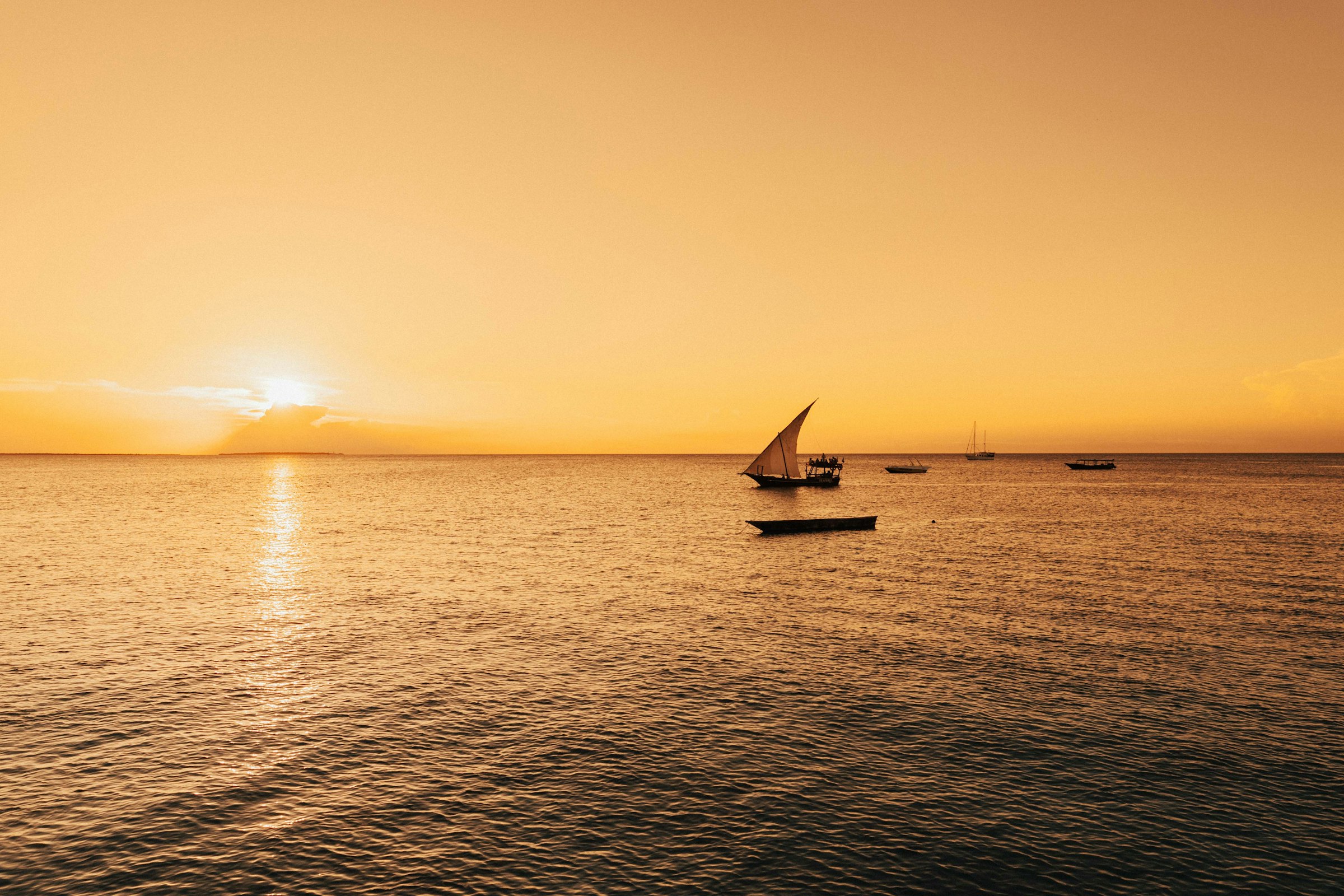
Zanzibar is what you do after the game drives: swap the dust and the 5am wake-ups for powder-white sand, warm turquoise water, and slow days. Most people fly in from a mainland safari, plant themselves on the north coast, and spend the mornings snorkelling and the afternoons doing nothing at all. But there's a real place underneath the resort veneer — a spice island with a thousand years of Arab, Indian, and African trade written into its streets.
The rhythm is simple. Base yourself around Nungwi or Kendwa on the north tip, where the beaches are wide, the swimming is good, and the tide barely matters — this is the postcard Indian Ocean. Give a day to Stone Town: get lost in the maze of coral-stone alleys, poke around the spice and fish markets, trace the darker history of the slave trade and the lighter one of Freddie Mercury's birthplace. Take a spice-farm tour to see where the cloves and cinnamon come from, and get out on the water for a dhow cruise and a snorkel off Mnemba Atoll, the best reef within reach.
The honest part: location makes or breaks this trip. The east-coast beaches have enormous tides that drain the sea out to the horizon at low water and pile up seaweed, so unless you specifically want kitesurfing at Paje, the north coast is the safer bet. It's a conservative Muslim society, so cover shoulders and knees once you're off the sand and out of the resort — swimwear stays on the beach. Stone Town is small and you'll exhaust the sights in a day or so. But that's the trade-off, and it's a good one: genuine Indian Ocean postcard beaches and a fascinating, layered Swahili trading city, and both of them pair perfectly with a mainland safari.
Highlights
-
Nungwi & Kendwa
The north-coast beaches — the best swimming and the least brutal tide. Base here.
-
Stone Town
A UNESCO maze of Swahili-Arab-Indian streets, spice-trade history, and Freddie Mercury.
-
Mnemba Atoll
The island’s best snorkelling and diving, out over clear water off the northeast.
-
Spice farm tour
Cloves, cinnamon, nutmeg, vanilla — the crops that made the island rich, straight off the tree.
-
Jozani Forest
The only place to see the endemic red colobus monkeys, up close on the boardwalks.
-
Paje
The east-coast kitesurfing strip — steady wind, big tides, a younger scene.
Practical info
- Visa
- Visa required for most passports; available on arrival or as an e-visa. Verify before travel.
- Currency
- TZS (Tanzanian Shilling). USD common for tours.
- Language
- Swahili and English.
- Safety
- Safe with normal precautions. Note it is a conservative Muslim society — dress modestly away from the beach.
- Getting around
- Taxis and pre-arranged transfers get you around the island.
- Tap water
- Stick to bottled or filtered water.
- Plug type
- Type D Type G 230V
- Money
- Carry cash (USD or TZS); cards work at hotels but little else.
General guidance — visas, safety, and health change, so check your government's travel advisory and the official sources before you go.
Common questions
- When is the best time to visit Zanzibar?
- Zanzibar is at its best in June–October, January, February. It's best to avoid March, April, May.
- How many days do you need in Zanzibar?
- Most trips run about 1 week, depending on how much ground you want to cover.
- Is Zanzibar expensive?
- Plan for budget – mid-range daily spend, depending on how you travel.
- Is Zanzibar safe for travelers?
- Safe with normal precautions. Note it is a conservative Muslim society — dress modestly away from the beach.
- Do you need a visa for Zanzibar?
- Visa required for most passports; available on arrival or as an e-visa. Verify before travel.
Compare Zanzibar with
If you like Zanzibar, also consider
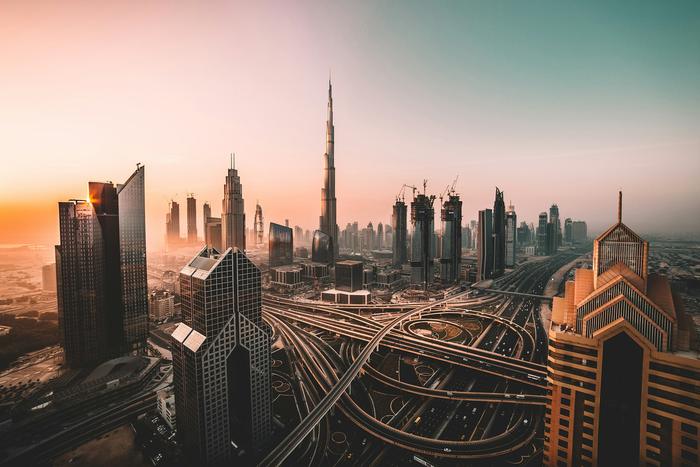
United Arab Emirates
Dubai and Abu Dhabi: superlatives, desert, and a stopover worth a few days of its own.
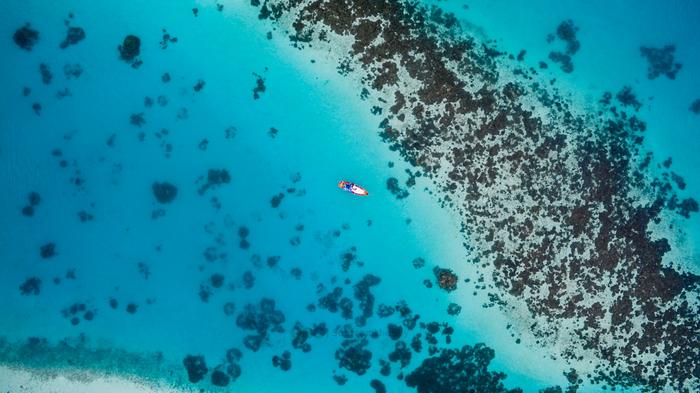
Maldives
One island, one resort, almost nothing to do. That is the point.
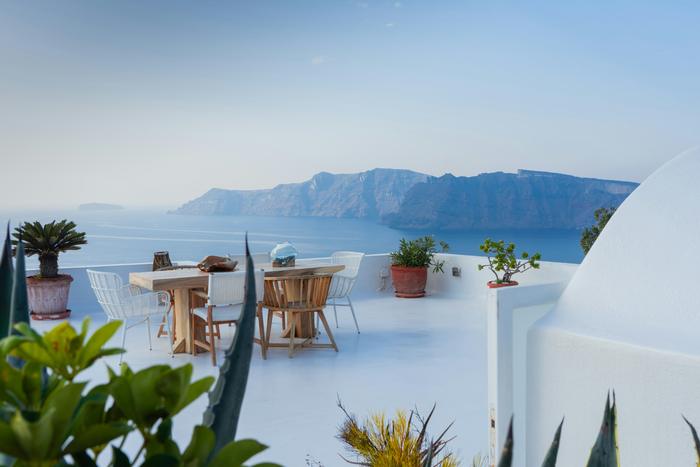
Greece
Ruins in the morning, a swim by noon, taverna until dark.
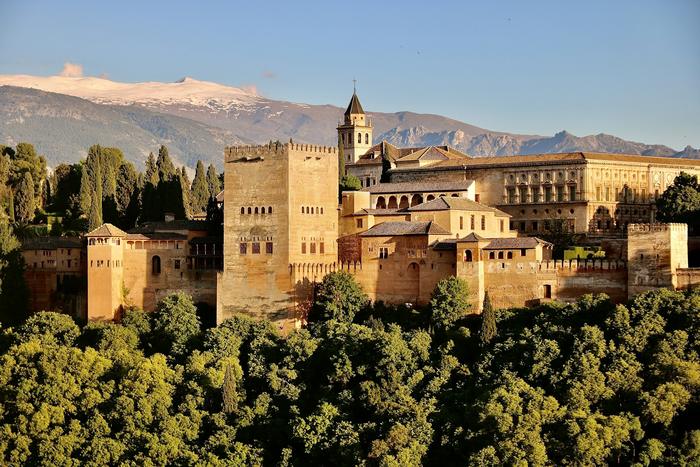
Spain
Food, beaches, and three or four cities that each justify the trip.
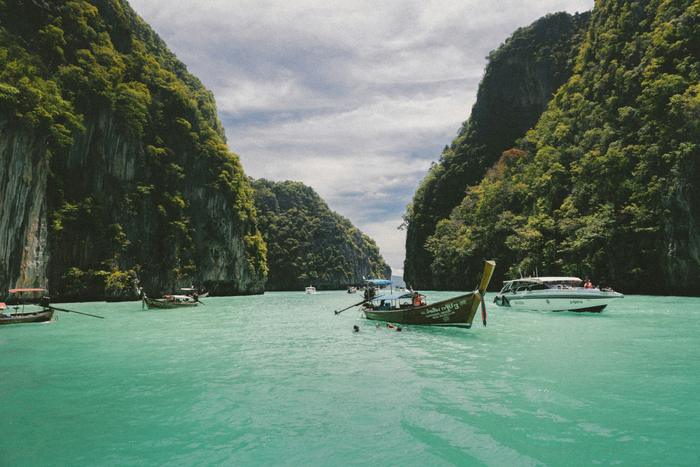
Thailand
The complete package for warm-climate travel.
Not sure where to go
Take the 5-minute quiz
Answer a few honest questions and get matched to destinations that actually fit how you travel.
Start the quiz