Sweden
Island-strewn cities in summer, aurora and snow in the far north.
Sweden splits into two trips. The summer one is Stockholm and the west coast — long bright evenings, ferries between islands, swimming off the rocks. The winter one is Lapland: dog-sledding, the aurora, and the strange theatre of polar night. Either way it runs smoothly, near-cashless, and English is never a problem.
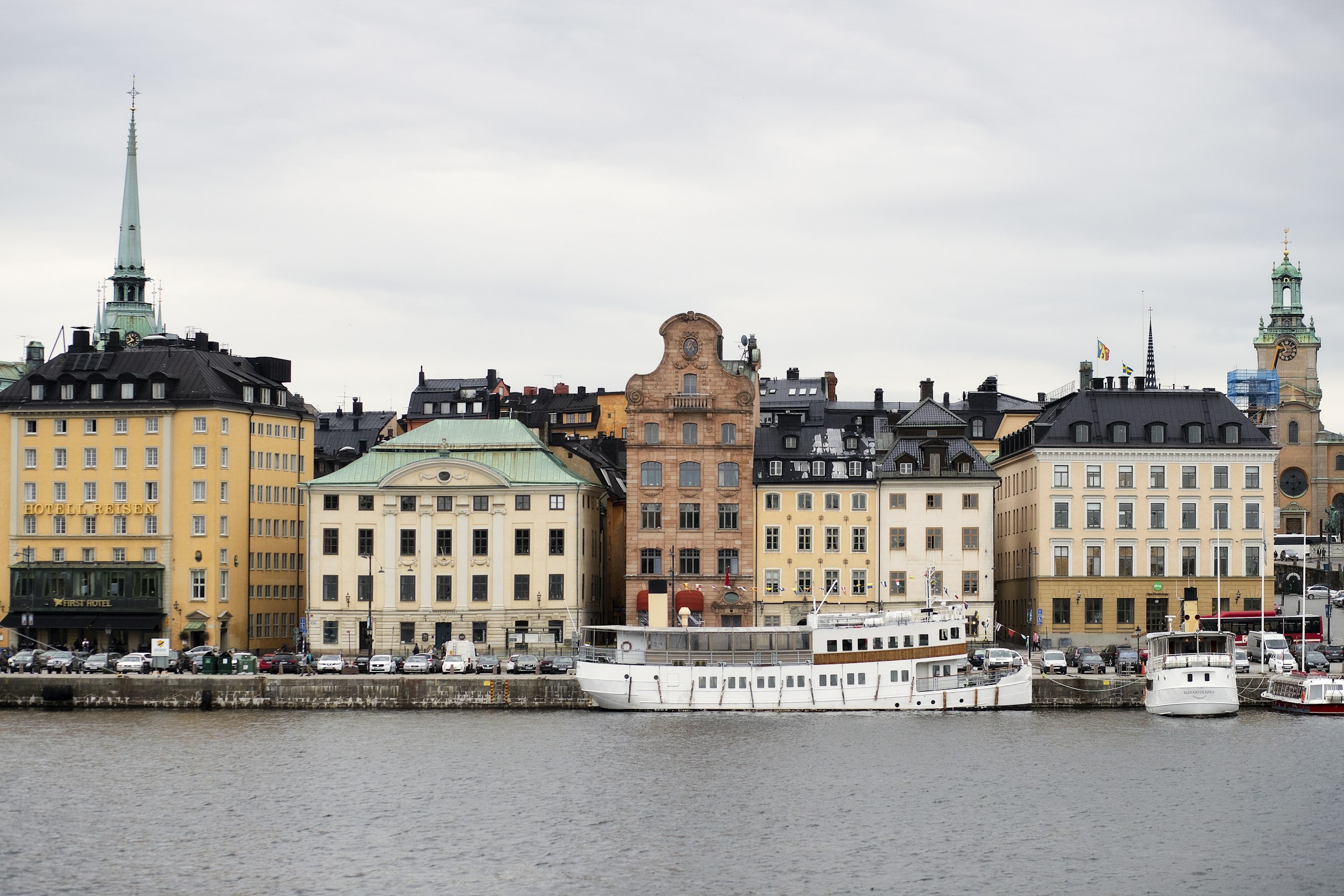
A first summer trip usually centres on Stockholm — Gamla Stan's old streets, the museum island of Djurgården, and a ferry out into the archipelago to swim and eat at a harbour restaurant. Gothenburg and its rugged west-coast islands make a natural second stop, reached by a fast train. Days stretch absurdly long: you eat dinner at nine with full sun still up. Lodging and restaurants are the real spend; supermarkets and a cabin kitchen keep it sane.
The honest part: the season is brutally short. The glorious version of Sweden lasts roughly June through August, and outside it the days collapse — by December Stockholm gets daylight from late morning to mid-afternoon, and the far north goes properly dark. Lapland's aurora trips are a gamble against cloud, and the cold is serious. Prices sit high year-round, and carry almost no cash because much of the country no longer takes it. Come in the wrong month expecting the postcard and you'll be disappointed.
Highlights
-
Stockholm & Gamla Stan
A city built across islands, with a walkable medieval core.
-
Stockholm archipelago
Thousands of islands, reached by ferry for a day or a week.
-
Gothenburg & the west coast
Seafood, canals, and bare granite islands offshore.
-
Abisko & Lapland
Aurora in winter, the midnight sun and trekking in summer.
Practical info
- Visa
- Schengen — visa-free for most Western passports (90 days).
- Currency
- SEK (Swedish Krona). Not in the euro.
- Language
- Swedish. English near-universal.
- Safety
- Very safe. Weather and winter cold are the main risks.
- Getting around
- Excellent trains and buses; ferries for the archipelago and west coast.
- Tap water
- Tap water excellent.
- Plug type
- Type C Type F 230V
- Money
- Effectively cashless. Cards and phone payments everywhere; many places refuse cash.
General guidance — visas, safety, and health change, so check your government's travel advisory and the official sources before you go.
Common questions
- When is the best time to visit Sweden?
- Sweden is at its best in May–August. It's best to avoid October, November.
- How many days do you need in Sweden?
- Most trips run 1–3 weeks, depending on how much ground you want to cover.
- Is Sweden expensive?
- Plan for mid-range – premium daily spend, depending on how you travel.
- Is Sweden safe for travelers?
- Very safe. Weather and winter cold are the main risks.
- Do you need a visa for Sweden?
- Schengen — visa-free for most Western passports (90 days).
Compare Sweden with
If you like Sweden, also consider
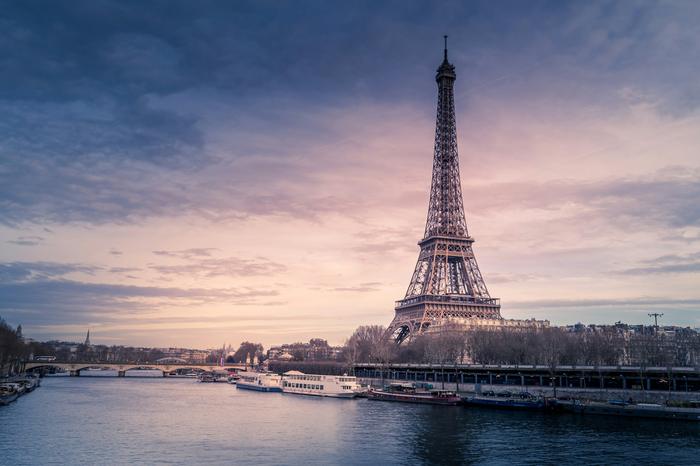
France
Paris is only the opening act — wine country, the Alps, and two coastlines.
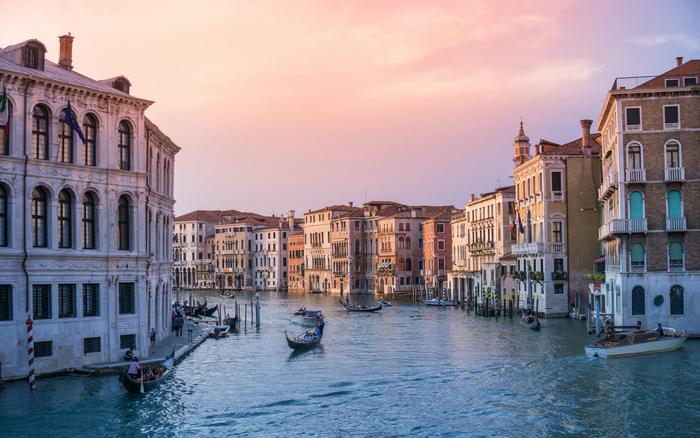
Italy
The benchmark for food, history, and beauty.
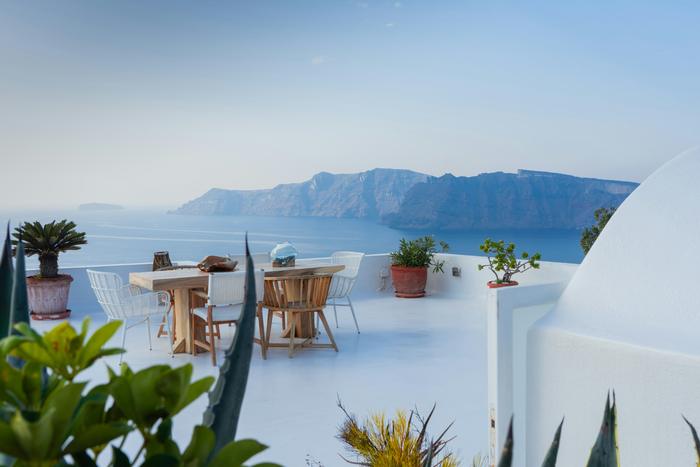
Greece
Ruins in the morning, a swim by noon, taverna until dark.
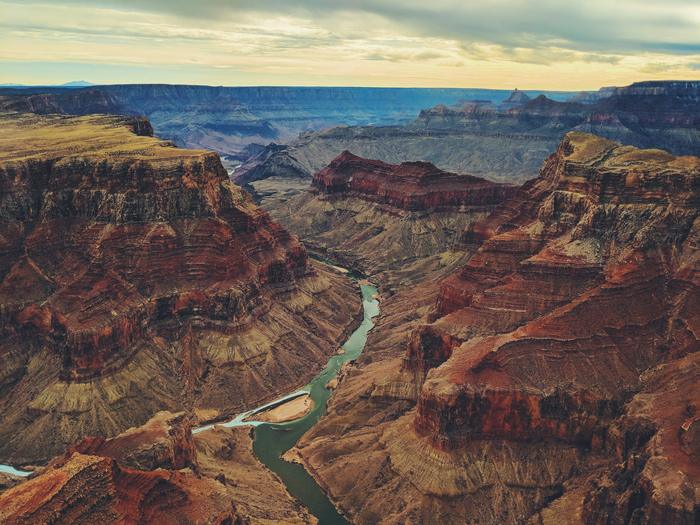
United States
A continent pretending to be a country — cities, deserts, and the best national parks anywhere.
Australia
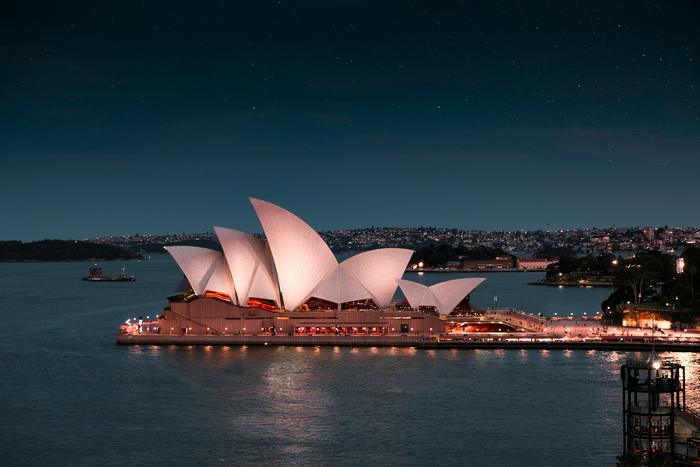
Vast, varied, relaxed. Reef, Sydney, and proper wilderness in one.
Hawaii
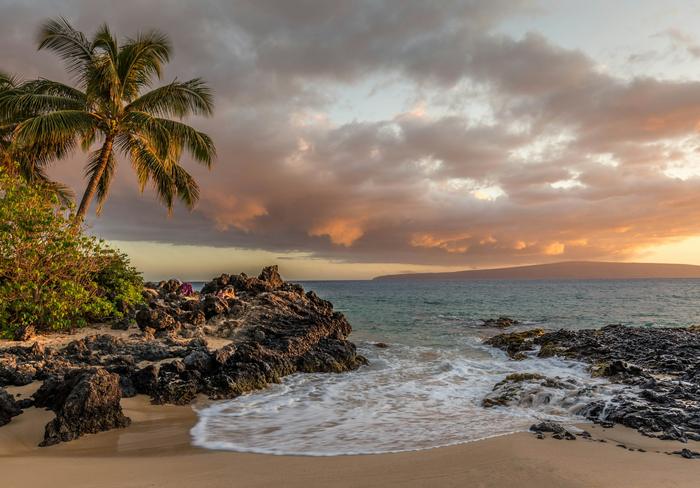
A handful of islands where the landscapes and the ocean genuinely earn the flight.
Not sure where to go
Take the 5-minute quiz
Answer a few honest questions and get matched to destinations that actually fit how you travel.
Start the quiz