Provence
The good life, distilled — lavender, hilltop villages, Roman ruins, and rosé under the plane trees.
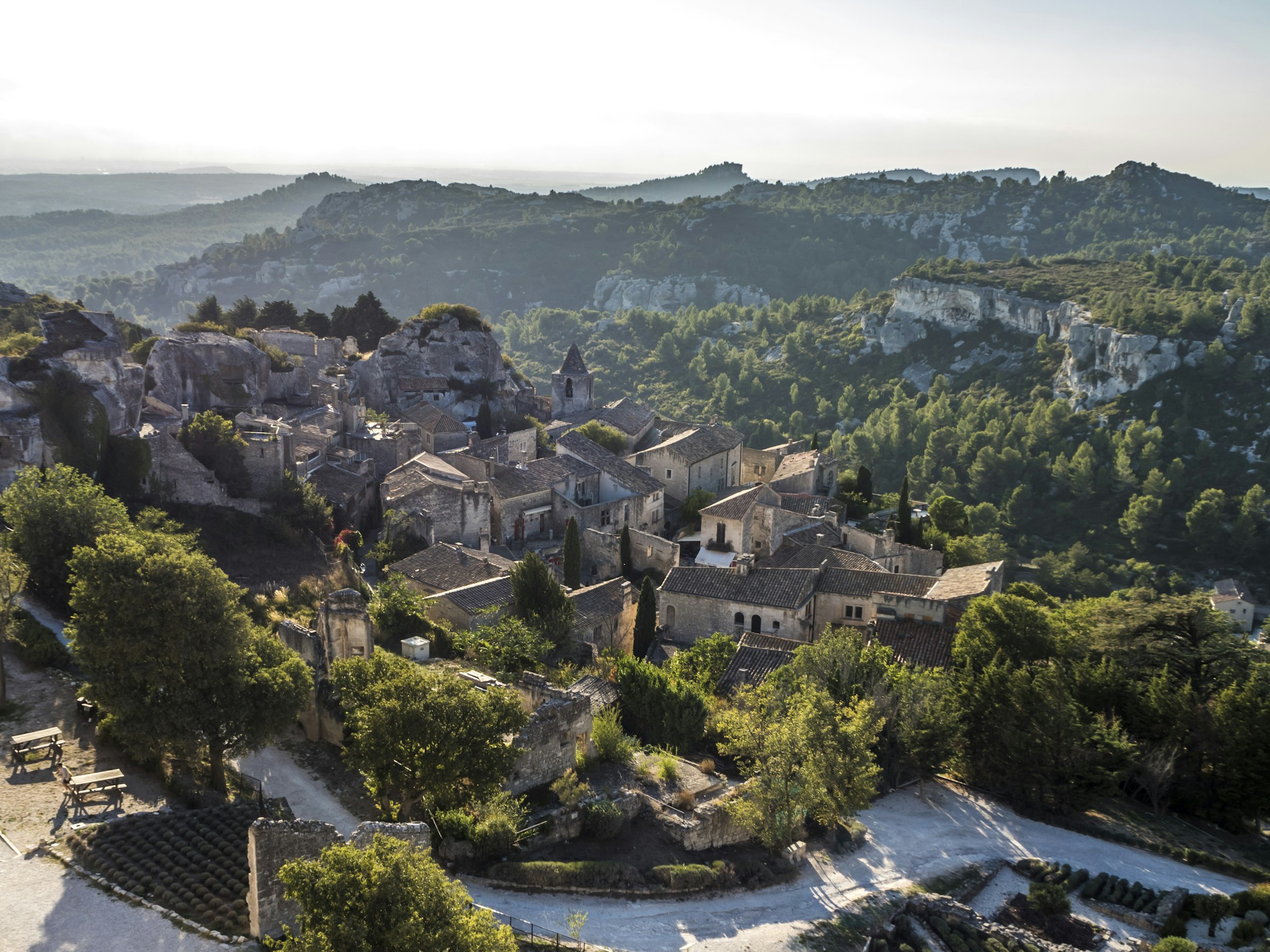
Provence is the south of France at its most idyllic: a sun-baked region of lavender fields, honey-stone hilltop villages, Roman ruins, and market towns where lunch runs long and the rosé is local. It's less about ticking sights than about a pace and a landscape — the Luberon's perched villages, the ochre cliffs, the plane-shaded squares — with the glamour of the Riviera an easy drive to the southeast when you want it.
Base in the Luberon or near Aix and let the days unspool: a morning market in Aix-en-Provence or Isle-sur-la-Sorgue, an afternoon wandering perched villages like Gordes, Roussillon (built into red-ochre cliffs), and Ménerbes, and a long dinner with a bottle of the region's pale rosé. The set-pieces are the lavender fields of the Valensole plateau and the Abbaye de Sénanque, which blaze purple for a few weeks around late June and July, and the region's remarkable Roman heritage — the Pont du Gard aqueduct, the arena and theatre of Arles and Orange. Avignon adds the vast Palais des Papes. It's a driving trip; a car is what unlocks it.
The honest part: the lavender everyone comes for has a narrow window — roughly late June into July, weather-dependent — and if that's your dream, timing is everything; come in August and the fields may already be cut. High summer is hot, the famous villages get busy, and the fierce mistral wind can blow for days. It's also not a cheap region. But shoulder-season Provence — spring or September — is close to perfect: warm, quiet, green, and built entirely around eating, drinking, and pottering through beautiful old villages.
Highlights
-
Lavender of Valensole
Vast purple fields across the Valensole plateau and around the Abbaye de Sénanque — peak roughly late June to mid-July.
-
Luberon villages
Perched hilltop villages — Gordes, and Roussillon built into red-ochre cliffs — strung across the hills.
-
Aix-en-Provence
Plane-shaded boulevards, fountains, and one of the best market-and-café scenes in France.
-
Roman Provence
The Pont du Gard aqueduct and the arenas and theatres of Arles and Orange — Roman engineering at full scale.
-
Avignon
The walled papal city, dominated by the enormous Gothic Palais des Papes.
-
Markets & rosé
Isle-sur-la-Sorgue’s antiques and produce, and the pale local rosé that defines a Provençal lunch.
Practical info
- Visa
- Schengen — visa-free for most Western passports (90 days).
- Currency
- EUR (€)
- Language
- French; English patchy in villages but common in tourism.
- Safety
- Very safe; ordinary precautions, and watch for car break-ins at rural trailheads.
- Getting around
- Rent a car — essential for the villages and lavender. TGV reaches Avignon and Aix from Paris in ~3 hours.
- Tap water
- Tap water safe and good.
- Plug type
- Type C Type E 230V
- Money
- Cards widely accepted; carry cash for markets.
General guidance — visas, safety, and health change, so check your government's travel advisory and the official sources before you go.
Common questions
- When is the best time to visit Provence?
- Provence is at its best in April–July, September. It's best to avoid January, February, November.
- How many days do you need in Provence?
- Most trips run 1–2 weeks, depending on how much ground you want to cover.
- Is Provence expensive?
- Plan for mid-range daily spend, depending on how you travel.
- Is Provence safe for travelers?
- Very safe; ordinary precautions, and watch for car break-ins at rural trailheads.
- Do you need a visa for Provence?
- Schengen — visa-free for most Western passports (90 days).
Compare Provence with
If you like Provence, also consider
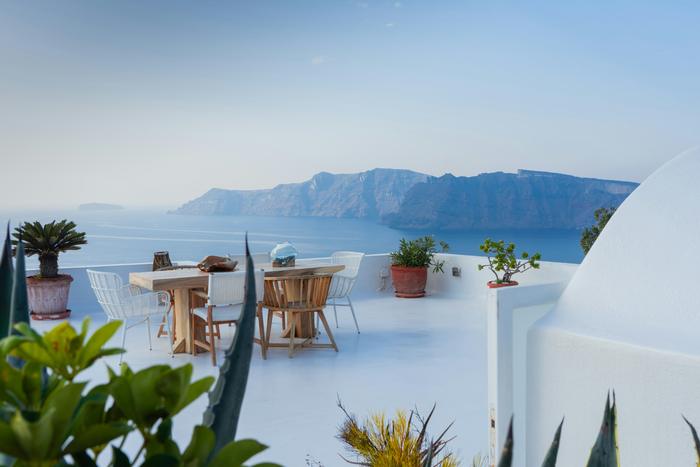
Greece
Ruins in the morning, a swim by noon, taverna until dark.
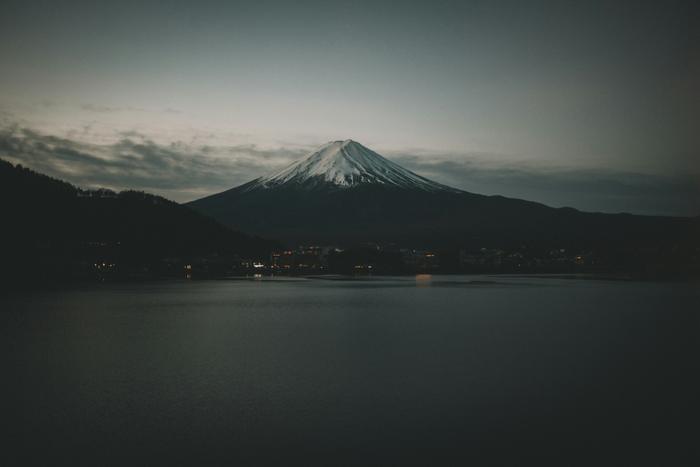
Japan
Extraordinary food, culture, and cities. Nothing quite prepares you for it.
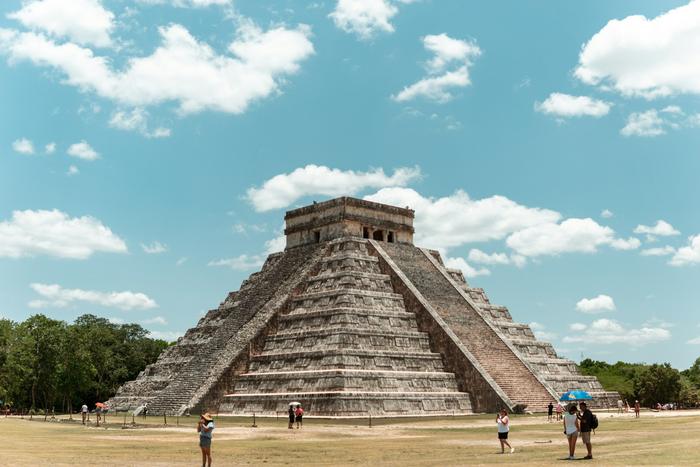
Mexico
Mexico City is world-class. Add the coast, ruins, and food culture.
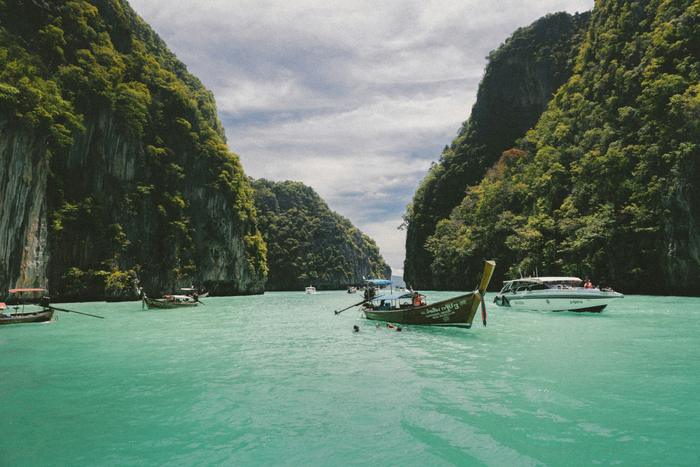
Thailand
The complete package for warm-climate travel.
Not sure where to go
Take the 5-minute quiz
Answer a few honest questions and get matched to destinations that actually fit how you travel.
Start the quiz