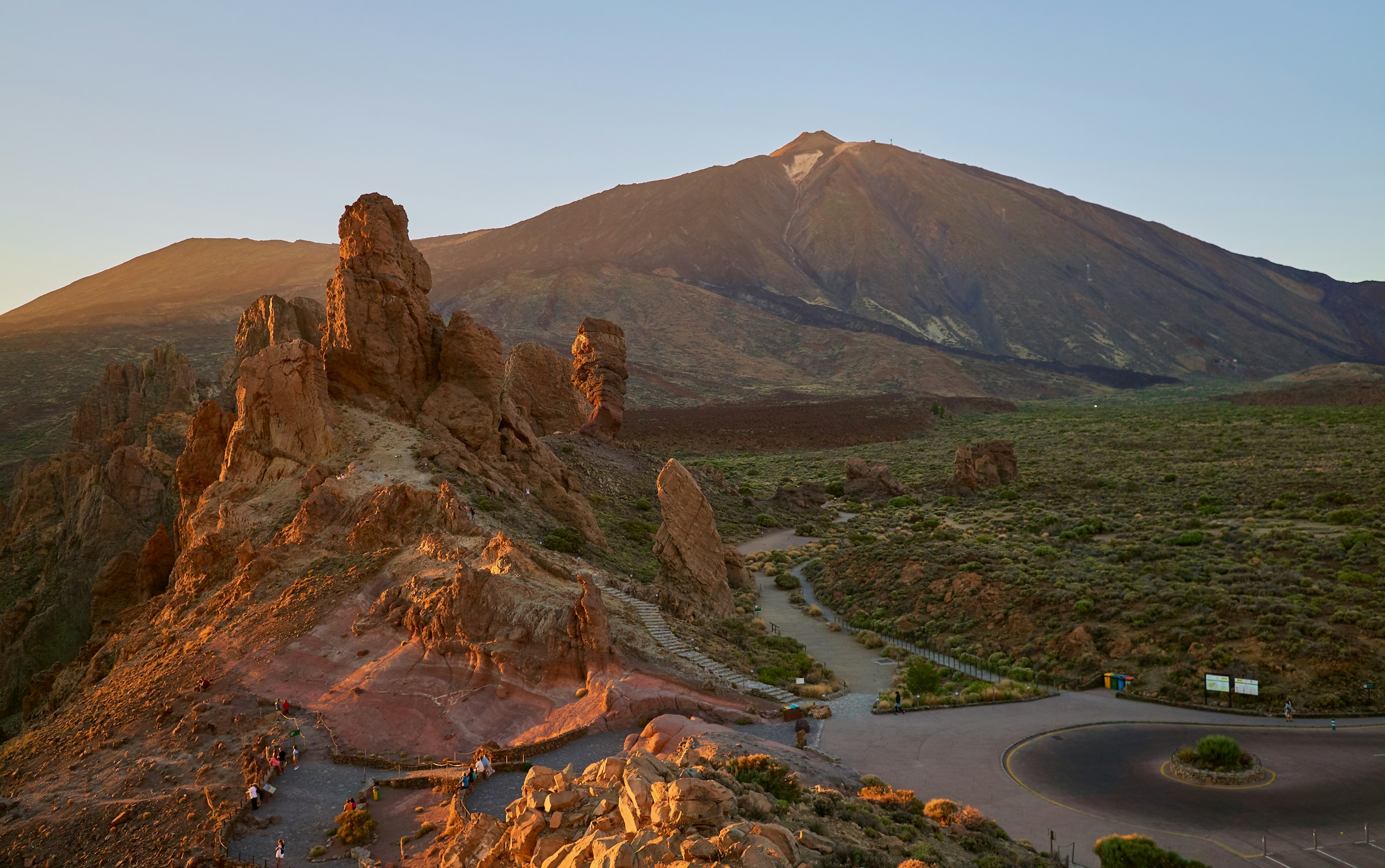
Canary Islands
Year-round warm weather, volcanic landscapes, easy from Europe.
The Canaries get unfairly dismissed as a package holiday cliché — they're more interesting than that. Each island has a different vibe: Tenerife and Gran Canaria for variety, Lanzarote for volcanic art-installation landscapes, La Palma and El Hierro for hiking and quiet, Fuerteventura for surf and dunes. Four hours from most of Europe and warm in January, they're the continent's easiest winter escape.
The trick is picking one island and renting a car the day you land. On Tenerife that means driving from the laurel forests of Anaga to the lunar caldera around Mt Teide in under two hours; on Lanzarote, touring César Manrique's volcanic architecture between black-sand coves. Days are simple — a hike or a surf, a long menú del día lunch, papas arrugadas and cheap local wine by evening. Ferries and short flights make a two-island trip easy in a week.
Be honest about what you're booking. The southern resort strips — Playa de las Américas, the worst of Maspalomas — are concrete package-holiday land, and if you stay there without a car, that's all you'll see. The trade winds blow hard, especially on Fuerteventura, and many beaches are black volcanic sand, not Caribbean white. The food is solid rather than exciting. But nowhere else in Europe is reliably warm in January, and the hiking is seriously underrated.
Highlights
-
Tenerife
Mt Teide, surf in the south, hiking in the north.
-
Lanzarote
Volcanic landscapes shaped by the artist Cesar Manrique.
-
La Palma
The greenest, quietest island — hiking heaven.
-
Fuerteventura
Endless beaches, wind, surf.
Practical info
- Visa
- Schengen — visa-free for most Western passports (90 days).
- Currency
- EUR (€)
- Language
- Spanish. English in tourist areas.
- Safety
- Very safe.
- Getting around
- Hire a car on each island. Ferries or short flights between islands.
- Tap water
- Tap water safe.
- Plug type
- Type C Type F 230V
- Money
- Cards everywhere.
General guidance — visas, safety, and health change, so check your government's travel advisory and the official sources before you go.
Common questions
- When is the best time to visit Canary Islands?
- Canary Islands is at its best in Most of the year.
- How many days do you need in Canary Islands?
- Most trips run 1–3 weeks, depending on how much ground you want to cover.
- Is Canary Islands expensive?
- Plan for budget – mid-range daily spend, depending on how you travel.
- Is Canary Islands safe for travelers?
- Very safe.
- Do you need a visa for Canary Islands?
- Schengen — visa-free for most Western passports (90 days).
Compare Canary Islands with
If you like Canary Islands, also consider

France
Paris is only the opening act — wine country, the Alps, and two coastlines.
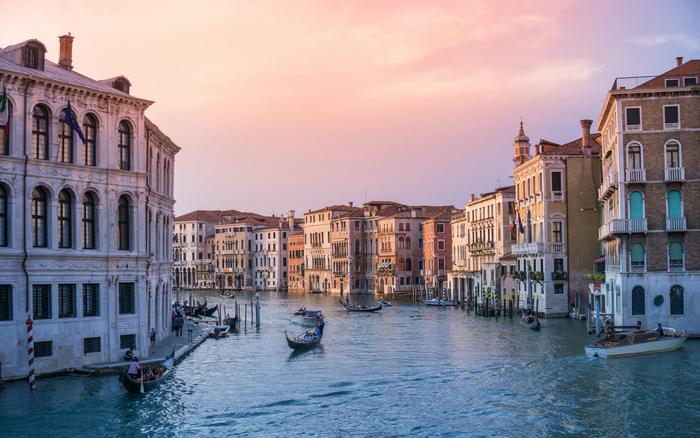
Italy
The benchmark for food, history, and beauty.
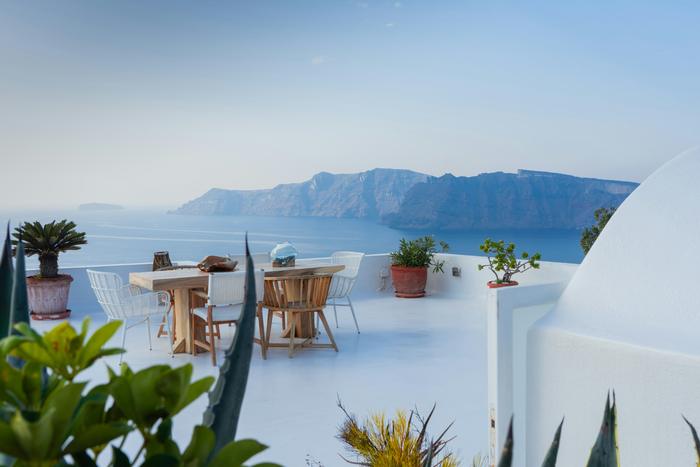
Greece
Ruins in the morning, a swim by noon, taverna until dark.
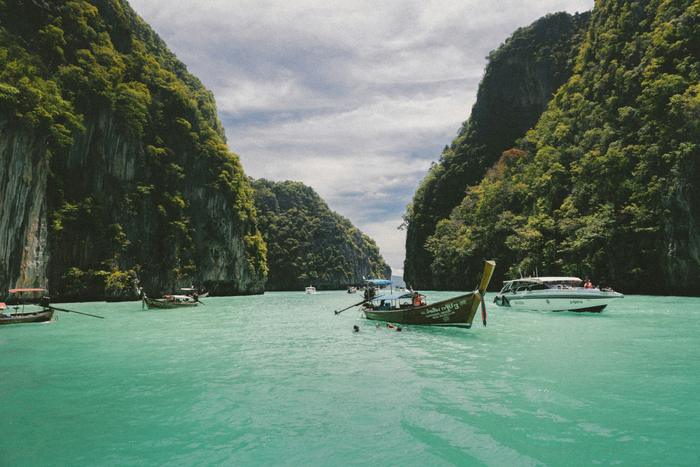
Thailand
The complete package for warm-climate travel.

Australia
Vast, varied, relaxed. Reef, Sydney, and proper wilderness in one.
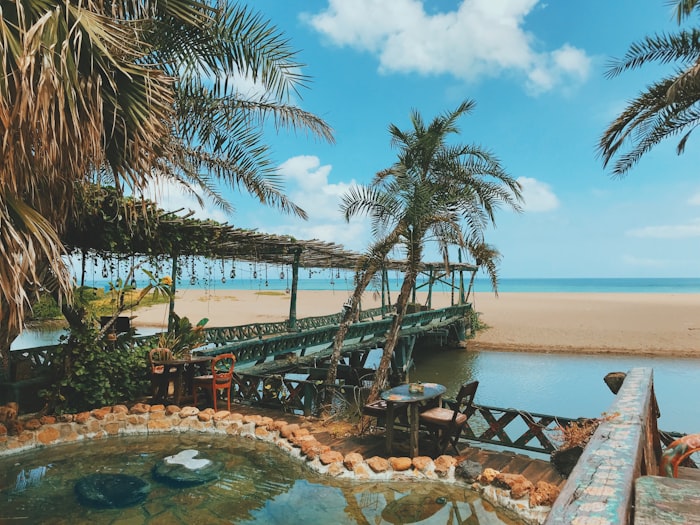
Bali, Indonesia
Warm, affordable, endlessly deep — beach, wellness, and culture in one place.
Not sure where to go
Take the 5-minute quiz
Answer a few honest questions and get matched to destinations that actually fit how you travel.
Start the quiz