Taiwan
Best street food in the world, dramatic gorges, deeply welcoming culture.
Taiwan is one of Asia's most underrated destinations. Taipei has the cleanest streets, friendliest people, and best night markets in the region. Get out of the city and you find marble gorges, mountain hot springs, and a high-speed rail that makes the whole island accessible in days.
Base in Taipei and work outward: Raohe and Ningxia night markets after dark, Beitou hot springs and Yangmingshan trails by day, then the high-speed rail south — Tainan for the old capital and its snack culture, Kaohsiung for the harbour. The east coast around Hualien and Taitung is the wild side, all cliffs and Pacific. Food is the budget's best friend; a full night-market dinner costs less than a sandwich back home, and beef noodle soup alone justifies a flight.
The honest list: summer is a steam bath with typhoons from June to October, English gets thin fast outside Taipei, and the cities themselves are grey and functional — you come for what happens in them, not how they look. Taroko Gorge is still recovering from the 2024 earthquake, so check what's actually open before building a trip around it. If you need beaches or grand architecture, look elsewhere. The welcome and the food cover everything else.
Highlights
-
Taipei
Night markets, hot springs, hipster cafes, and the warmest welcome.
-
Taroko Gorge
Marble cliffs above a jade river — earthquake damage means checking what's open first.
-
Tainan
The food capital — historic city with the best snacks.
-
Sun Moon Lake
Aboriginal culture and tea farms in the central highlands.
Practical info
- Visa
- Visa-free for most Western passports (90 days). Verify before travel.
- Currency
- TWD (New Taiwan Dollar). Roughly 32 TWD ≈ 1 USD.
- Language
- Mandarin. English limited but signage in Taipei is good.
- Safety
- Very safe. Typhoons June-October worth tracking.
- Getting around
- High-speed rail end-to-end. Metro in Taipei. EasyCard for everything.
- Tap water
- Tap water generally safe; locals often filter.
- Plug type
- Type A Type B 110V
- Money
- Cash for night markets and small shops; cards in cities.
General guidance — visas, safety, and health change, so check your government's travel advisory and the official sources before you go.
Common questions
- Do you need a visa for Taiwan?
- No — most Westerners get 90 days visa-free (UK and Canadian citizens can extend to 180). You do need to file the free Taiwan Arrival Card online within three days before arrival, and passports need six months’ validity (US and Japanese passports only need to cover the stay). Taiwan runs its own immigration entirely separate from mainland China; for tourists it’s a simple visa-free entry.
- When is the best time to visit Taiwan?
- October to December and March to April — after the typhoon and plum-rain seasons and before the summer heat. Summer (June–September) is hot, humid and typhoon-prone into October; May–June brings the plum rains. Northern Taipei is grey and damp January–March, so head south for winter warmth.
- Is Taroko Gorge open?
- Only partly. The April 2024 Hualien earthquake devastated Taroko, and much of the national park has stayed closed — some iconic trails need years of repair and one or two may never reopen. Highway 8 reopened on restricted hours, and a few sights around Tianxiang have come back, but treat Taroko as largely shut and check taroko.gov.tw before you build a trip around it.
- Do you need a car in Taiwan?
- Not for the cities or the west coast — the High Speed Rail links Taipei to Kaohsiung in about 100 minutes, and Taipei’s MRT with an EasyCard covers the capital. A car (with an International Driving Permit) helps for the east coast and the mountains, where trains and buses are thinner.
- Is Taiwan cheaper than Hong Kong?
- Yes, clearly — Taipei runs around 30% cheaper than Hong Kong excluding rent, and much cheaper on hotels. It’s one of Asia’s genuine value destinations: a night-market meal is a few US dollars, transport is cheap, and it’s a bigger, more varied trip. See our full comparison.
Getting around
A bullet train down one coast — and a broken gorge on the other
The west coast is a 300 km/h glide. The east coast has the island’s biggest scar.
The High Speed Rail is the spine: 300 km/h from Taipei to Kaohsiung in about 100 minutes, around NT$1,490 in standard class, with early-bird discounts. The conventional TRA trains loop the island and serve the scenic east coast that the bullet train doesn’t. In Taipei, the MRT plus an EasyCard — Taiwan’s tap-to-pay card, good on transit nationwide and in the ubiquitous convenience stores — is all you need; a car (with an International Driving Permit) earns its keep only for the east coast and the mountains.
The one hard planning fact is Taroko Gorge. The magnitude-7.4 Hualien earthquake of April 2024 devastated the marble canyon, and much of the national park has remained closed — some trails face years of repair and a few may never reopen. Highway 8 has reopened on restricted hours and the Tianxiang area is accessible, but the iconic gorge trails are largely shut, so verify the current open list at the park’s official site before planning around it. Taiwan is seismically active generally — that 2024 quake was its strongest in 25 years — with strict building codes and phone alerts; most tremors a visitor feels are minor.
The big sights
Night markets, a bullet-train museum, mountains and hot springs
A whole island’s worth of range — this is not a city break.
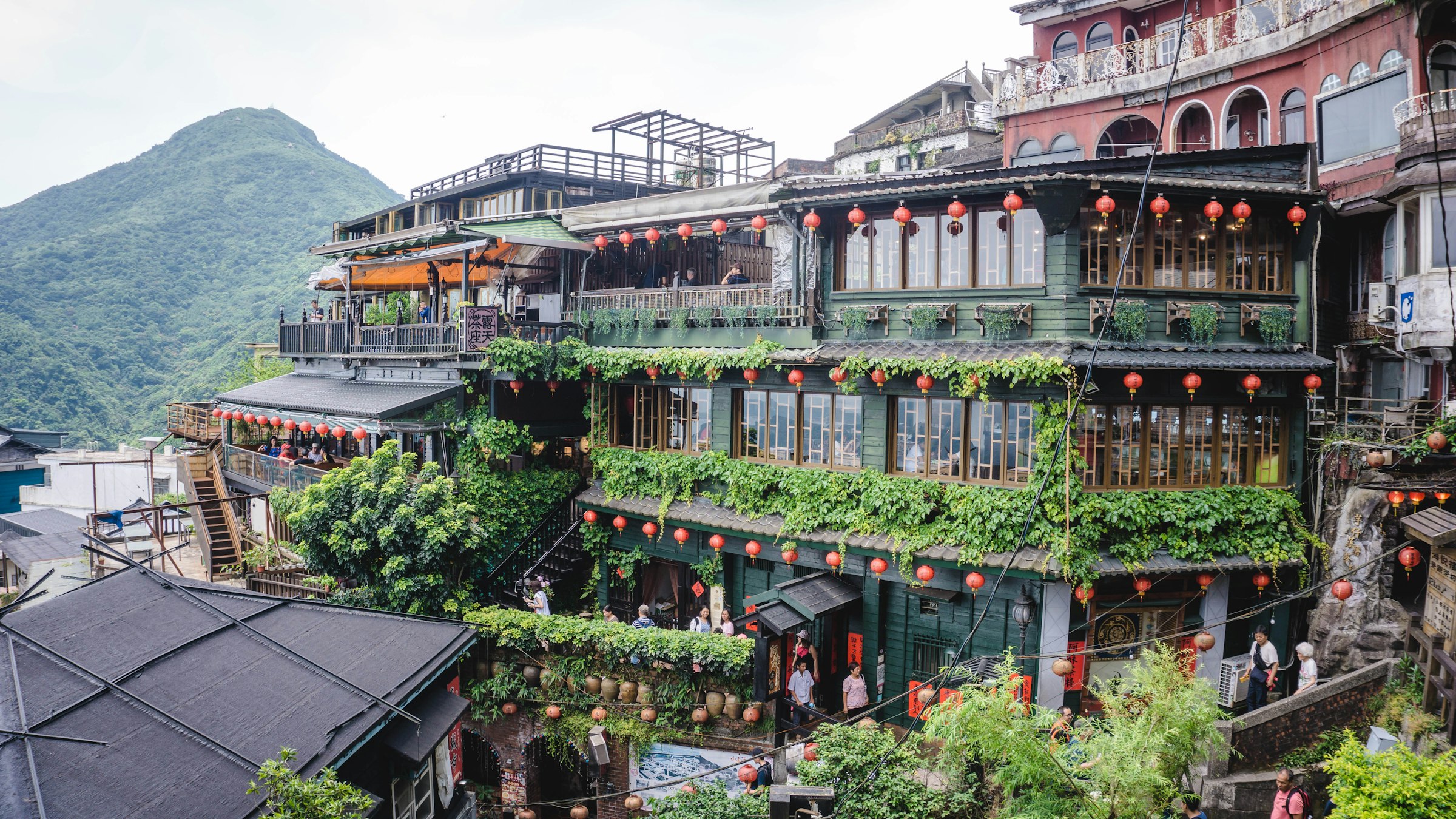
The capital anchors it: Taipei 101, briefly the world’s tallest, with an observatory near the top from around NT$600; the National Palace Museum and the world’s largest collection of Chinese imperial treasures (NT$350, no foreigner surcharge); and Beitou’s hot springs a short MRT ride out. Beyond Taipei the island opens up — Jiufen, the lantern-lit hillside old town; Sun Moon Lake and the tea-and-sunrise mountain resort of Alishan, whose narrow-gauge forest railway reopened in 2024 after fifteen years closed; the old capital Tainan for temples and food; and Kenting’s tropical beaches at the southern tip, where the sea stays swimmable year-round. It rewards a week or more, not a long weekend.
The food
The best night-market food anywhere
Half the reason to come — and two global staples were invented here.
The night markets — Shilin and Raohe in Taipei above all — are the defining experience: beef noodle soup, xiao long bao, stinky tofu, oyster omelettes and a hundred snacks at NT$30–100 each, an inexpensive full meal around NT$150. Two things the world eats came from here: Din Tai Fung, the soup-dumpling institution, was founded in Taipei in 1958, and bubble tea was invented in Taiwan in the 1980s (Taichung and Tainan tea houses both claim it). Eating well is cheap and central to the trip.
Good to know
US plugs, a 7-Eleven on every corner, friendly and safe
The practical footnotes — one of which genuinely surprises Asia veterans.
The plug is the surprise: Taiwan uses US-style Type A/B sockets at 110V, unlike Hong Kong and most of Asia, so US devices plug straight in while UK, EU and Australian travellers need an adapter and a voltage check. Mandarin is the language and English is modest — better in Taipei, thinner in the south — but the famous friendliness more than compensates. The New Taiwan Dollar is the currency; tap water is best boiled or bottled; tipping isn’t customary. And the convenience stores are a way of life — some 13,000 of them, one per 2,500 people — handling EasyCard top-ups, bill payments, parcel pickup and ATMs. Taiwan is also extremely safe, with very low crime.
Sources
Where this comes from
The detail above was read off primary sources on — operator timetables, municipal ordinances, regional tourism boards, national statistics offices and first-hand traveller reports, rather than other travel articles. Researched and maintained by Dmitrii Romashchin — how we research.
Compare Taiwan with
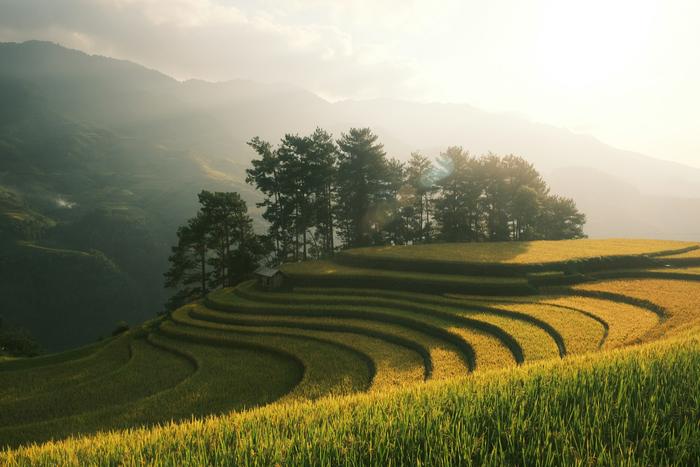
If you like Taiwan, also consider
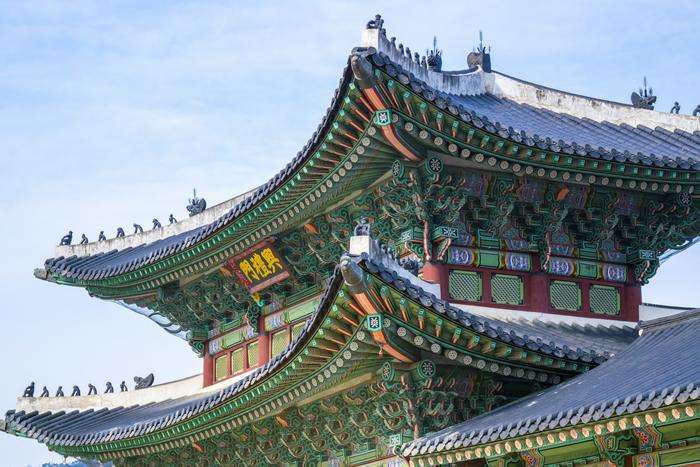
South Korea
Seoul alone justifies the flight — food, nightlife, and mountains inside the city.
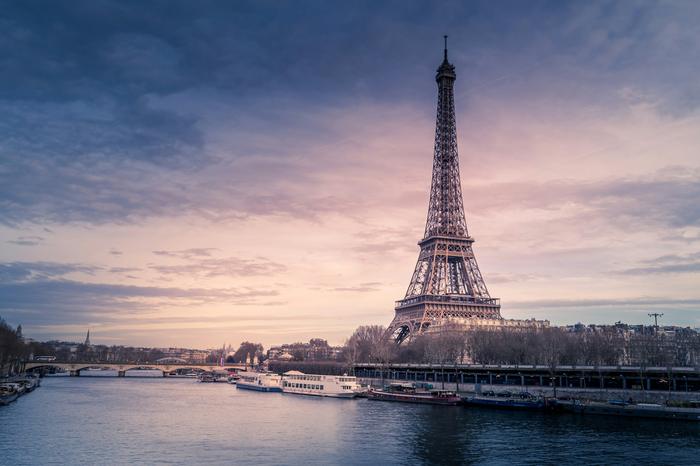
France
Paris is only the opening act — wine country, the Alps, and two coastlines.
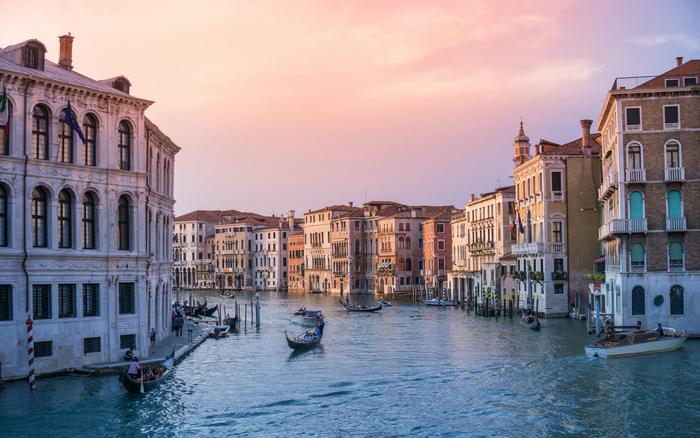
Italy
The benchmark for food, history, and beauty.
Mexico
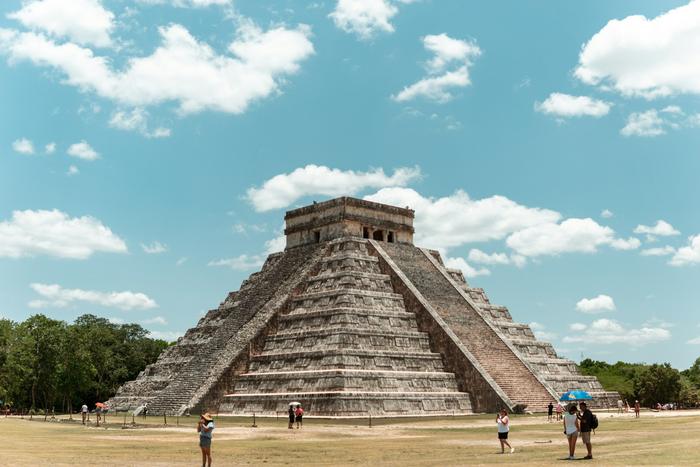
Mexico City is world-class. Add the coast, ruins, and food culture.
Not sure where to go
Take the 5-minute quiz
Answer a few honest questions and get matched to destinations that actually fit how you travel.
Start the quiz