Lombok
Bali’s quieter neighbour — the same warm sea and volcano drama, with a fraction of the crowds.
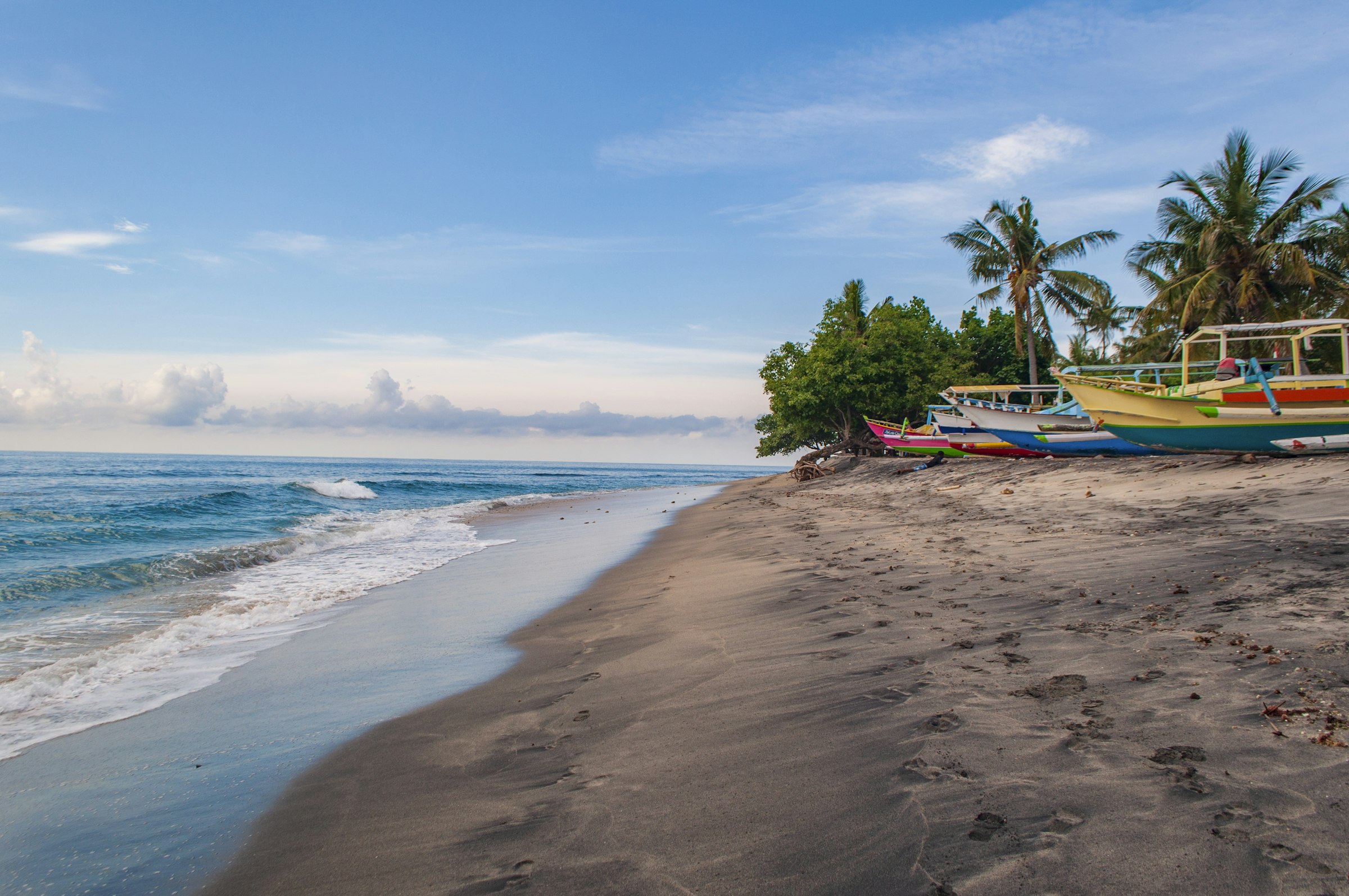
Lombok is the island just east of Bali, and it's what a lot of people wish Bali still felt like: emptier white beaches, warm turquoise water, a big active volcano to climb, and a slower, more traditional Sasak culture. Just offshore sit the Gili Islands — three tiny, car-free sandbars that are the region's easy-going snorkelling-and-hammock escape. It's the low-key, better-value version of the trip most people take to Bali.
The Gili Islands are the gateway for most: Gili Trawangan for a bit of a party, Gili Air for the sweet spot of calm-plus-life, and Gili Meno for near-total quiet — all car-free, ringed by reef and turtles, and a short boat from Bali. On the main island, the south around Kuta Lombok is a run of stunning, still-uncrowded white-sand bays and world-class surf that Bali's south lost to development years ago. Looming over everything is Mount Rinjani, Indonesia's second-highest volcano — a tough two-to-three-day trek to a crater lake and a sunrise summit that's one of the great hikes in Southeast Asia. Inland there are Sasak villages, rice terraces, and waterfalls like Tiu Kelep.
The honest part: Lombok is less developed than Bali, and that cuts both ways — fewer world-class restaurants and less polish, rougher roads, and a more conservative, mostly Muslim culture to be mindful of away from the tourist strips. The Gilis have no motorised transport (or police), and their popularity means Trawangan in particular can get busy and boozy. The wet season (roughly November to March) closes the Rinjani trek and muddies the trails. Come in the dry season, and you get Bali's best bits — sea, surf, and volcano — with more room to breathe and lower prices.
Highlights
-
The Gili Islands
Three car-free islands off the northwest coast — turtles, reef, and hammocks, from party (Trawangan) to silent (Meno).
-
Mount Rinjani
Indonesia’s second-highest volcano — a demanding multi-day trek to a crater lake and a sunrise summit.
-
Kuta Lombok
The south coast: empty white-sand bays and world-class surf, still low-key where Bali’s got built out.
-
Sasak villages
Traditional thatched hamlets and weaving villages inland — the island’s distinct Indigenous culture.
-
Waterfalls
Jungle falls like Tiu Kelep and Sendang Gile on Rinjani’s green northern slopes.
-
Pink Beach
A pale-pink-sand cove in the remote southeast, reached by boat or a rough drive.
Practical info
- Visa
- Visa on arrival / e-visa for most Western passports (30 days, extendable). Verify before travel.
- Currency
- Indonesian Rupiah (IDR).
- Language
- Indonesian and Sasak; English in tourist areas.
- Safety
- Generally safe; dress modestly away from the beaches, and use reputable operators for the Gili fast boats and Rinjani trek.
- Getting around
- Fast boats link Bali and the Gilis; hire a car/driver or scooter on the main island.
- Tap water
- Drink bottled or filtered water.
- Plug type
- Type C Type F 230V
- Money
- Cash-based; ATMs in towns, little card acceptance on the Gilis.
General guidance — visas, safety, and health change, so check your government's travel advisory and the official sources before you go.
Common questions
- When is the best time to visit Lombok?
- Lombok is at its best in April–September. It's best to avoid February.
- How many days do you need in Lombok?
- Most trips run about 1 week, depending on how much ground you want to cover.
- Is Lombok expensive?
- Plan for backpacker – budget daily spend, depending on how you travel.
- Is Lombok safe for travelers?
- Generally safe; dress modestly away from the beaches, and use reputable operators for the Gili fast boats and Rinjani trek.
- Do you need a visa for Lombok?
- Visa on arrival / e-visa for most Western passports (30 days, extendable). Verify before travel.
Compare Lombok with
If you like Lombok, also consider
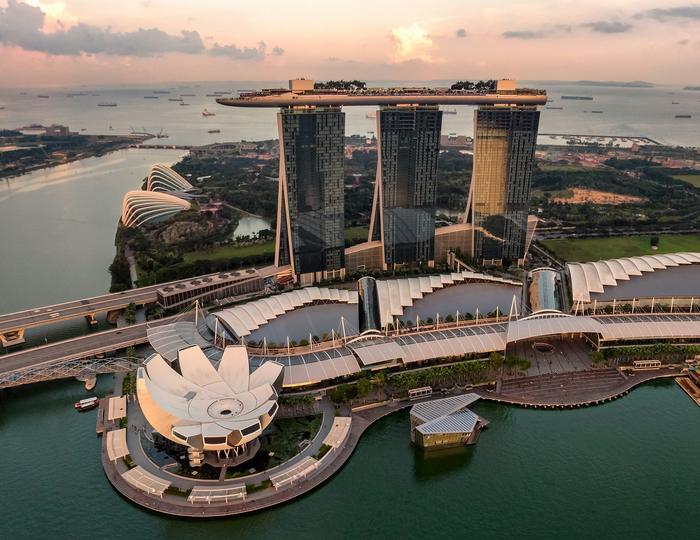
Singapore
The best two days you can spend between flights — or on their own.
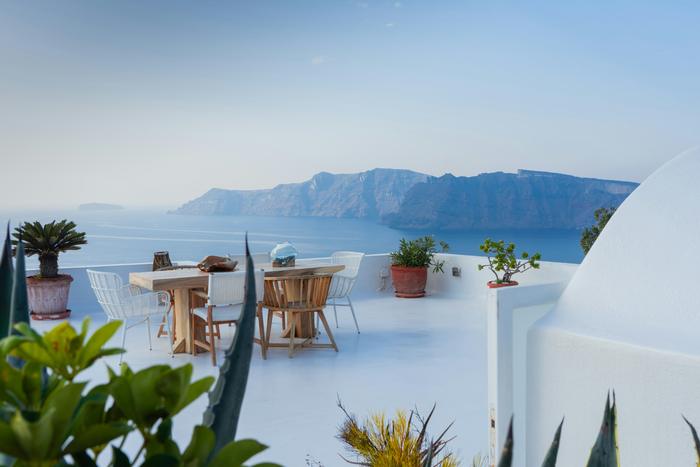
Greece
Ruins in the morning, a swim by noon, taverna until dark.
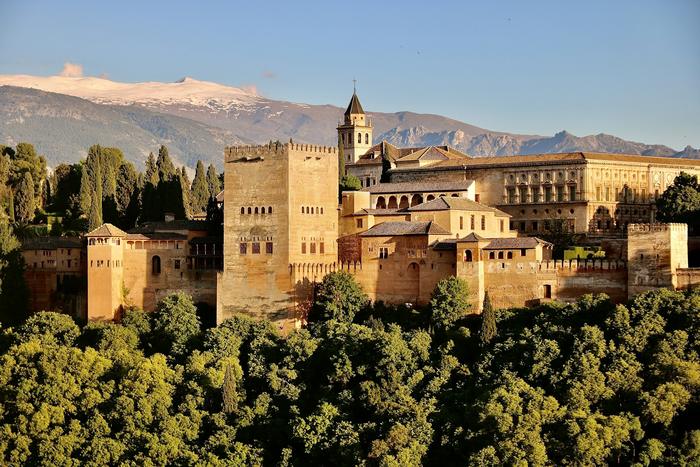
Spain
Food, beaches, and three or four cities that each justify the trip.
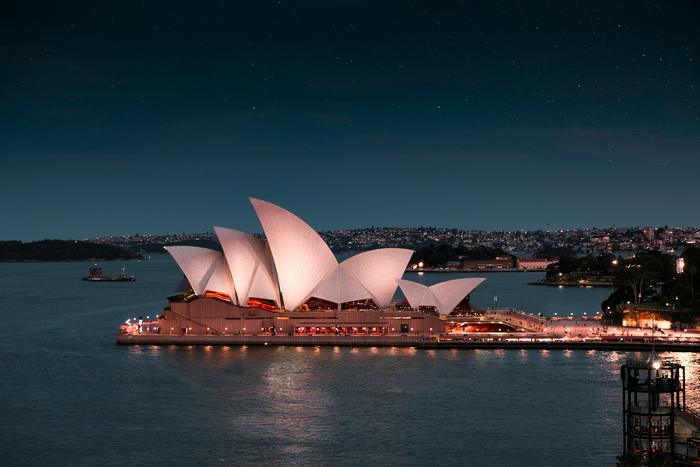
Australia
Vast, varied, relaxed. Reef, Sydney, and proper wilderness in one.
Not sure where to go
Take the 5-minute quiz
Answer a few honest questions and get matched to destinations that actually fit how you travel.
Start the quiz