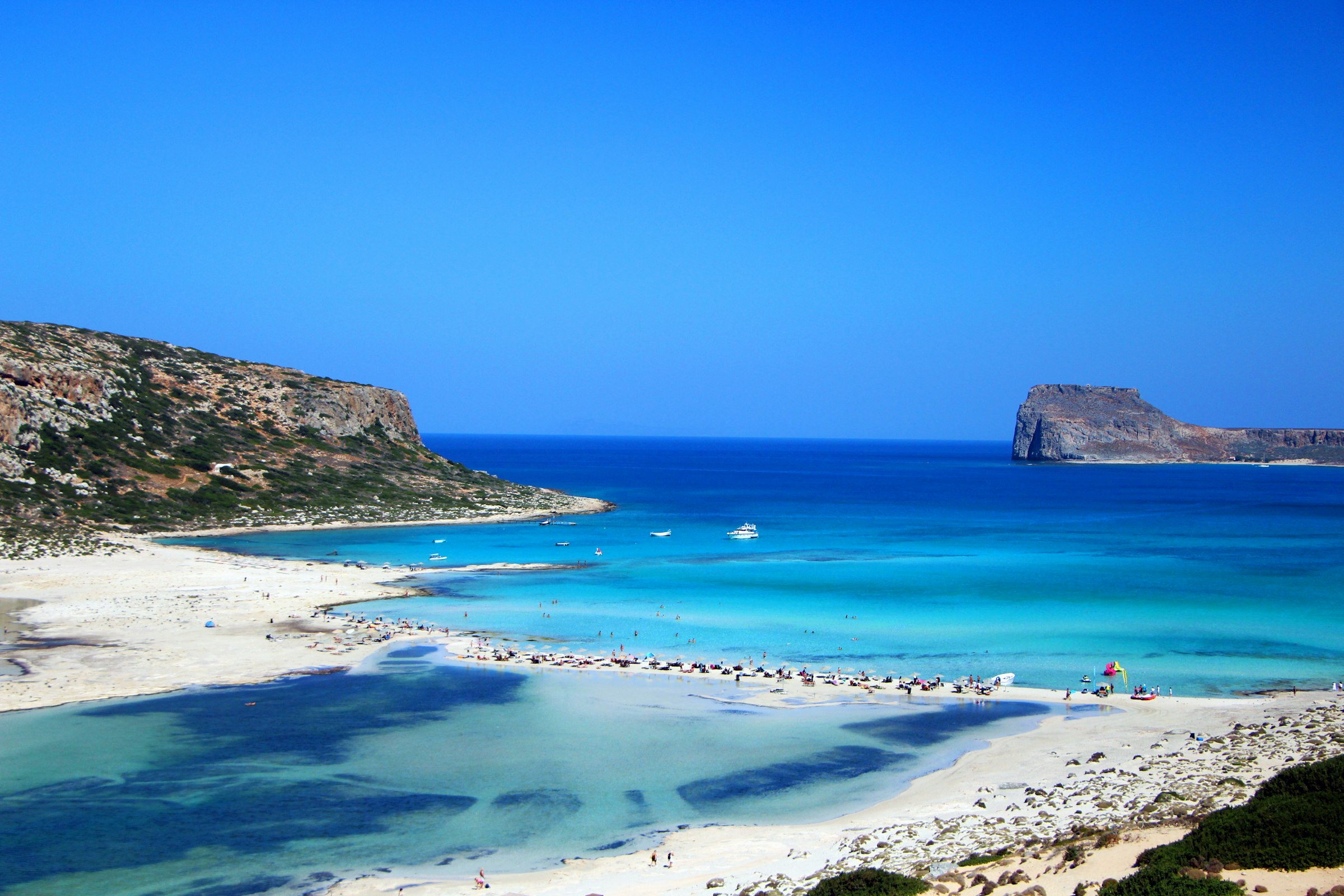
Crete
A country-sized Greek island — Europe’s oldest civilisation, pink-sand lagoons, and a mountainous wild south.
Crete is big enough to be its own trip: the largest Greek island, with a Venetian-harbour old town, the palace of Europe's first great civilisation, a proper mountain range, and a coastline that runs from pink-sand lagoons to gorges that spill hikers out onto the sea. It has the beaches and the history you'd want from Greece, plus a fierce local identity, superb food, and enough space that it never feels like just a resort.
The northwest is the prettiest base: Chania's Venetian harbour and lanes are the most atmospheric town on the island, and from there you can reach the west-coast lagoons — Elafonisi and Balos, shallow, pink-tinged, and dazzling (arrive early). The Samaria Gorge, a 16-kilometre walk down through a national park to the Libyan Sea, is the island's great hike. History runs deep: Knossos, near Heraklion, is the labyrinthine palace of the Bronze Age Minoans, Europe's oldest civilisation, with the finds in Heraklion's excellent museum. Inland, the mountains hide old villages, gorges, and the long-life, olive-oil-soaked Cretan diet that's a cuisine in its own right. The wilder south coast is where you go to escape the crowds entirely.
The honest part: Crete is huge, so distances are real — you can't 'do' it from one base, and driving between the highlights eats time. The famous lagoon beaches are stunning but no secret; in July and August they and the north-coast resort strips get packed and hot. Some of that north coast is package-tourism sprawl best skipped. But rent a car, split your time between Chania, the south, and the mountains, come in the shoulder months, and Crete gives you more variety than any other Greek island.
Highlights
-
Chania old town
A Venetian harbour and a maze of lanes — the most atmospheric town on the island, and the best base for the west.
-
Elafonisi & Balos
Shallow, pink-tinged lagoon beaches on the west coast — dazzling, and best reached early.
-
Samaria Gorge
A 16km walk down through a national park to the Libyan Sea — Crete’s classic hike.
-
Knossos
The labyrinthine palace of the Minoans, Europe’s oldest civilisation, near Heraklion.
-
The wild south coast
Remote coves and end-of-the-road villages like Loutro, reached on foot or by boat — the place to escape the crowds.
-
Cretan food
Olive oil, wild greens, cheeses, and raki — one of the healthiest and most distinctive kitchens in the Mediterranean.
Practical info
- Visa
- Schengen — visa-free for most Western passports (90 days).
- Currency
- EUR (€)
- Language
- Greek; English widely spoken in tourism.
- Safety
- Very safe; take care on mountain roads and in the gorge.
- Getting around
- Rent a car — the island is too big and spread out for buses alone.
- Tap water
- Tap water safe in mainland; bottled on smaller islands.
- Plug type
- Type C Type F 230V
- Money
- Cards widely accepted; carry cash for tavernas and villages.
General guidance — visas, safety, and health change, so check your government's travel advisory and the official sources before you go.
Common questions
- How long do you need in Crete?
- More than people think. Crete is Greece’s largest island — about 260 km end to end — so it’s a region, not a beach stop: the gorges, the best beaches and the whole south coast are far apart. A week is the realistic minimum, and you genuinely need a car, because the buses miss almost everything worth seeing.
- When is the best time to visit Crete?
- May–June and September–October — warm, with one of Greece’s longest swimming seasons (roughly May to November). July–August is hot. Unusually for a Greek island, Crete stays open and lived-in year-round rather than shutting down in winter, and its mountains hold snow into spring. The sheltered south coast stays swimmable a few weeks longer than the windier north.
- Do you need a car in Crete?
- Yes. Buses (KTEL) run well along the north-coast towns — Heraklion to Chania is about two hours — but they don’t usefully reach the beaches, gorges or the south; Chania to Elafonisi, for instance, is one bus a day. The best sights need a car, and a couple (Balos especially) need a rough gravel road or a boat.
- How does the Samaria Gorge hike work?
- It’s a committed full day. The 16 km walk runs one-way and downhill from the Omalos plateau (1,250 m) to the Libyan Sea, 5–7 hours, open roughly 1 May to 31 October — and there’s no road out of Agia Roumeli at the bottom, so you must take a ferry to Chora Sfakion or Sougia and a bus back. Plan the bus-out, hike, ferry, bus-back chain in advance.
- Is Crete cheaper than Mallorca?
- Yes — both are eurozone, but Crete is noticeably cheaper for everyday eating (a taverna main €8–15 against €20–30 in Mallorca) and less polished and upmarket. Car hire is similar. The Cretan interior — agrotourism and mountain villages — has a strong budget tier Mallorca largely lacks. See our full comparison.
Its own trip
This is a country-sized island, not a beach stop
The first thing to grasp: Crete is 260 km long, and the highlights are nowhere near each other.
At 8,336 km² Crete is Greece’s largest island and the fifth-largest in the Mediterranean, about 260 km west to east — you cannot see it in a few days, and the marquee sights (the gorges, the best beaches, the south coast) are hours apart. It’s also genuinely lived-in, with some 624,000 residents and two international airports (Heraklion, Greece’s second-busiest, and Chania), which is why it stays open year-round where the small Cycladic islands shut down each winter. A new airport at Kastelli is under construction to replace Heraklion’s, targeted for around 2027. Treat Crete as a region with several bases, not a single beach resort — and budget a week at least.
The big sights
A Minoan palace, a great gorge, and famous beaches
The headline sights reward planning — one for the crowds, one for the logistics, two for the access.
Knossos, the Minoan palace 5 km from Heraklion, is Crete’s most-visited site (€20, go at opening) — but note two things: the actual frescoes are in the separate Heraklion Archaeological Museum (its own €20 ticket now, no longer combined), and much of what you photograph is Arthur Evans’s heavily reconstructed concrete, not excavated fabric. The Samaria Gorge is the great hike — 16 km one-way to the sea, a full committed day around the ferry-and-bus logistics (see the FAQ).
The beaches are the other draw, and the two most famous test your access. Elafonisi’s pink sand is now a protected Natura reserve — no cars on the sand, paid parking and a walk, and it’s mobbed by late morning, so arrive before 10. Balos lagoon needs either a boat from Kissamos or 8 km of rough gravel that defeats ordinary rental cars. Gentler options — Vai’s palm beach, Preveli — are easier. And the Venetian old towns of Chania and Rethymno are the showpiece bases, with Spinalonga’s fortress island in the east.
The food
The original Mediterranean diet
Cretan cooking is distinct from mainland Greece — and famously good for you.
The Cretan diet is the archetype the whole “Mediterranean diet” was modelled on — heavy olive oil, wild greens, pulses, barley rusks and little red meat, credited with the island’s famous longevity. The dishes to know are dakos (a barley rusk topped with tomato, soft mizithra cheese and oil) and raki (tsikoudia), the grape-pomace spirit that’s central to Cretan hospitality and appears, unbidden, at the end of most meals. It’s cheap, generous, and genuinely different from Athens — and Crete is the European Region of Gastronomy for 2026.
Good to know
Drinkable tap water, and live EU borders
The practical footnotes — including one that sets Crete apart from most Greek islands.
Crete is Schengen and eurozone, same rules as the mainland: the EU’s biometric Entry/Exit System is now in force (fingerprint-and-photo on arrival), while the separate ETIAS authorisation has slipped and isn’t required for a 2026 trip. Ferries run from Athens’ port of Piraeus year-round, mostly overnight (about 9 hours, cabins from ~€59). One nice difference from most Greek islands: Crete’s tap water is generally drinkable — best in the west around Chania and Rethymno, harder and more mineral in Heraklion and the east, where many still prefer bottled. English is widely spoken in tourism, and the pace is relaxed, with dinner from about 9pm.
Sources
Where this comes from
The detail above was read off primary sources on — operator timetables, municipal ordinances, regional tourism boards, national statistics offices and first-hand traveller reports, rather than other travel articles. Researched and maintained by Dmitrii Romashchin — how we research.
Compare Crete with
If you like Crete, also consider
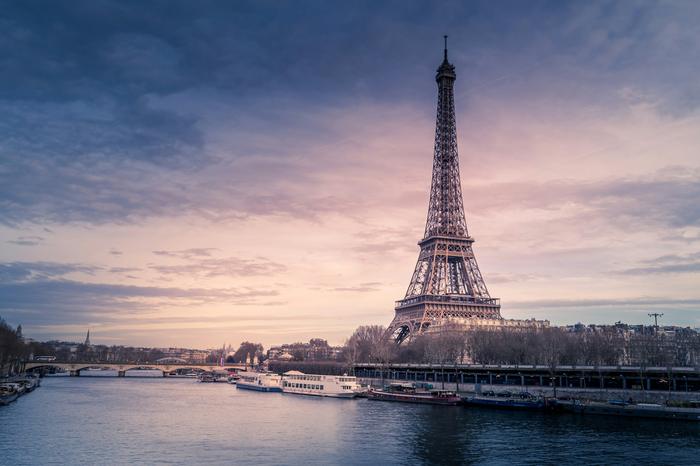
France
Paris is only the opening act — wine country, the Alps, and two coastlines.
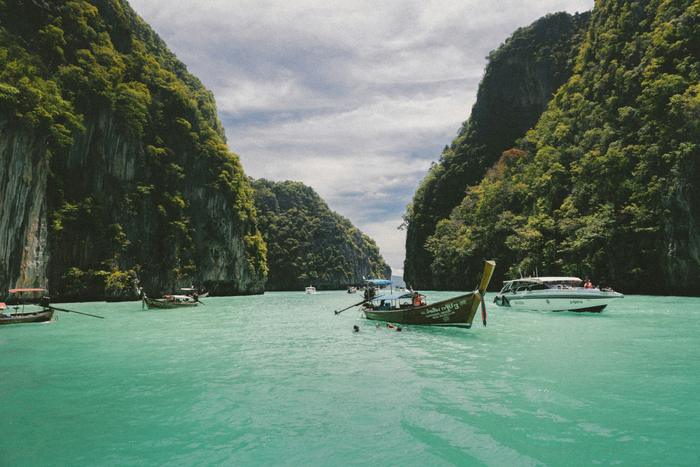
Thailand
The complete package for warm-climate travel.
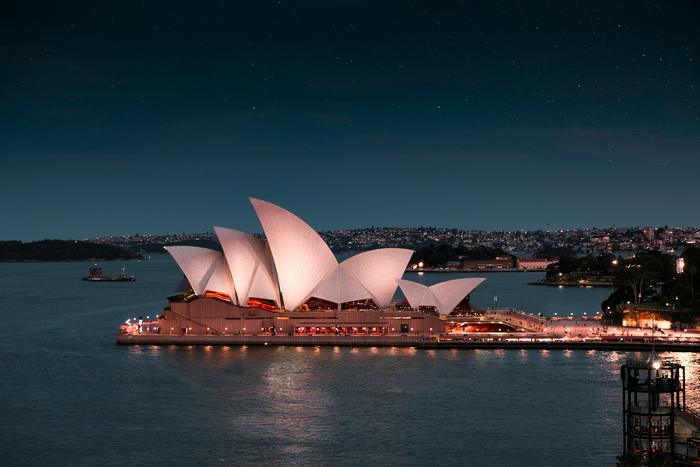
Australia
Vast, varied, relaxed. Reef, Sydney, and proper wilderness in one.
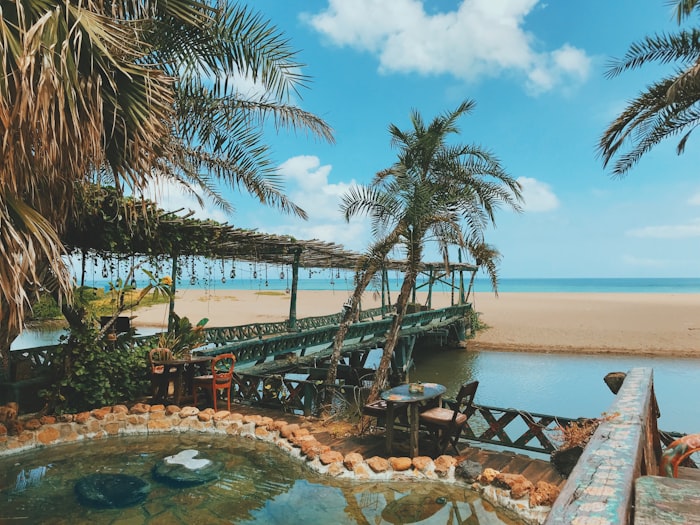
Bali, Indonesia
Warm, affordable, endlessly deep — beach, wellness, and culture in one place.
Not sure where to go
Take the 5-minute quiz
Answer a few honest questions and get matched to destinations that actually fit how you travel.
Start the quiz